In one line
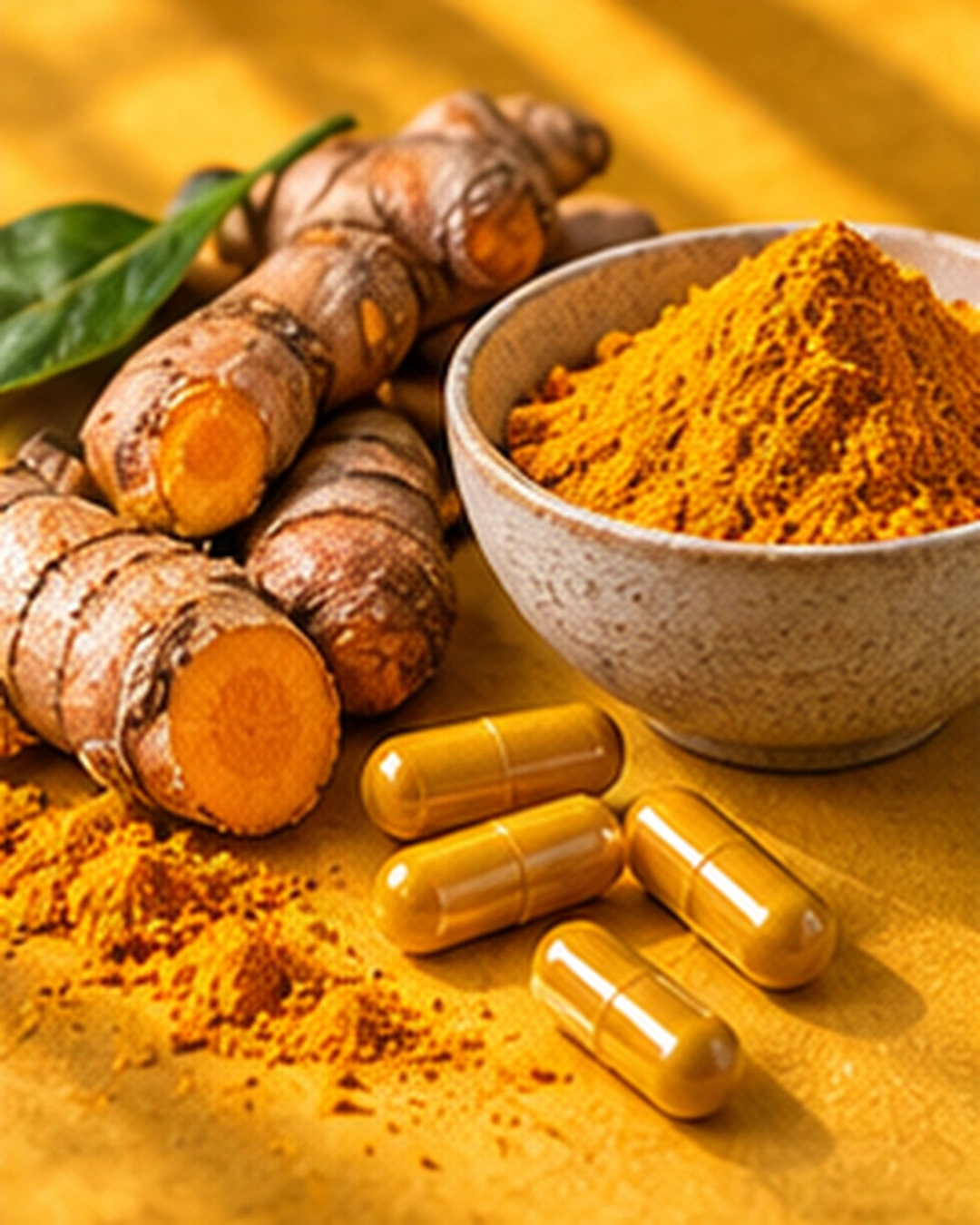
Curcumin is the substance in the underground stem of turmeric, a plant in the ginger family, that makes turmeric and curry yellow.
What is curcumin (turmeric)?
The yellow in curry, the name on supplement tubs
Turmeric is the spice that makes curry yellow, and 'curcumin' is a name often seen on joint and pain supplement labels. This post explains how the two are related, how supplements differ from food, and the liver injuries that have been reported.
In one line
The substance that makes turmeric yellow
Turmeric is a plant in the same family as ginger, and its underground stem is ground into a yellow powder used as a spice. Curcumin is the substance that makes turmeric yellow.
What plant is turmeric?
A ginger-family plant native to India
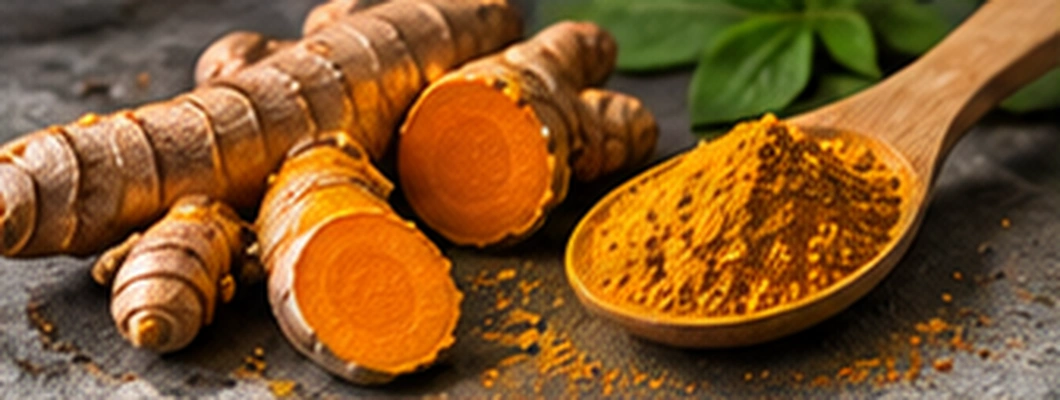
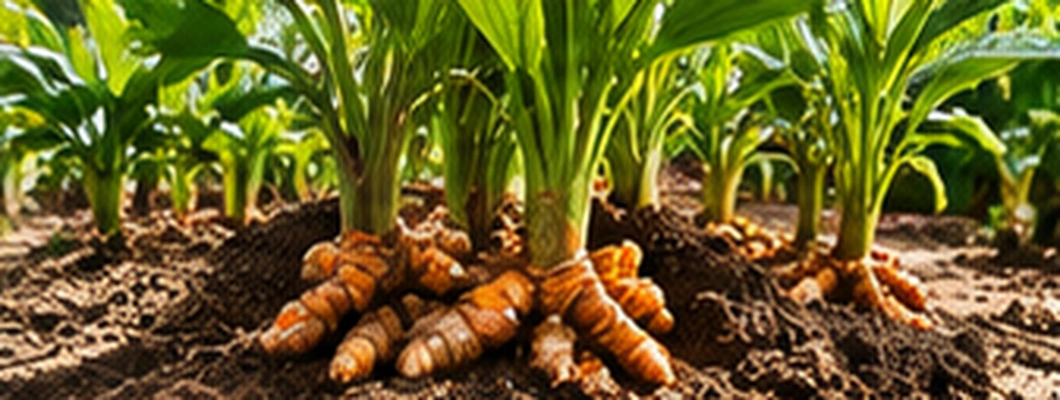
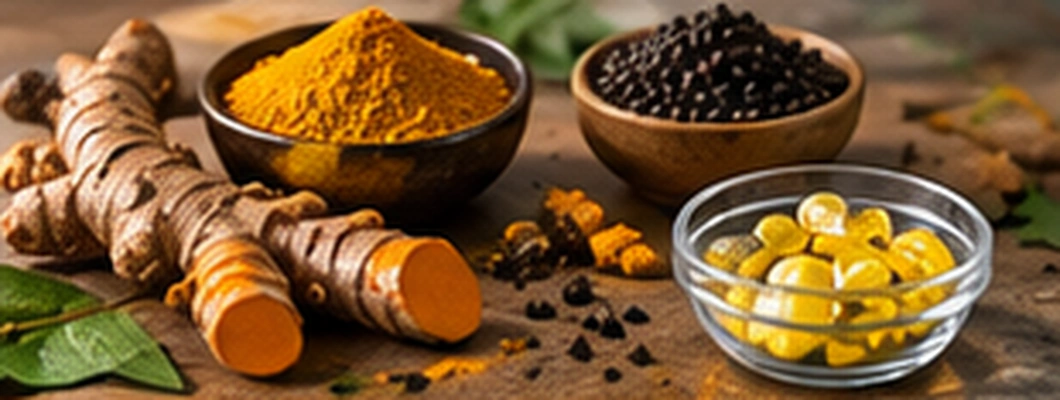
Turmeric is a perennial plant in the ginger family, native to India. Like ginger, it has a thick stem underground, called a 'rhizome'. Spices and supplements use this rhizome.
Why curry is yellow
About 3% of turmeric powder is curcumin
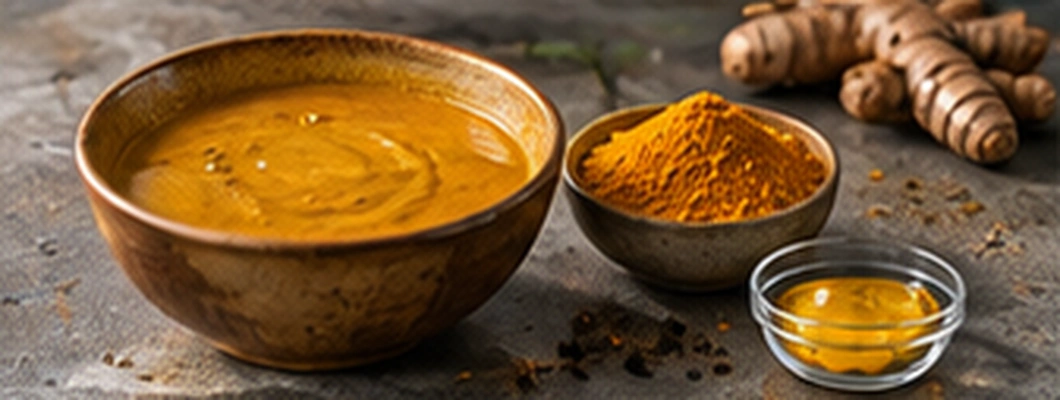
Curry powder contains turmeric, and the yellow color comes from curcumin. When pure turmeric powder was measured, about 3% of its weight was curcumin. That means about 3 g of curcumin in 100 g of turmeric powder.
Curcuminoids
A group of similar yellow substances
Turmeric has two more yellow substances that look like curcumin. The three together are called 'curcuminoids'. Curcumin is the most plentiful of the three.
Supplements are extracts
Only the yellow substances, collected
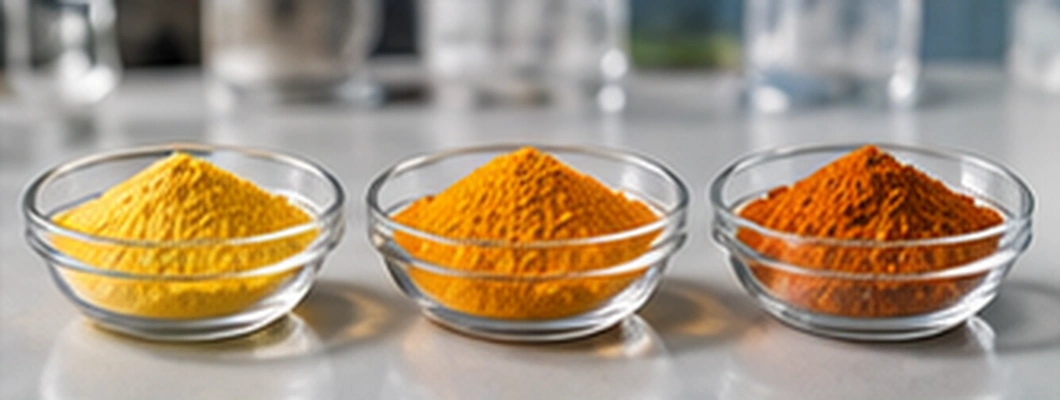
Turmeric supplements are usually not turmeric powder but an 'extract'. An extract is made by dissolving out and collecting only the wanted substances from a plant. So it holds far more curcuminoids than the powder, and some products concentrate them up to 95%.
It barely gets into the body
After eating it, little showed up in blood
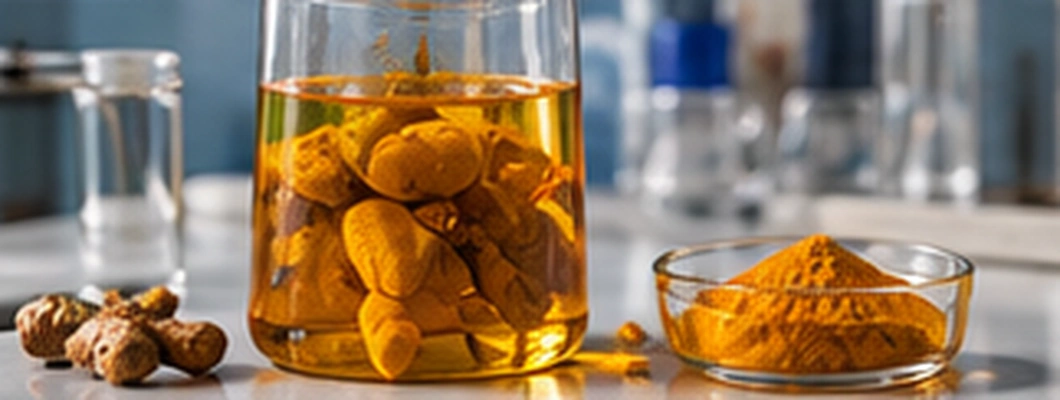
When nutrients pass from the gut into the blood, it is called 'absorption'. Curcumin is poorly absorbed. It is quickly changed into other substances in the gut and liver, so in people who took curcumin alone, it was barely found in the blood or found only in very small amounts.
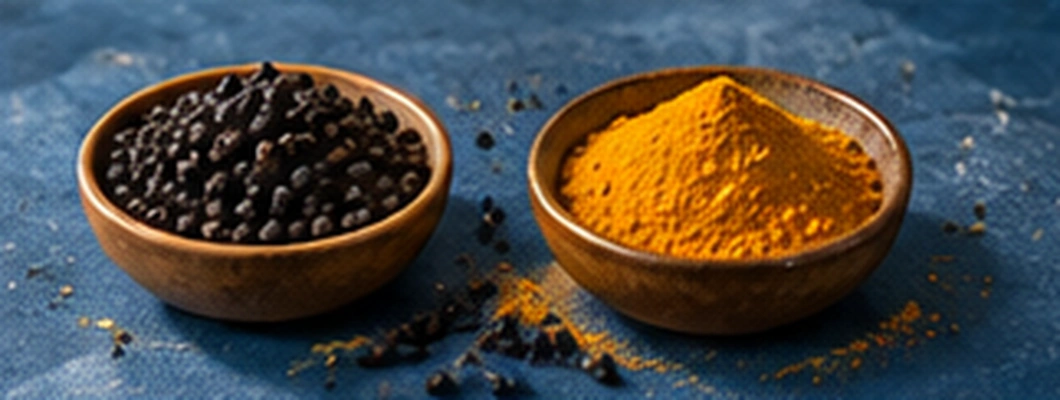
Piperine from black pepper
Taken together, absorption rose about 20 times
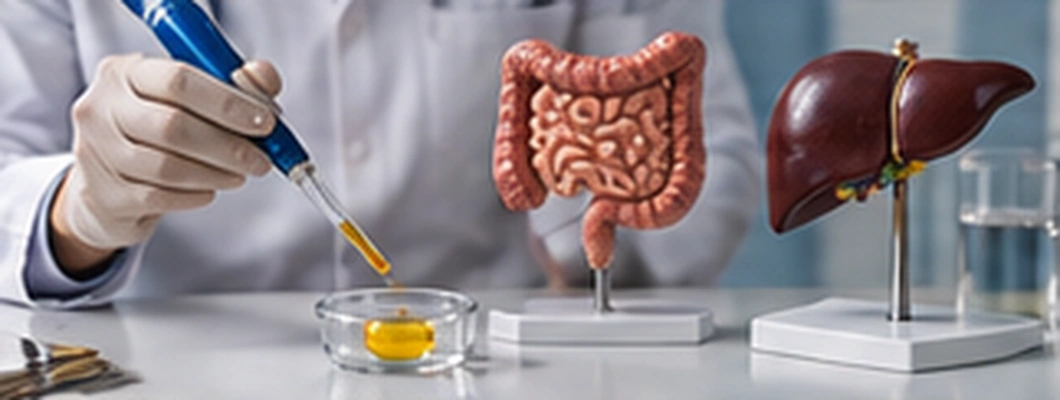
Black pepper contains a substance called 'piperine'. When curcumin was taken with piperine, curcumin in the blood rose about 20 times. That is why many turmeric supplements today add piperine or use other ways to raise absorption.
Common side effects
Nausea, diarrhea and other stomach trouble
The US National Institutes of Health lists nausea and vomiting, acid reflux, upset stomach, and diarrhea or constipation as side effects of turmeric. It considers ordinary turmeric or curcumin, not made for better absorption, likely safe in recommended amounts for up to 2 to 3 months.

Liver injury cases
Jaundice appeared 1 to 4 months after starting
Although rare, liver injury after taking turmeric or curcumin supplements has been reported in the US, Italy and elsewhere. It usually appeared 1 to 4 months after starting, with 'jaundice' (yellowing of the skin and eyes), nausea and belly pain. Most people recovered quickly after stopping, but one person died when the liver suddenly stopped working.

Common misconception
It's a curry spice, so supplements are safe too?
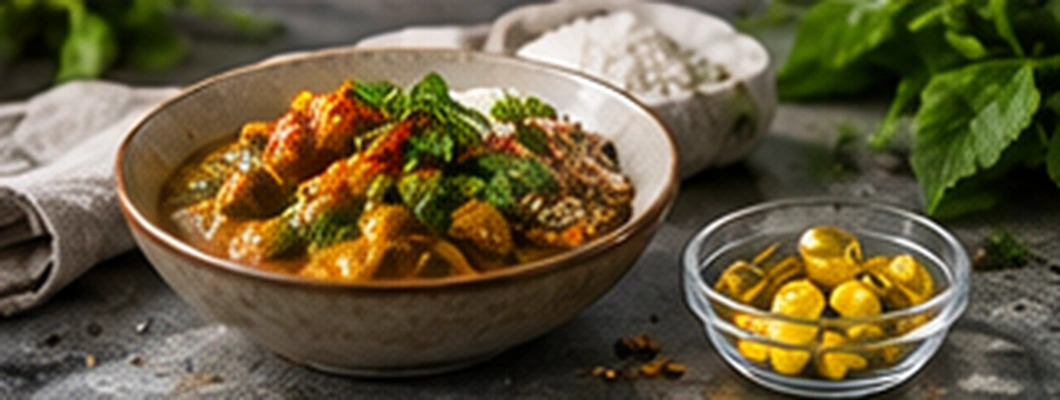
No. All of these liver injury cases came from supplements, not food. The Italian cases all came from products with a lot of curcumin and boosted absorption. The US National Institutes of Health also notes that liver injury has been reported in people who took products made for better absorption. Still, among the US case products that were tested, fewer than half contained piperine.
Summary
Turmeric's yellow substance; judge supplements separately
Curcumin is the substance that makes turmeric, a ginger-family plant, yellow. Because it is poorly absorbed, supplements concentrate it and boost its absorption. Unlike turmeric in food, rare cases of liver injury have been reported after taking such supplements. Related terms: curcuminoids, piperine, absorption.
The more you know, the more you grow.PHYSIQUE NEWS