In one line
Ketones are a backup fuel that the liver makes from fat when the body is short of glucose, and that is used in place of glucose.
What are ketones?
A word you hear in every keto and fasting talk
When people talk about low-carb, high-fat diets or fasting, you hear phrases like 'making ketones' or 'getting into ketosis.' Some people even check ketones with urine test strips. So what exactly are ketones, and what do they do in the body?
In short
A backup fuel for when glucose runs low
Ketones are a fuel that the liver makes from fat and releases into the blood when the body is short of glucose. The brain, heart, and muscles take up this fuel and use it for energy. Their formal name is 'ketone bodies.'
Background: glucose
The body's main everyday fuel
Carbohydrates such as rice, bread, and fruit are turned into 'glucose' in the body and enter the blood. The body's cells normally use this glucose as their main fuel. The brain in particular cannot store glucose, so it needs a steady supply from the blood.

How they are made
The liver turns fatty acids into ketones
When stored body fat is used as fuel, it is first split into small pieces called 'fatty acids.' When glucose runs low, lots of these fatty acids flow into the liver, and the liver turns them into ketones and releases them into the blood. Yet the liver itself cannot use ketones as fuel.

Three ketones
BHB is the main one in the blood
'Ketones' is not one substance but a name for three: acetoacetate, beta-hydroxybutyrate (BHB for short), and acetone. BHB is the most plentiful in the blood. Acetone is the smallest share and leaves the body through the breath and urine.
The switch: insulin
Ketones rise only when insulin is low
A 'hormone' is a substance that travels in the blood and carries signals around the body. Insulin is a hormone released when eating carbohydrates raises blood glucose; it moves glucose into cells and stops the body from pulling fat out of storage. So the liver makes lots of ketones only when insulin is low.

When they rise
Fasting, long exercise, cutting carbs
There are always a few ketones in the blood. They rise when you go a long time without eating, such as overnight while sleeping, after long hard exercise, or when you eat very few carbohydrates. This state of ketones building up in the blood is called 'ketosis.'

Backup fuel for the brain
About two-thirds of brain energy in long fasts
Ketones matter most for the brain. The brain uses fatty acids poorly as fuel, but it does use ketones. In people who fasted for several weeks, the brain got about two-thirds (2/3) of its energy from ketones. Thanks to ketones, the brain keeps working even when glucose runs short.

How they are measured
Blood meters read BHB, urine strips read acetoacetate
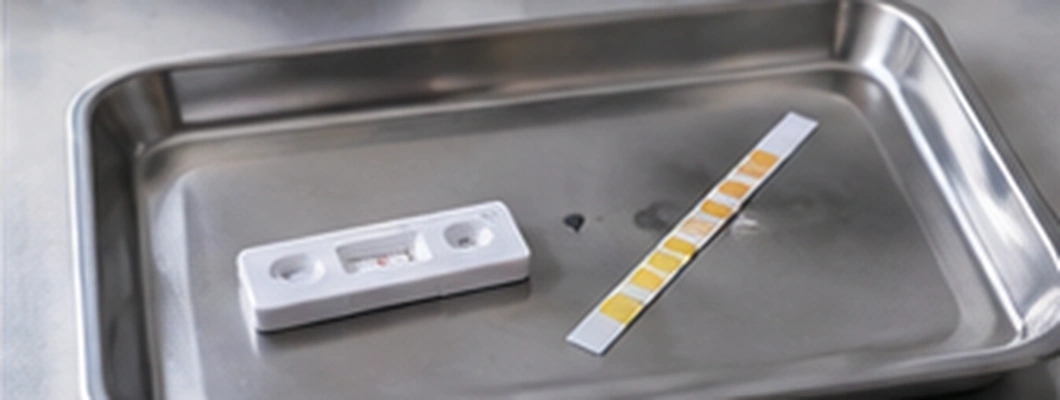
Ketones are measured with a meter that uses a drop of blood from a fingertip, or with urine test strips. A blood meter shows the amount of BHB, the most plentiful ketone in the blood, as a number. Urine strips pick up only acetoacetate and miss BHB, so they show only roughly whether ketones are high or low.
Ketoacidosis
A dangerous state where ketones make the blood acidic
Ketones are a type of acid. When they build up too fast, the blood becomes far too acidic; this is called 'ketoacidosis.' It is a life-threatening emergency and is most common in type 1 diabetes, where the body cannot make insulin.
Common myth
Is ketosis the same as dangerous ketoacidosis?
No. In a body that makes insulin normally, insulin puts the brakes on ketone production when ketones climb. So ketosis from diet stays at lower levels than ketoacidosis. Still, rare cases of ketoacidosis have been reported in people without diabetes who ate very few carbohydrates. Eating very few carbohydrates while breastfeeding a baby is one example.

Summary
A fat-based fuel used instead of glucose
Ketones are a backup fuel the liver makes from fat when glucose runs low, and sends to the brain, heart, and muscles. Ketosis from diet and dangerous ketoacidosis, which happens when there is almost no insulin, are different states, and ketoacidosis from diet is rare. Related terms: ketogenic (low-carb, high-fat) diet, insulin.
The more you know, the more you grow.PHYSIQUE NEWS