In one line
Meal frequency is the number of times a person eats in a day, counting both meals and snacks.
What is meal frequency?
What does 'six meals a day' actually count?
At the gym you often hear people say they eat 'six small meals a day'. Others eat only two meals a day. In nutrition, how many times a person eats in a day is called 'meal frequency'. What exactly does it count?

In one line
How many times you eat in a day
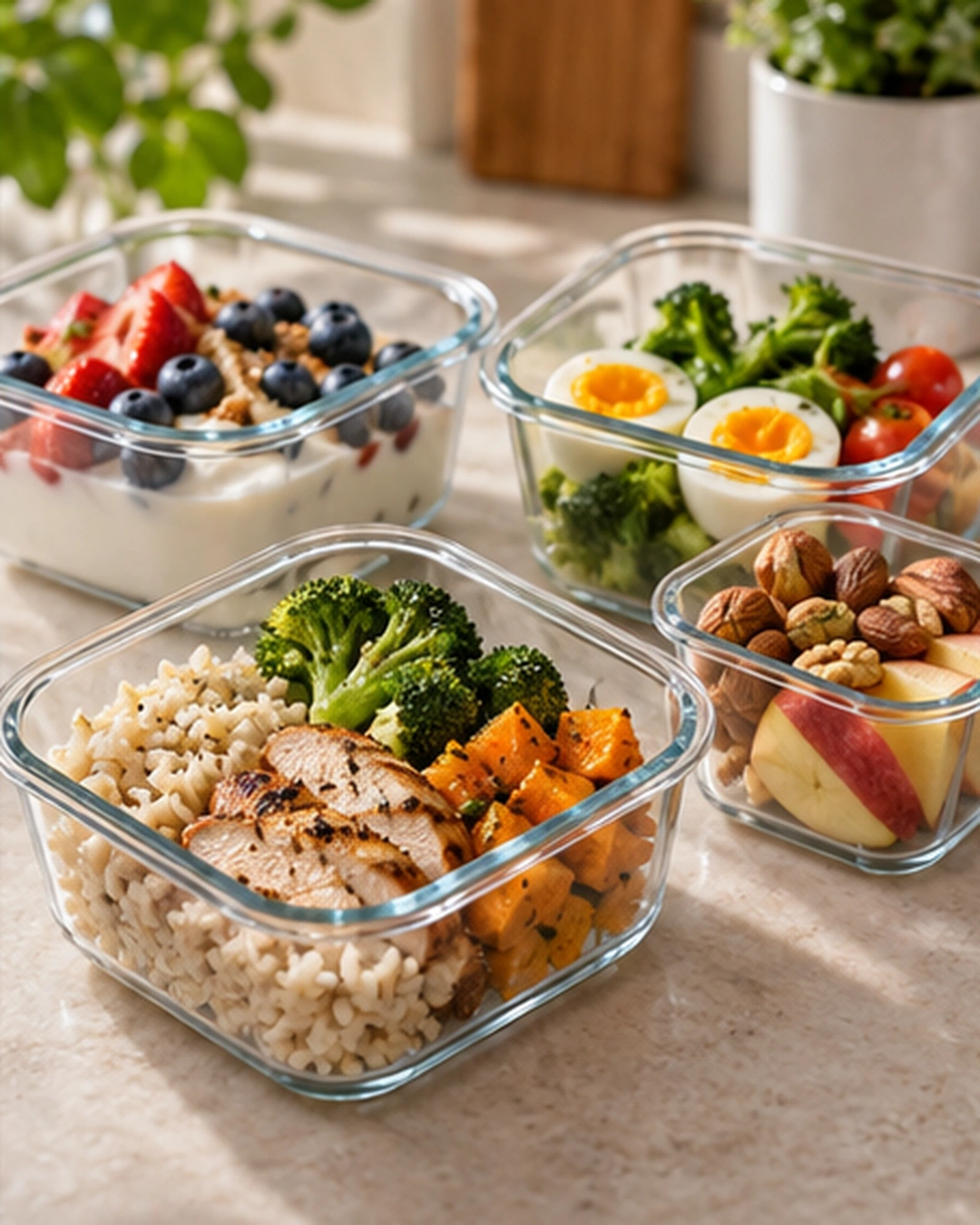
Meal frequency is the number of times a person eats during a day. It counts not only meals such as breakfast, lunch and dinner but also snacks eaten between meals. In Korean it is called 'siksa bindo'.

Meals and snacks
Usually named by the person who ate
In studies, whether an eating event counts as a meal or a snack usually follows what the person who ate called it. Some studies divide them by time of day or by calories eaten. So studies sometimes group meals and snacks together as 'eating occasions'.

How is it counted?
More than 15 minutes apart counts as a new time
There is no single rule for counting meal frequency. A common rule counts eating as a new occasion if it is more than 15 minutes after the last one, and some studies also drop occasions under 50kcal. Adding the 50kcal rule cut the same people's daily count by two or more.

How it differs from a similar term
Intermittent fasting is 'when', meal frequency is 'how many'
Intermittent fasting sets the hours in a day for eating and for fasting. Meal frequency counts how many times you eat within the eating hours. The two are set separately. Someone who eats twice and someone who eats four times within the same 8 hours have the same eating hours but a different meal frequency.

Background: TEF
Energy the body spends handling food
After eating, the body spends extra energy digesting, moving and storing the food. This energy is called TEF (the thermic effect of food). With a usual mixed diet, TEF is about 10% of the calories eaten.

Meal number and body weight
No difference when daily calories were the same
In diet studies that cut daily calories by the same amount, how many times that food was split into did not change the weight lost. An analysis pooling many studies made frequent eating look better for fat loss, but the difference disappeared when one study was left out.

A common mistake
Does eating often speed up your metabolism?
'Speeding up metabolism' means the body spends more energy in a day. But when the same calories were split into many small meals or packed into a few, the total energy the body spent in a day showed no difference. This is because TEF follows the total amount eaten in a day, not the number of meals.

Summary
The number of times you eat in a day
Meal frequency is the number of times a person eats in a day, counting both meals and snacks. With the same daily calories, eating more often did not raise the energy the body spent in a day. Related terms: TEF (thermic effect of food), intermittent fasting, calorie deficit and surplus.

The more you know, the more you grow.PHYSIQUE NEWS