In one line
Protein quality scores rate how well a protein supplies the essential amino acids the body needs, taking digestibility into account.
What are protein quality scores (PDCAAS and DIAAS)?
Protein has a 'quality score' too
Talk about protein supplements or plant protein often mentions 'PDCAAS 1.0' or 'DIAAS'. These mean that the same amount of protein can differ in how well it meets the body's needs. What do these scores measure, and how?

In one line
How well a protein supplies what the body must have
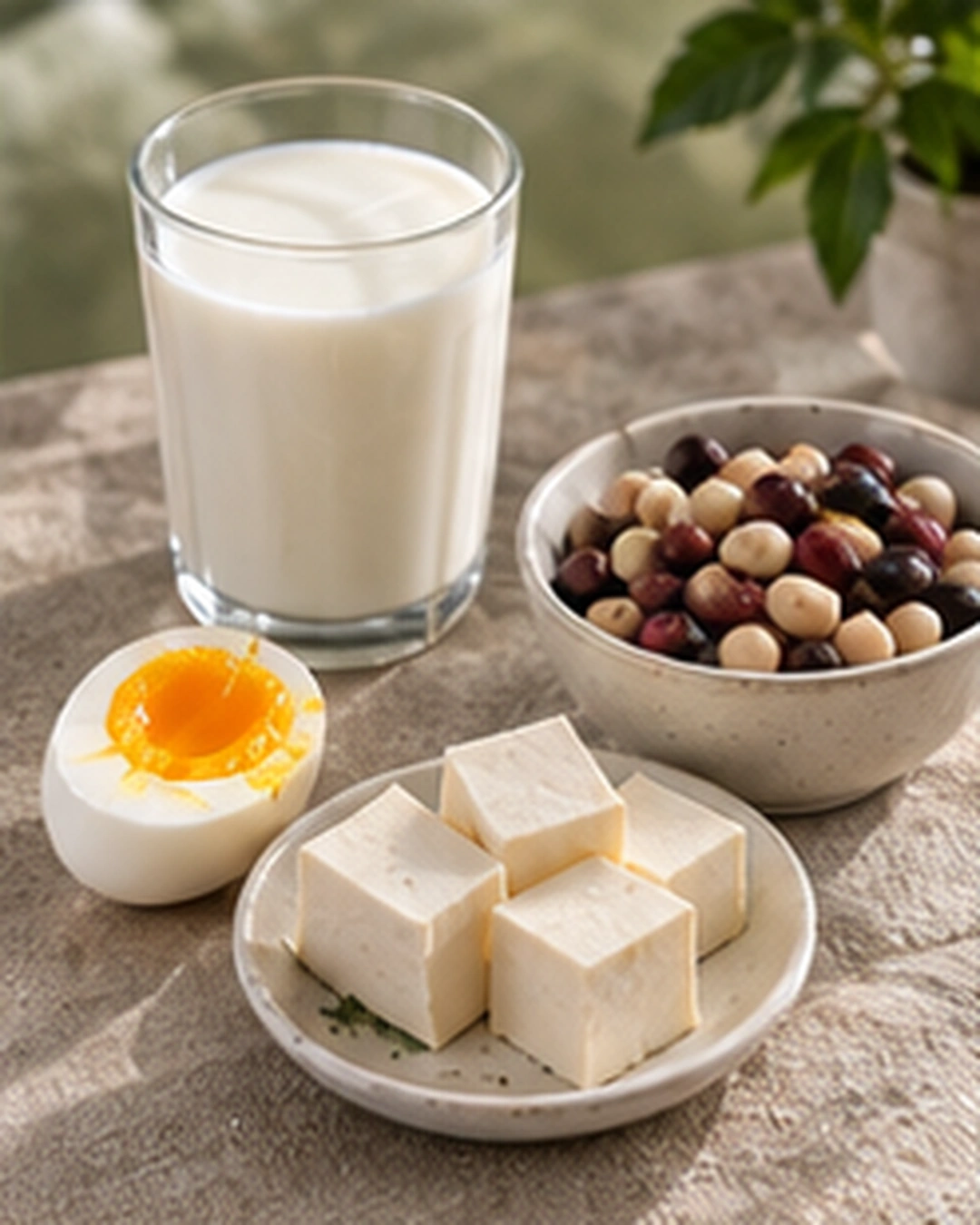
A protein quality score rates how well the protein in a food supplies the building blocks the body must have. It looks at both how much of them the food contains and how much is actually digested and taken into the body. PDCAAS and DIAAS are two ways to work out this score.
Background: essential amino acids
The 9 building blocks you must eat
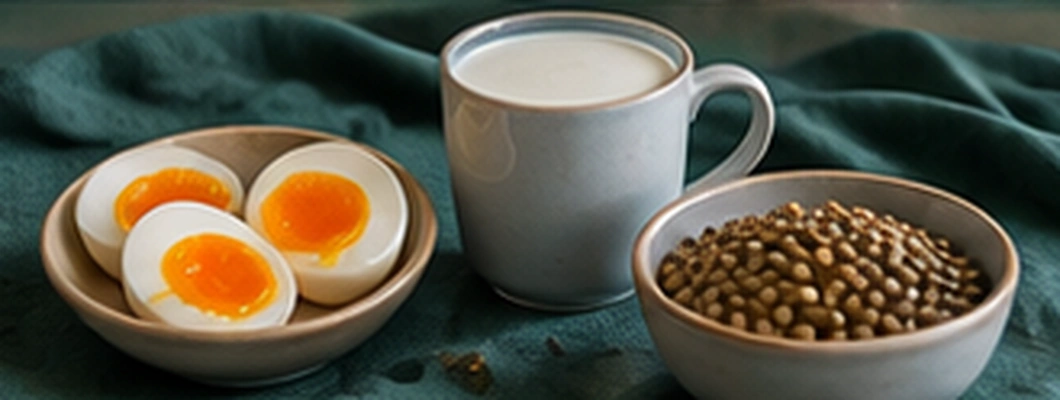
Protein is a chain of small building blocks called 'amino acids'. The 9 amino acids the body cannot make, and so must get from food, are called 'essential amino acids'. Quality scores are based on these 9.
The one that falls shortest
The scarcest amino acid sets the score
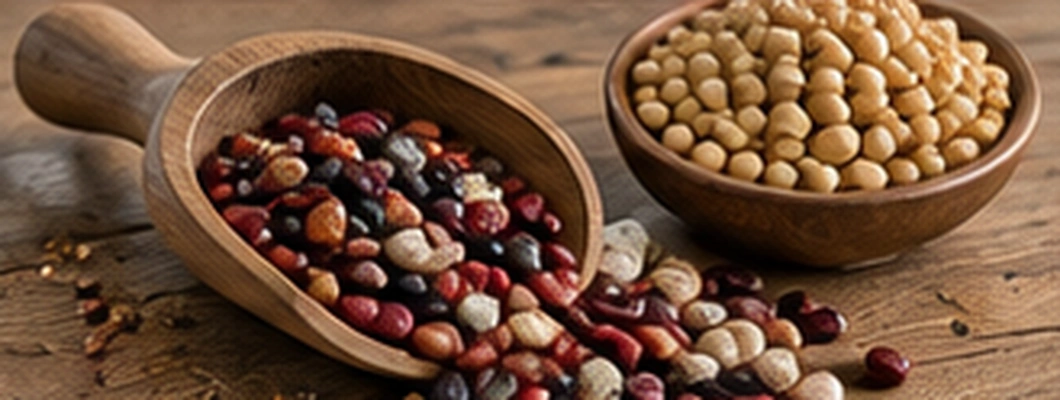
To score a protein, each essential amino acid in it is compared with the amount the body needs. The one that falls furthest short sets the score, and it is called the 'limiting amino acid'. It is like a wooden barrel that only fills up to the height of its shortest plank.

Digestibility
Not all the protein you eat gets in
Not all the protein you eat makes it into the body. Some passes through the gut without being digested. The share of what you ate that is actually digested and taken in is called 'digestibility', and quality scores build this into the amino acid score from the previous card.
PDCAAS
A score that uses digestibility measured from stool
PDCAAS stands for 'protein digestibility-corrected amino acid score'. It was recommended in 1989 by an expert meeting of the Food and Agriculture Organization of the United Nations (FAO) and the World Health Organization, and it multiplies the amino acid score by protein digestibility. Digestibility is measured by comparing the protein eaten with the amount that comes out in stool.

On nutrition labels
Multiplying the protein amount by the score
US nutrition labels use PDCAAS when they show protein as a percent of the daily value. The protein amount is multiplied by the PDCAAS to get a 'corrected amount of protein'. For example, 10 g of protein with a PDCAAS of 0.4 counts as 4 g.

DIAAS
The new score FAO proposed in 2013
DIAAS stands for 'digestible indispensable amino acid score'. A 2013 FAO expert report recommended replacing PDCAAS with DIAAS. Instead of one digestibility value for the whole protein, it measures digestibility separately for each essential amino acid.
Why measure at the small intestine
Stool-based digestibility comes out too high
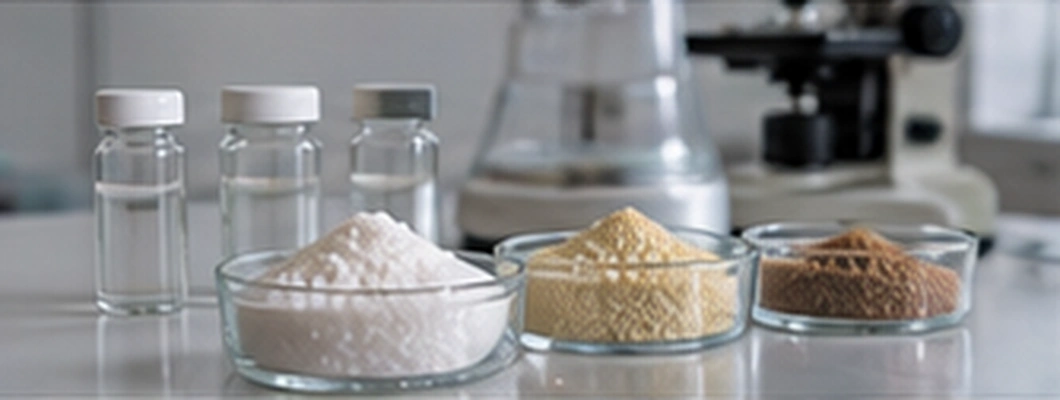
Amino acids are taken into the body mainly in the small intestine. Protein that reaches the large intestine undigested gets used up by gut bacteria there, so digestibility measured from stool usually comes out higher than the real value. That is why DIAAS uses digestibility measured at the end of the small intestine.

Mixing foods
Filling each other's gaps
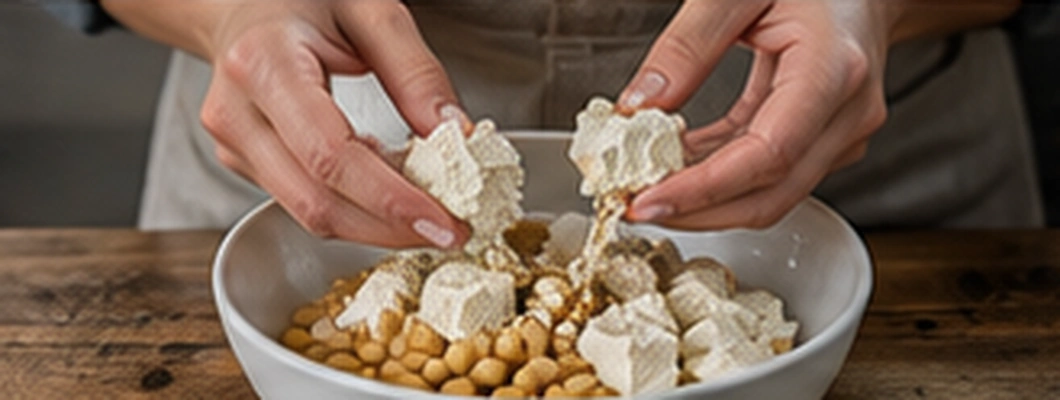
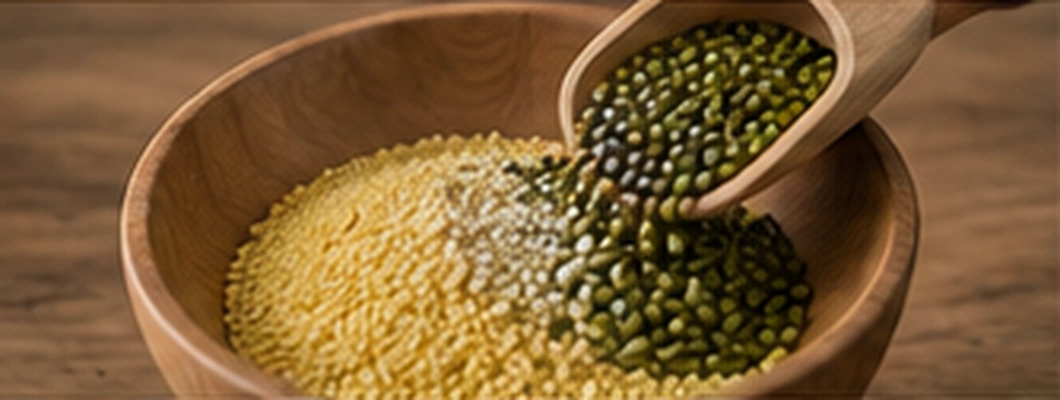
Grains and beans tend to fall short in different essential amino acids. So when eaten together, one fills the gap of the other. In an experiment using pigs in place of people, a mix of millet and mung beans had a DIAAS about 3 times that of millet alone, though still lower than mung beans alone.
A common myth
If PDCAAS is 1.0, are all such proteins equally top quality?
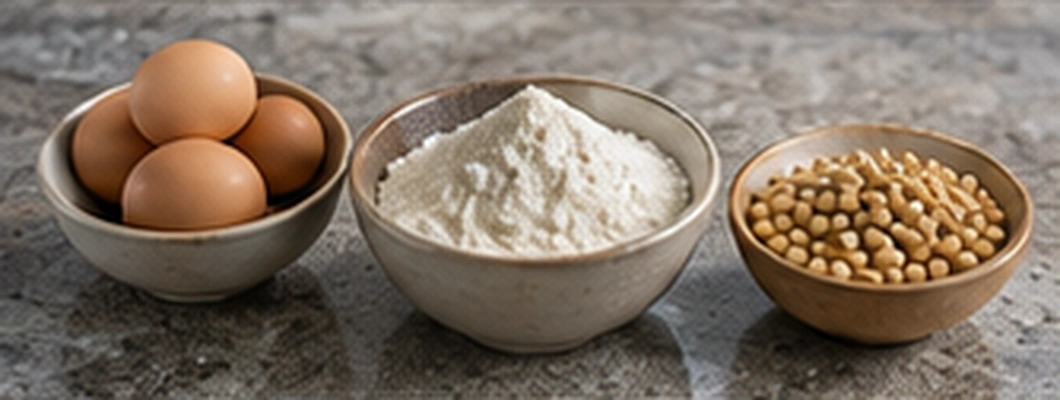
No. PDCAAS cuts every score above 1.0 down to 1.0. So among proteins scored 1.0, you cannot see which is better. When re-measured with DIAAS, which does not cut scores, proteins that all had a PDCAAS of 1.0 got different scores.
Summary
A score for how well a protein meets amino acid needs
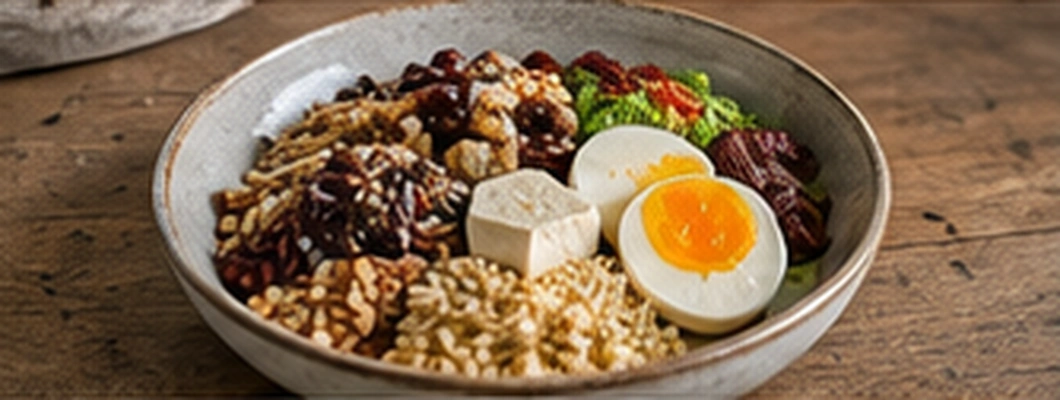
A protein quality score rates how well a protein supplies essential amino acids, taking digestibility into account. PDCAAS caps scores at 1.0, so differences among proteins scored 1.0 only show up with DIAAS. Related terms: essential amino acids (EAAs), protein, plant protein.
The more you know, the more you grow.PHYSIQUE NEWS