In one line
Selenium is a mineral needed in very small amounts; it is built into proteins that protect cells and help thyroid hormone work.
What is selenium?
A mineral seen on multivitamin labels
You see 'selenium' on multivitamin labels and mineral supplements. This post explains what kind of mineral selenium is, what it does in the body, where it is found, and what happens when people take too much.

In one line
A mineral needed in very small amounts
Minerals are elements the body needs, such as calcium and iron. Selenium is a 'trace mineral', one needed only in very small amounts. The body uses selenium as a building block for special proteins that protect cells.
How small
The adult recommendation is 55 micrograms
The US recommended amount for adults is 55 micrograms a day. A microgram is one-thousandth of a milligram, a very small amount. The body cannot make selenium, so it must come from food.

Selenoproteins
Proteins with selenium built in
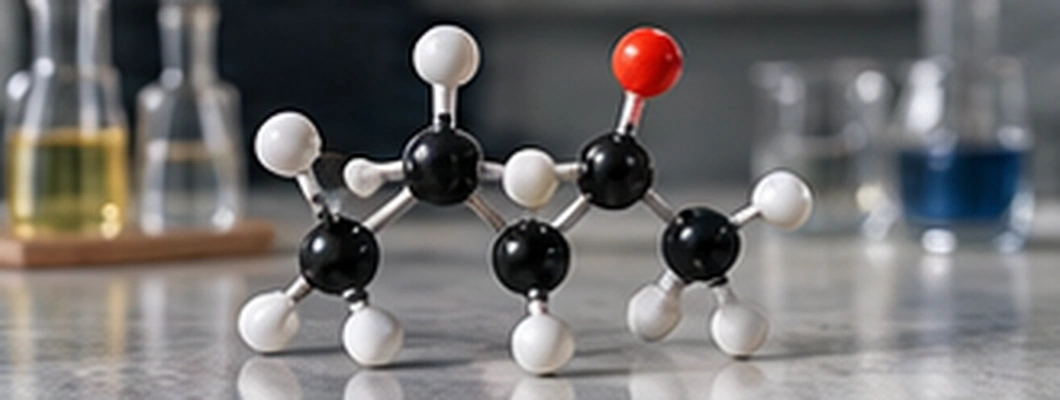
Proteins made with selenium built into them are called 'selenoproteins'. Many of them are 'enzymes', proteins that speed up chemical reactions in the body, and they keep cells from being damaged. This cell-protecting action is called 'antioxidant' activity.
Thyroid hormone
Turning the hormone into its working form
The thyroid is a small butterfly-shaped gland at the front of the neck that makes 'hormones' controlling how the body uses energy. Hormones are substances that travel in the blood and send signals around the body. Some selenoproteins are enzymes that turn thyroid hormone into its working form.

Where it is found
The amount depends on the soil
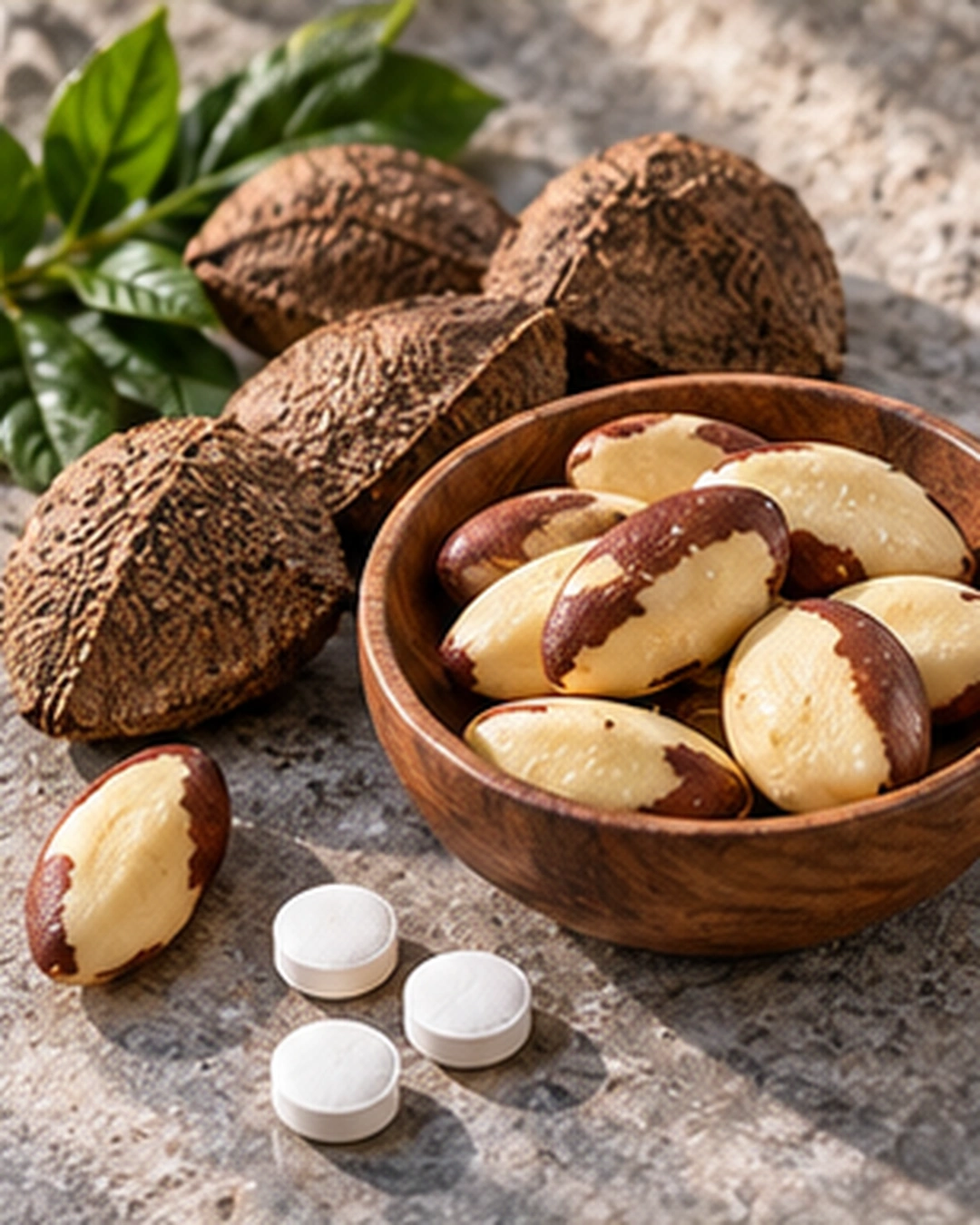
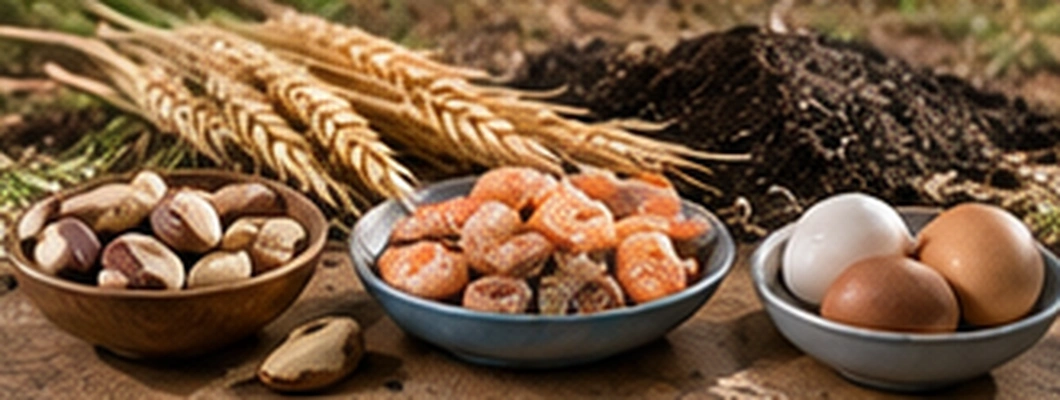
Selenium is plentiful in Brazil nuts, fish and shellfish, meat, eggs and grains. The selenium in vegetables and grains depends on how much selenium was in the soil where the plants grew. The same goes for meat from animals that ate those plants.
Brazil nuts
The amount varies widely from nut to nut
Brazil nuts are especially rich in selenium. In one trial, 2 nuts a day provided on average about 53 micrograms of selenium, close to the adult recommendation. But the amount varied widely from nut to nut.

Too little
Keshan disease, a heart muscle disease
The best-known disease caused by low selenium is 'Keshan disease'. It damages the heart muscle, and it killed many children in parts of China where soil and grains were low in selenium. When selenium tablets were handed out, the disease dropped sharply.

Too much
Selenium poisoning that makes hair fall out
Poisoning from taking too much selenium is called 'selenosis'. Hair falls out, nails change color or fall off, and nausea and fatigue appear. In 2008 in the US, people who took a liquid supplement containing 200 times the labeled amount of selenium were poisoned as a group.

Upper limit
US 400 micrograms, Europe 255 micrograms
An 'upper limit' is the daily maximum set by an agency that should not be exceeded. The adult selenium upper limit is 400 micrograms in the US and 255 micrograms from the European Food Safety Authority. Europe based its limit on the amount at which hair loss began, and named people who often take high-dose supplements or eat Brazil nuts as likely to exceed it.

A common myth
Does selenium prevent cancer?
No. In well-designed trials, selenium supplements did not reduce the number of people who got cancer or died of it. In the largest trial, more people actually had hair loss or skin rashes, and across the trials slightly more people developed diabetes. Most trial participants were men.

Summary
A mineral needed in tiny amounts that protects cells
Selenium is a mineral needed in very small amounts; it is built into selenoproteins that protect cells and help thyroid hormone. In well-designed trials, selenium supplements did not reduce cancer, and taking too much causes poisoning with hair loss. Related terms: trace mineral, antioxidant, upper limit.

The more you know, the more you grow.PHYSIQUE NEWS