In one line
A high-protein diet is a way of eating that sets the amount or share of protein higher than the usual standard.
What is a high-protein diet?
The chicken-breast lunchbox diet
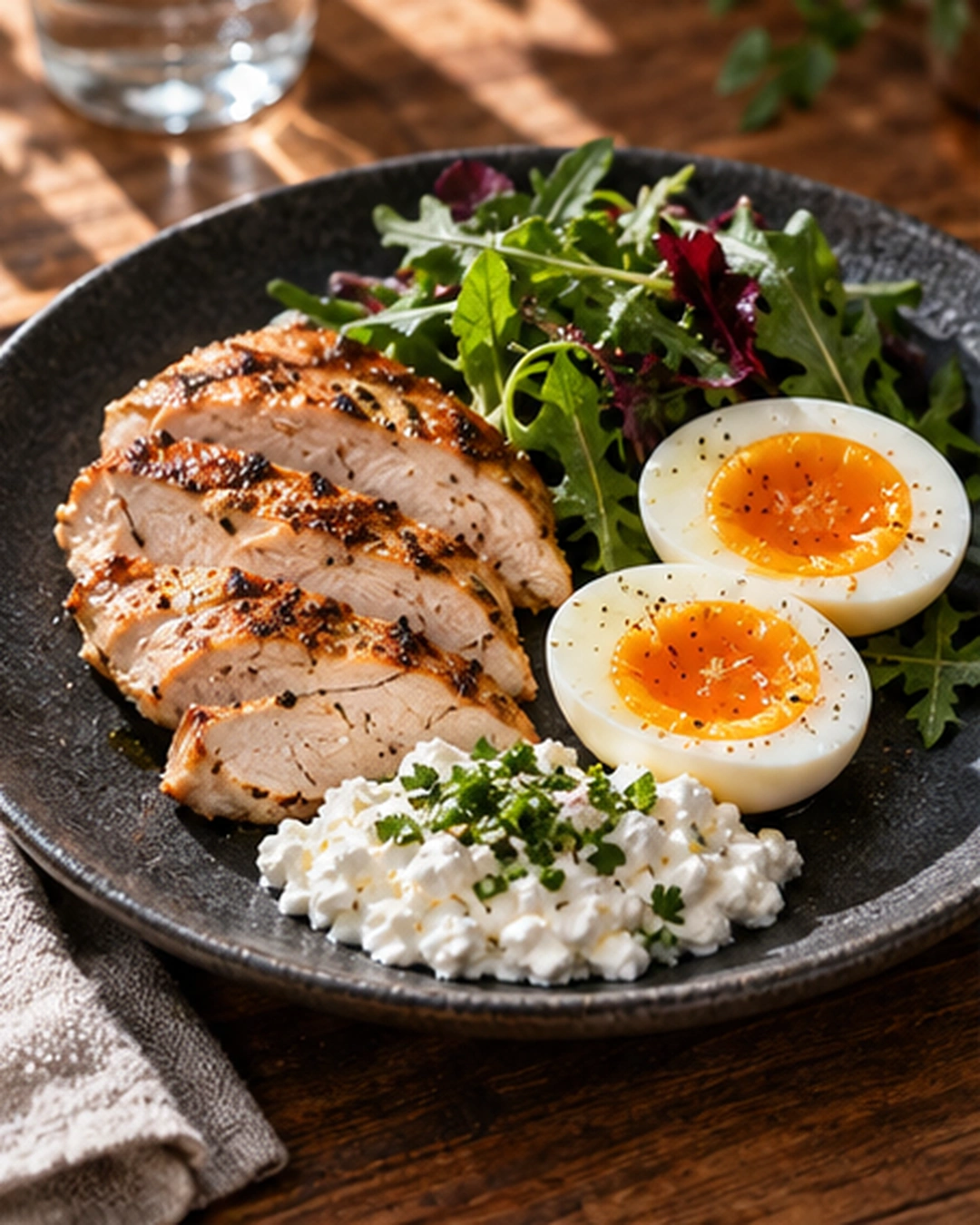
At the gym you often hear the phrase 'high-protein diet'. Chicken breast, eggs and tofu are always in the lunchbox. How much protein makes a diet 'high-protein', and what makes it different?

In short
A diet with a bigger share of protein
A high-protein diet sets the amount or share of protein higher than the usual standard. 'Higher' is judged against two standards. One is the recommended amount based on body weight, and the other is protein's share of the day's calories.
Standard (1): the recommended amount
About 56 g a day for 70 kg
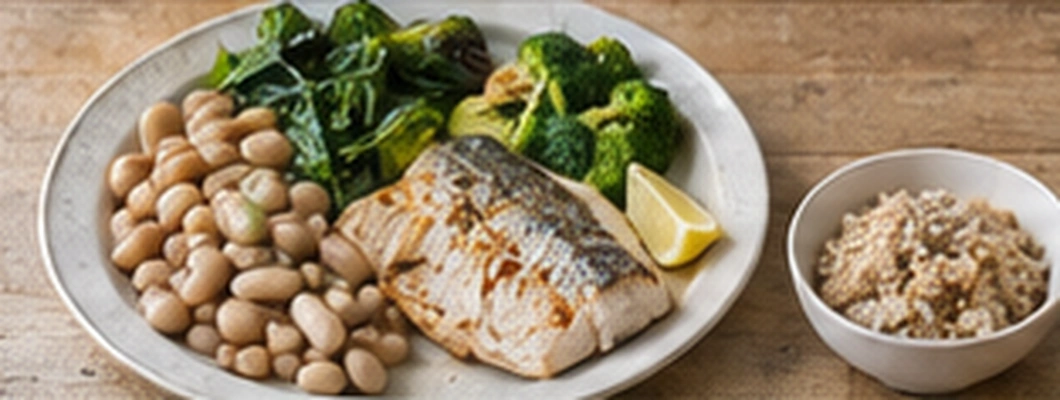
Under US nutrition standards, the recommended daily protein for adults is about 56 g for someone weighing 70 kg. It is set so that nearly all healthy people get enough. Daily protein above this amount is considered a high-protein diet.

Standard (2): share of calories
Usually 13-16% of daily calories
Protein can also be measured as a percentage of daily calories. People in the US usually get about 13-16% of their daily calories from protein. A higher share of protein than this is considered a high-protein diet.
The set range
Up to 35% of daily calories
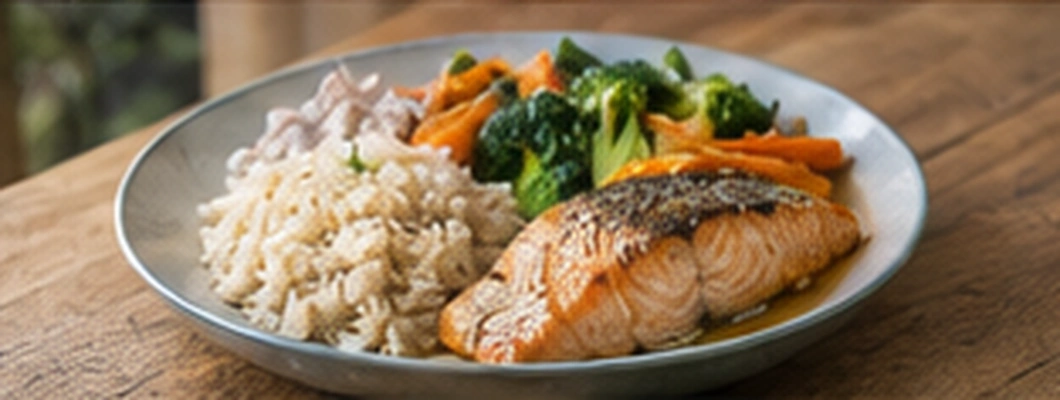
US nutrition standards set the range of calories adults get from protein at up to 35% of daily calories. On a 2,000 kcal day, that 35% equals about 175 g of protein.
Filling it with food
About 31 g in 100 g of cooked chicken breast
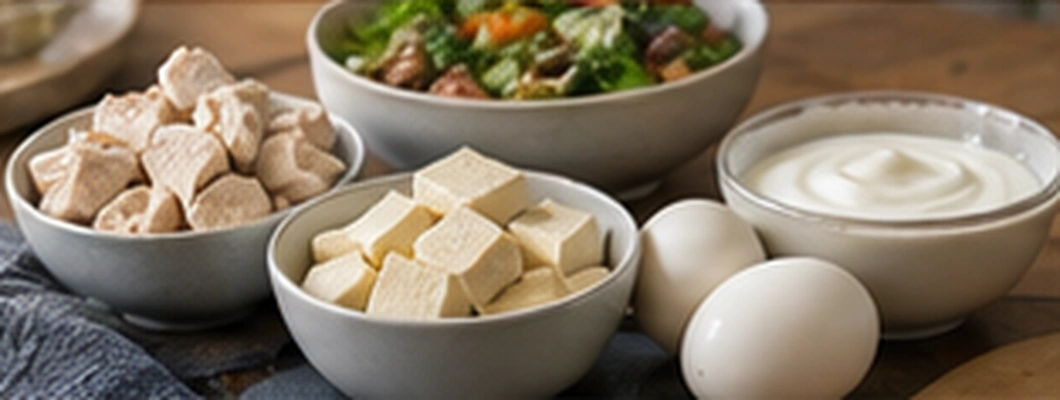
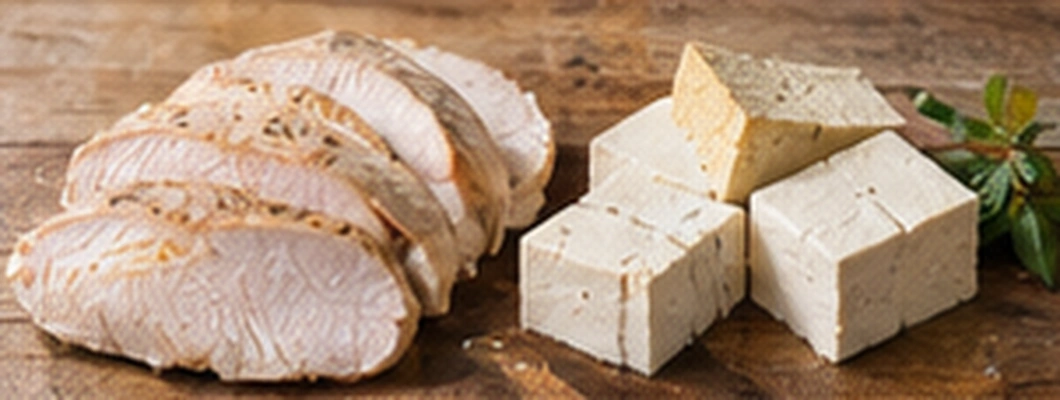
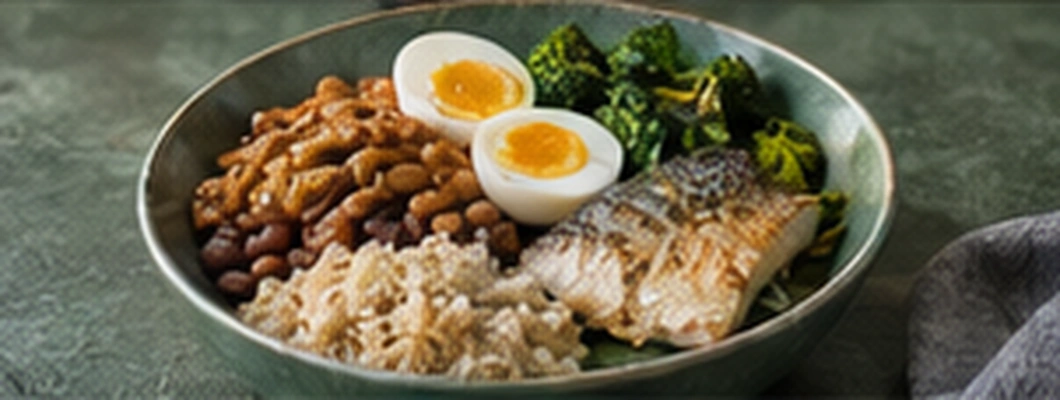
Protein is plentiful in meat, fish, eggs, beans, tofu and dairy. In the US Department of Agriculture food data, 100 g of roasted chicken breast has about 31 g of protein, and 100 g of firm tofu has about 17 g.
For people who exercise
The recommendation itself is high-protein
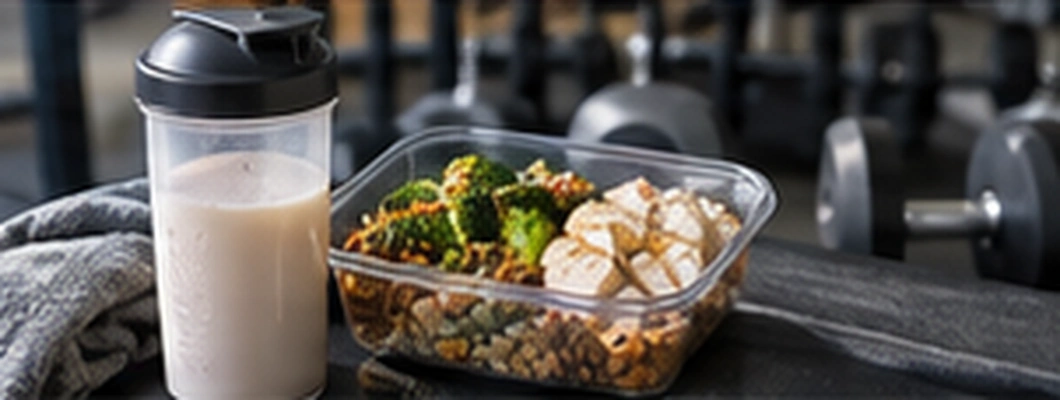
The International Society of Sports Nutrition recommends about 98-140 g of protein a day for exercising people who weigh 70 kg. That is more than the general recommended amount, but still within the range set by US nutrition standards.
While cutting calories
A little more body fat was lost
Studies compared diets with the same calorie cut, where protein was raised and carbohydrate lowered by the same amount, against diets with standard protein. Pooled together, the high-protein side lost a bit less than 1 kg more body weight and body fat. Body weight other than fat, such as muscle, also dropped a little less on the high-protein side.
If you have kidney disease
Protein is sometimes kept moderate
When the body uses protein, waste is left over, and the kidneys filter it out of the blood. The US National Institutes of Health's kidney institute explains that some people with chronic kidney disease keep protein to moderate amounts so this waste does not build up in the blood.

A common misconception
Is a high-protein diet a no-carb diet?
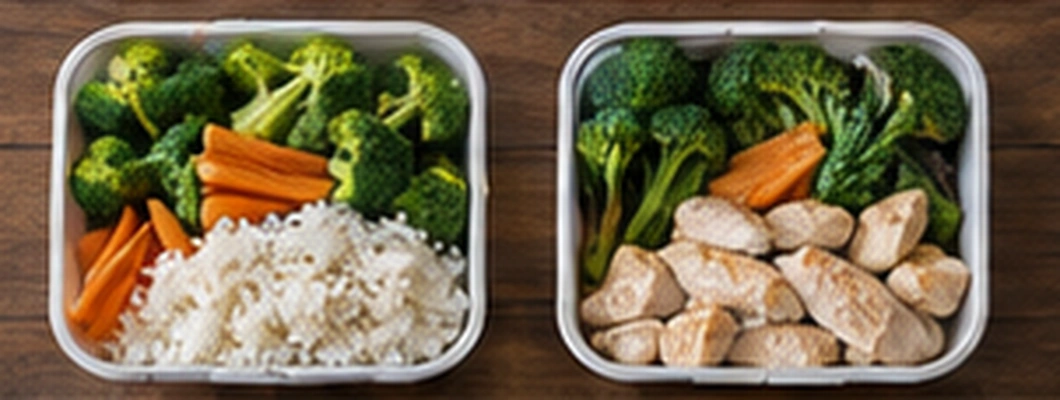
No. Many popular diets do cut carbohydrates sharply while raising protein. But a high-protein diet is defined by the amount or share of protein. Research has also used high-protein diets that kept half of daily calories from carbohydrates and raised protein to 20%.
Summary
A diet with a bigger protein share
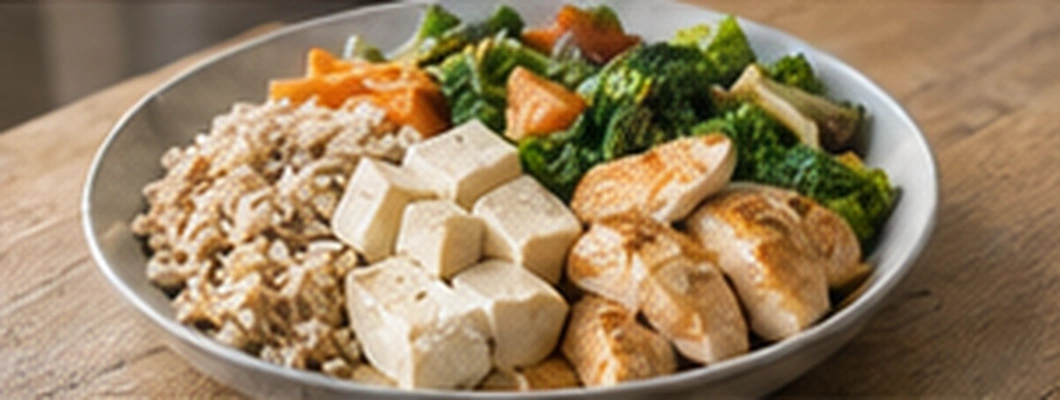
A high-protein diet sets the amount or share of protein higher than the recommended amount or usual eating. You do not have to cut out carbohydrates for a diet to be high-protein. Related terms: protein, macronutrients, low-carbohydrate diet.
The more you know, the more you grow.PHYSIQUE NEWS