
In one line
Chromium is a metal element; foods and supplements contain tiny amounts of a low-toxicity form of it.
What is chromium?
The name on blood sugar and diet supplement labels
You may see 'chromium' on the labels of multivitamins and of supplements for blood sugar or weight loss. It is the same name as the metal used for plating. This post explains what kind of element chromium is, what it was thought to do in the body, and what risks have been reported.
In short
A metal element found in tiny amounts in food
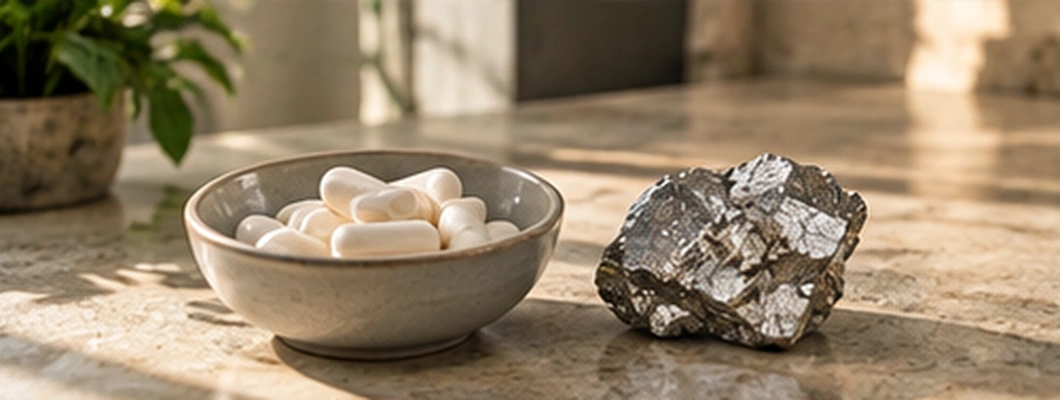
Chromium is a metal element, like iron. It occurs naturally in rocks, soil, plants and animals, and food contains very small amounts. The chromium in food and supplements is a form called 'trivalent chromium' (chromium-3).

Metallic chromium
A silvery metal used for plating and steel
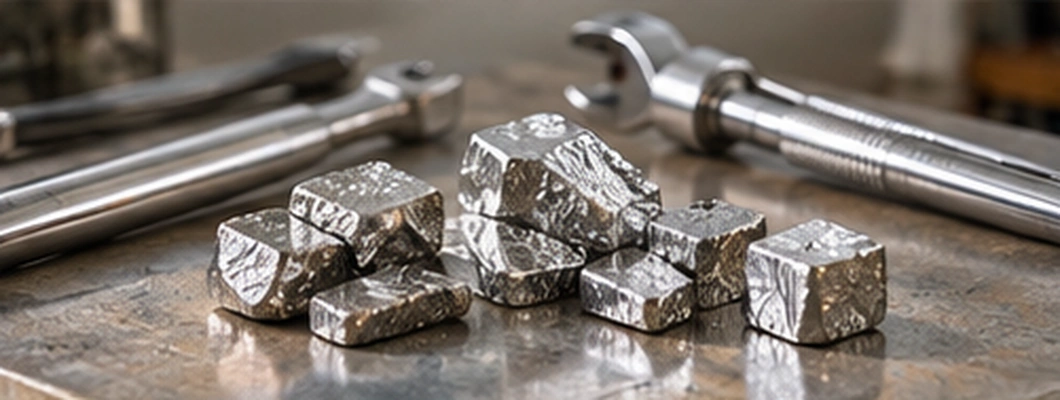
Chromium itself is a hard, shiny, silvery-white metal. Because it does not rust easily in air, it is widely used for plating and in alloys, and it also goes into making steel.
Chromium-3 and chromium-6
The same chromium, different forms
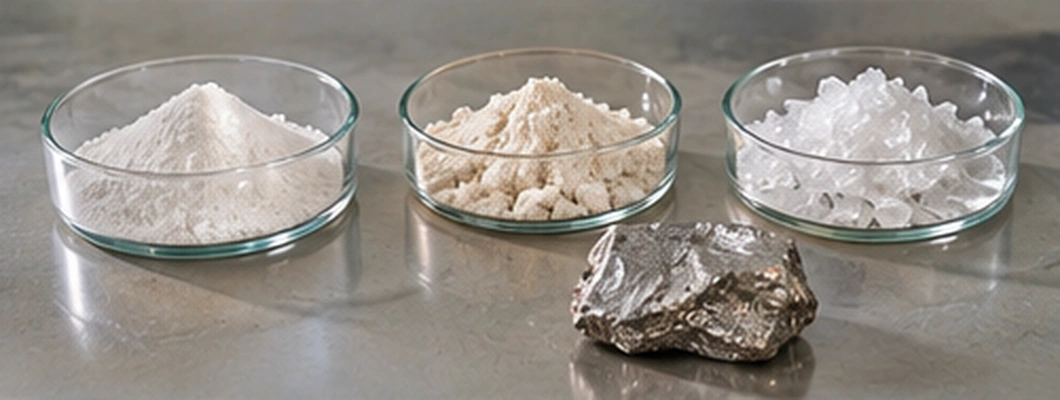
Chromium has several forms, and the common ones are metallic chromium, 'trivalent chromium' (chromium-3) and 'hexavalent chromium' (chromium-6). The chromium in food and supplements is chromium-3. Chromium-6 is used in industries such as plating, dyes and leather processing.
The danger of chromium-6
A substance that causes cancer in people
The U.S. Department of Health and Human Services, the World Health Organization's International Agency for Research on Cancer and the U.S. Environmental Protection Agency have classified chromium-6 compounds as known human carcinogens. Workers who breathed in chromium-6 developed lung cancer. Chromium-3 is far less toxic.

What it was thought to do
The idea that it helps insulin
'Insulin' is a hormone that controls the amount of glucose in the blood (a hormone is a substance that travels in the blood and carries signals). Chromium-3 has long been thought to help insulin work properly. But how chromium would do this inside the body has not been shown.

How much gets into the body
Most chromium you eat passes straight through
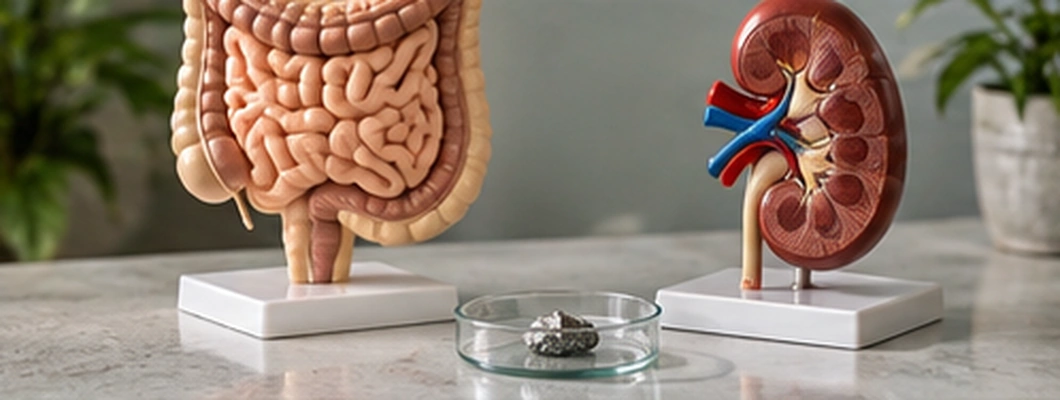
Chromium-3 from food barely passes from the gut into the blood. The amount that gets in is estimated at about 0.4-2.5% of what is eaten, and the rest leaves in the stool. Most of the chromium that does reach the blood is quickly removed in the urine.
Daily reference amount
U.S.: 35 µg for young men, 25 µg for young women
The United States set the daily 'Adequate Intake' of chromium at 35 µg for young adult men and 25 µg for young adult women. A µg (microgram) is a tiny unit: 1 g divided into a million parts. An Adequate Intake is a standard based on what healthy people usually eat, used when the actual requirement has no data to set it.

Chromium in supplements
Picolinate, nicotinate, chloride
In supplements, chromium-3 is bound to other substances in forms such as 'chromium picolinate', 'chromium nicotinate' and 'chromium chloride'. In a study that compared four products at the same dose, including two nicotinates, the most chromium came out in the urine after chromium picolinate, meaning more of it entered the body.

Reported risk
A case of kidney failure after taking large amounts
In studies that gave chromium to people with diabetes, side effects did not differ from placebo. However, a case was reported of a person who took chromium picolinate at tens of times the Adequate Intake for more than four months to lose weight; the kidneys failed, requiring 'dialysis', a treatment in which a machine filters the blood, and liver function also worsened. The person recovered after treatment.

Common misconception
Is chromium an essential mineral you must eat?
That it is essential has not been confirmed. The United States set an Adequate Intake in 2001, but in 2014 the European Food Safety Authority found no evidence that animals need chromium and no evidence of benefit from chromium intake in healthy people, and so set no daily reference value. A scientist who has studied chromium for decades also concluded in 2017, based on new studies, that chromium cannot be considered an essential element.

Summary
Chromium-3 in food, chromium-6 in industry
Chromium is a metal element; the chromium in food and supplements is low-toxicity chromium-3, while chromium-6, used in industry, is classified as causing cancer in people. It has been thought of as an essential mineral that helps insulin, but that it is essential has not been confirmed. Related terms: insulin, minerals, multivitamins.

The more you know, the more you grow.PHYSIQUE NEWS