In one line
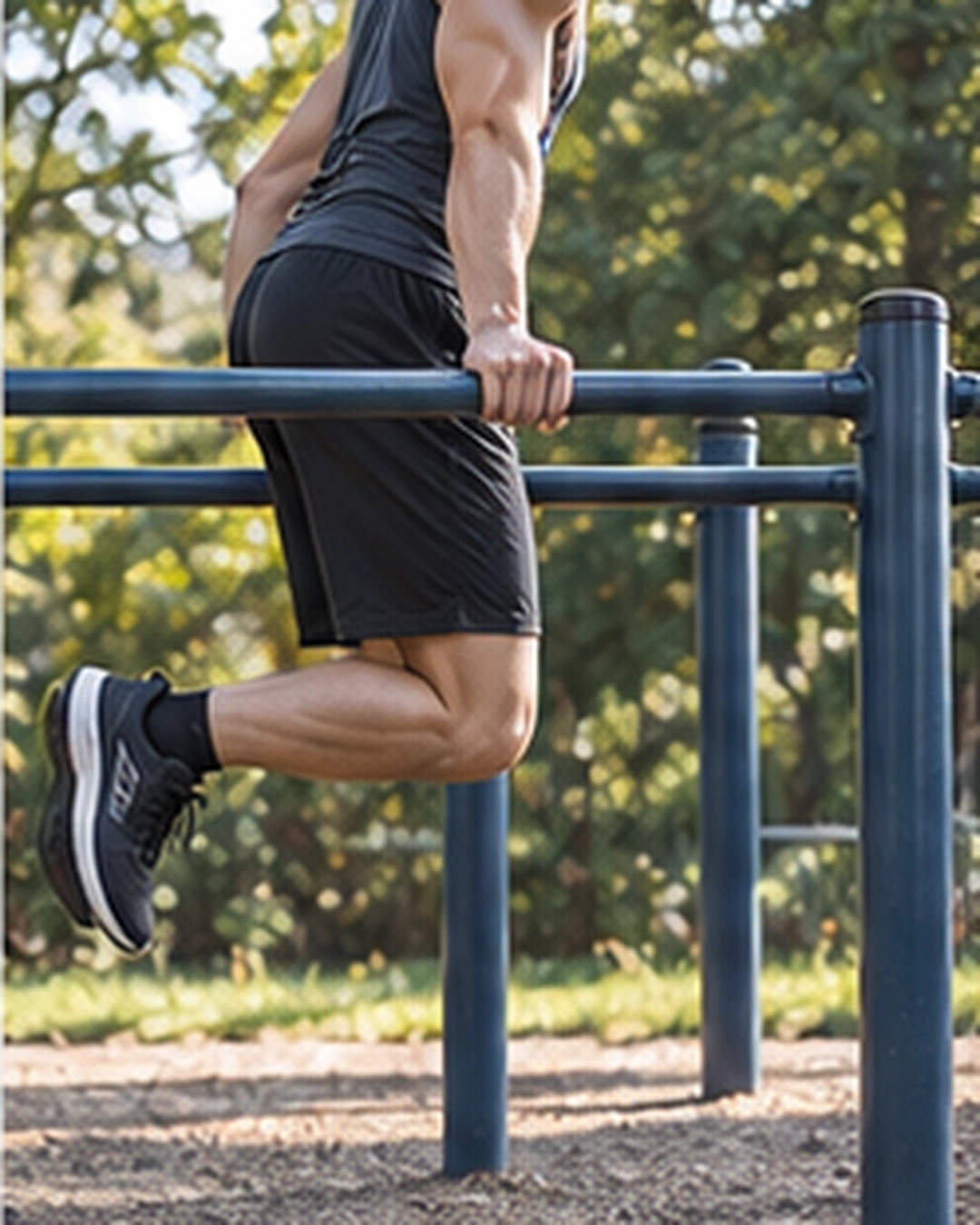
Dips are an exercise where you hold your body up on your hands, bend your elbows to lower yourself, then straighten your arms to push back up, working the chest and the back of the upper arm.
What are dips?
The exercise of lowering and rising on parallel bars
In a corner of the gym, on a frame with two handles side by side, you can see people hold themselves up and move up and down. That exercise is the dip. This post explains what dips look like and which muscles they use.

In one line
Hold yourself up, lower down, push back up
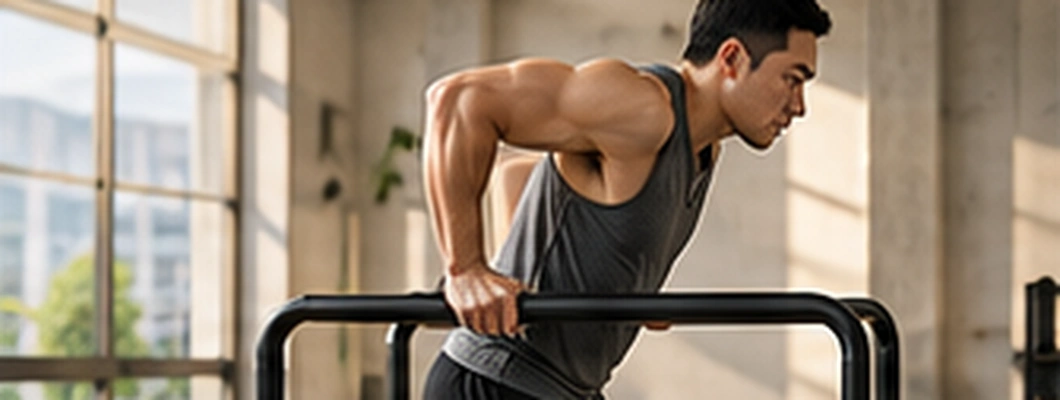
Dips are an exercise where you support your body weight on your hands, bend your elbows to lower yourself, then straighten your arms to come back up. They are usually done on parallel bars, two bars set side by side. The Korean dictionary describes them as bending and straightening the arms on parallel bars or a dip machine.

A Korean name
The parallel bar push-up
The Korean dictionary lists a fitness test called the 'parallel bar push-up'. You grip the parallel bars, lift yourself up with your body upright, then bend and straighten both arms to measure arm strength. It is the same movement as a dip on parallel bars.

Several joints at once
The elbow and shoulder move together
A joint is where two bones meet so the body can bend and straighten. As you lower yourself, the elbows bend and the upper arms swing back behind the body at the shoulder. As you come up, the elbows straighten and the upper arms come forward again. Because two joints move together, the dip is a 'compound exercise'.
Main muscles
The pectoralis major and the triceps
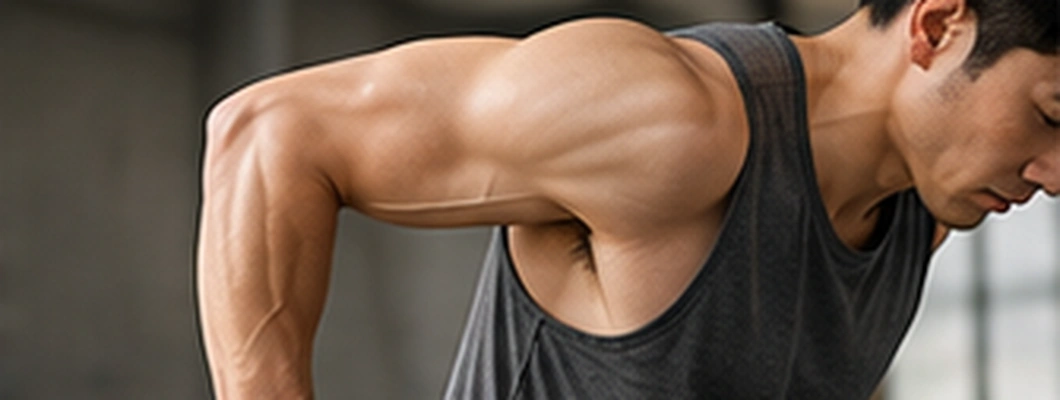
The pectoralis major is the large muscle that spreads like a fan over the upper front of the chest. The triceps, on the back of the upper arm, straightens the elbow. In studies that measured the small electrical signal muscles give off when they work, parallel bar dips worked these two muscles hard.
A helping muscle
The front of the deltoid
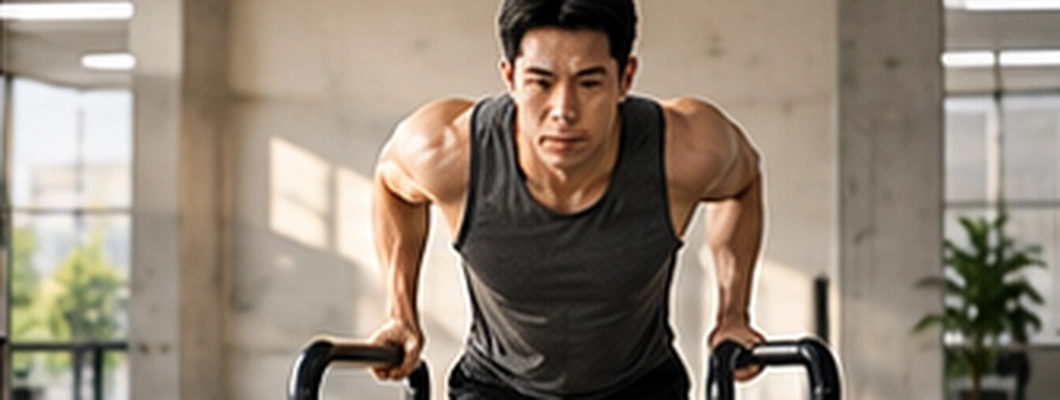
The deltoid is the muscle that wraps around the shoulder, and its front part lifts the upper arm forward. Because the upper arm comes forward as you rise in a dip, this part works too. Muscles around the back and shoulder that hold the shoulder blade (the flat bone of the upper back) steady also worked.

Kinds of dips
Bench, parallel bars, rings
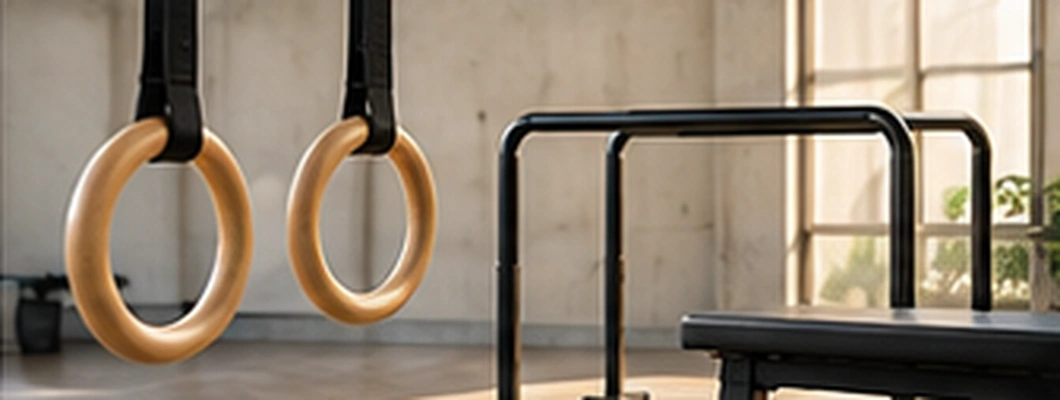
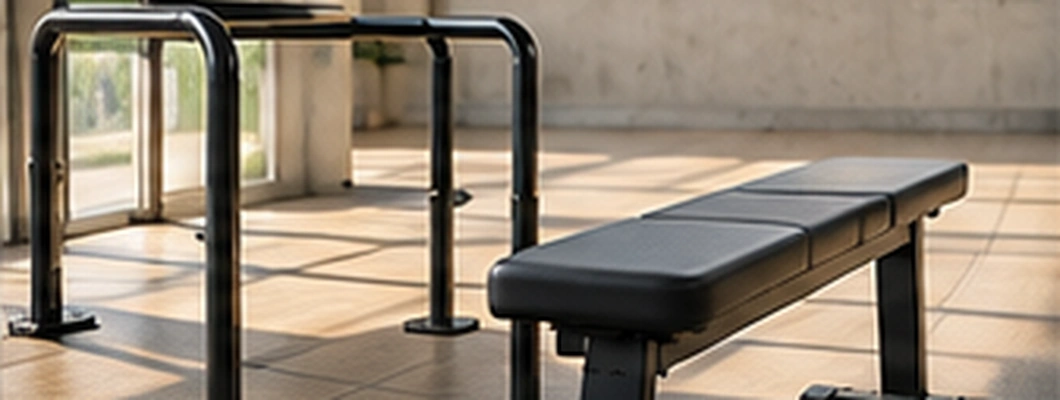
If you put your hands on the edge of a bench and keep your feet on the floor, it is a 'bench dip'; if you hang from gymnastics rings, it is a 'ring dip'. Parallel bar dips made most muscles, including the pectoralis major and triceps, work harder than bench dips. Of the three, the pectoralis major worked hardest in ring dips, on the wobbly rings.
Bench dips and the shoulder
The upper arm goes back as far as it can
In bench dips, the upper arm swung back behind the body as far as each person could move it on their own. In parallel bar dips and ring dips, it swung back less. For this reason, the research team concluded that bench dips should not be part of regular strength training.
Reported injuries
Torn chest muscles
A medical journal reported a case of a torn pectoralis major during parallel bar dips with added weight. The report noted that, for such a popular exercise, injuries from dips are rarely reported. A later research team also found only 2 case reports of this tear during parallel bar dips.
A common misconception
Are dips a triceps exercise?
Dips are often called 'triceps dips'. But the version that leaned most on the triceps compared with other muscles was the bench dip, while the triceps itself worked harder in parallel bar and ring dips. In parallel bar dips and ring dips, the pectoralis major worked hard along with the triceps.
Summary
Lower and push up, using the chest and triceps
Dips are an exercise where you hold your body up on your hands, bend your elbows to lower yourself, then straighten your arms to push back up. Parallel bar dips work not only the triceps but also the pectoralis major, with the front deltoid helping. Related terms: compound exercise, bench press, bodyweight exercise.

The more you know, the more you grow.PHYSIQUE NEWS