In one line
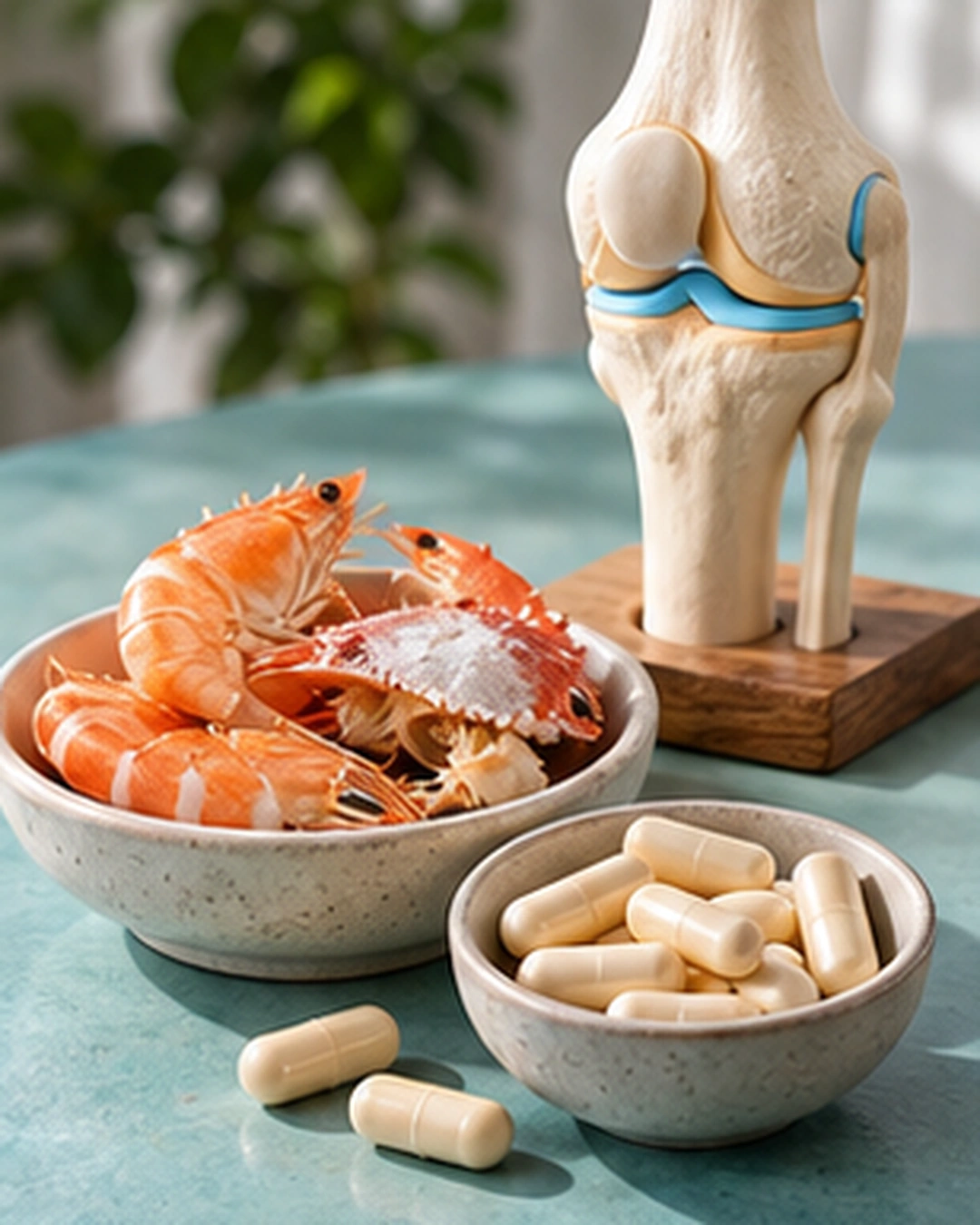
Glucosamine and chondroitin are building materials of the cartilage in our joints; supplements extract them from crab and shrimp shells or animal cartilage.
What are glucosamine and chondroitin?
Two names you often see together on joint supplements
Joint supplement labels often list 'glucosamine' and 'chondroitin' together. This post explains where these two substances are found in the body, what supplements are made from, and what risks have been reported.

In short
Two building materials of cartilage
Glucosamine and chondroitin are substances naturally found in the cartilage of our joints. Supplements are made by extracting them from crab and shrimp shells or from animal cartilage. They are sold separately or mixed in one pill.
Background: joints and cartilage
A smooth layer covering the ends of bones
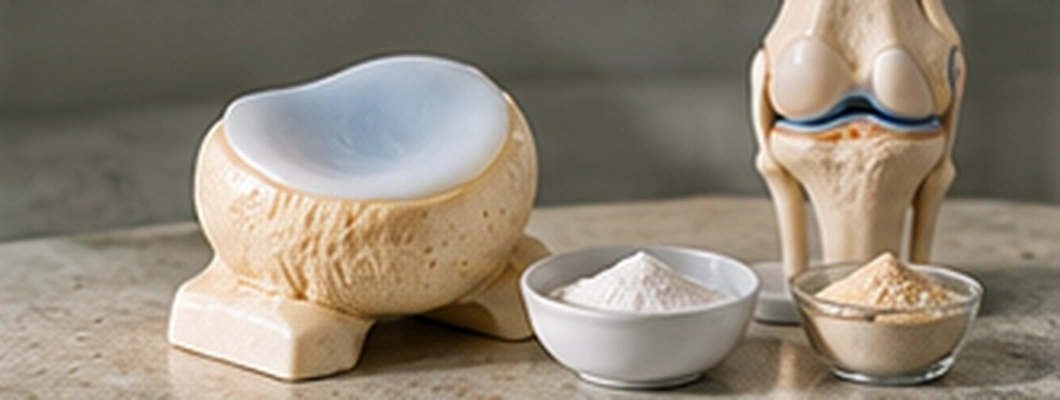
A place where two bones meet and move, like the knee, is called a 'joint'. Inside a joint, the ends of the bones are covered with a thin, smooth layer called 'cartilage'. Thanks to cartilage, the bones glide smoothly instead of grinding against each other.

Glucosamine
A sugar with nitrogen attached: an 'amino sugar'
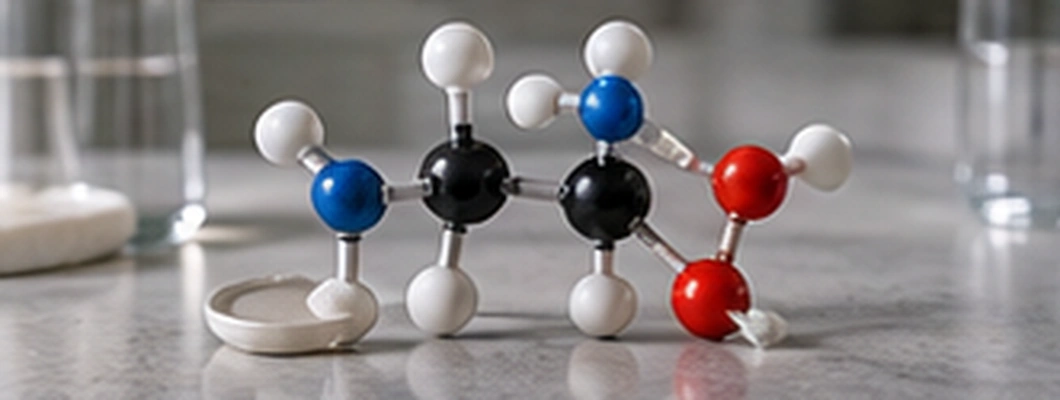
Glucosamine looks almost the same as glucose, but one spot is swapped for a small group containing 'nitrogen'. Nitrogen is the gas element that makes up most of the air. A sugar like this is called an 'amino sugar', and in the body it is a building block for the long sugar chains that make up cartilage.
Chondroitin
A sugar chain that forms the firm base of cartilage
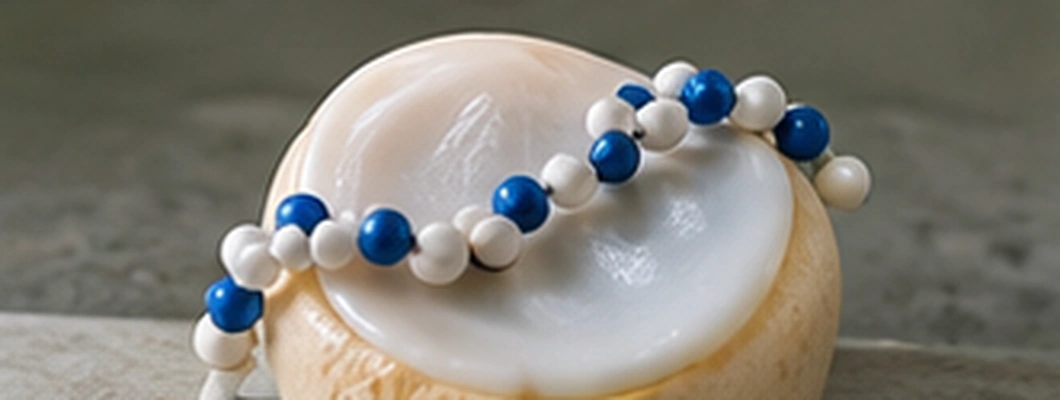
Chondroitin is a long chain made of two kinds of sugar repeating over and over. There is a lot of it in cartilage, where it forms the firm base material. It helps cartilage hold up when body weight presses on it.
What supplements are made from
Crab and shrimp shells, animal cartilage
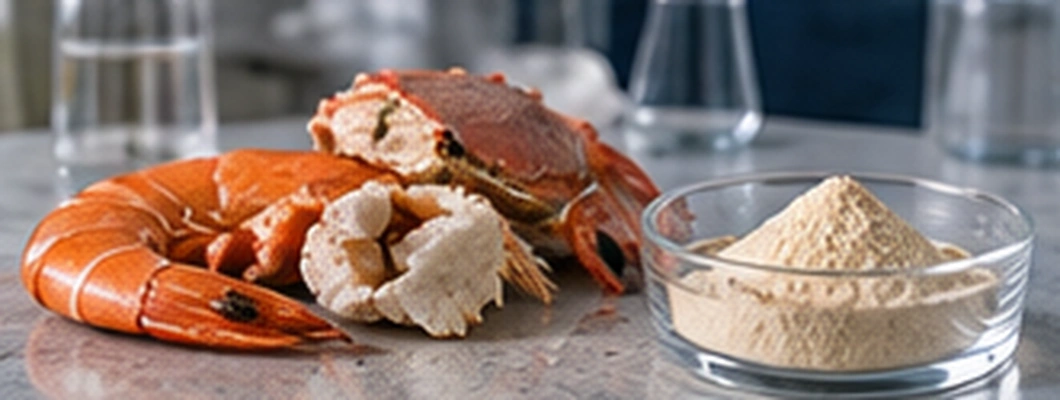
Crab and shrimp shells contain 'chitin', a long chain of a sugar similar to glucosamine. Glucosamine is obtained by breaking chitin into small pieces with acid, and methods that use microbes such as fungi are being developed. Chondroitin is extracted from the cartilage of cows, pigs and chickens, or of sharks and skates.
Drug or supplement?
In some countries, a prescription drug
In the United States, glucosamine (as sulfate or hydrochloride) and chondroitin are sold as dietary supplements. In some countries, including parts of Europe, certain products made to strict quality standards are used as prescription drugs. Even with the same name, drug products and supplements are held to different standards.

Labels did not match
Products with less chondroitin than stated
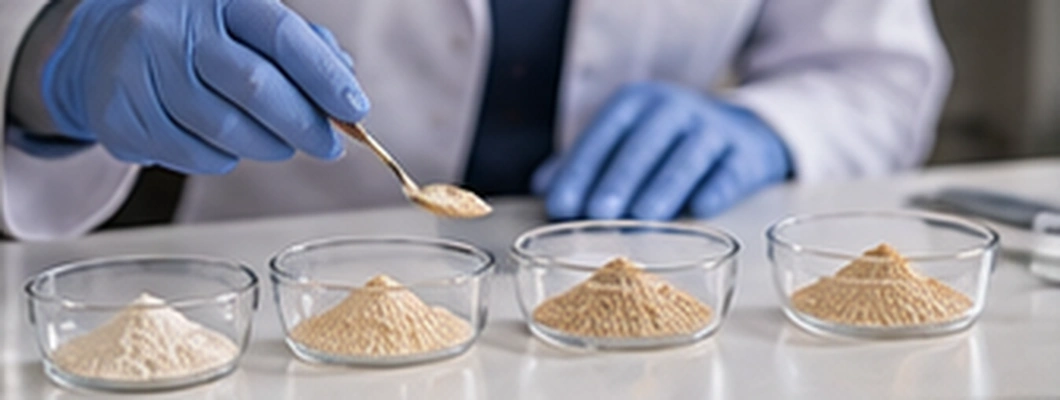
Studies that analyzed chondroitin supplements in several countries found products containing less chondroitin than the label said. Some raw materials and products contained only 5-10% of the labeled amount. Many products also did not say which animal the chondroitin came from.
Amounts used in studies
About 1,500 mg of glucosamine a day
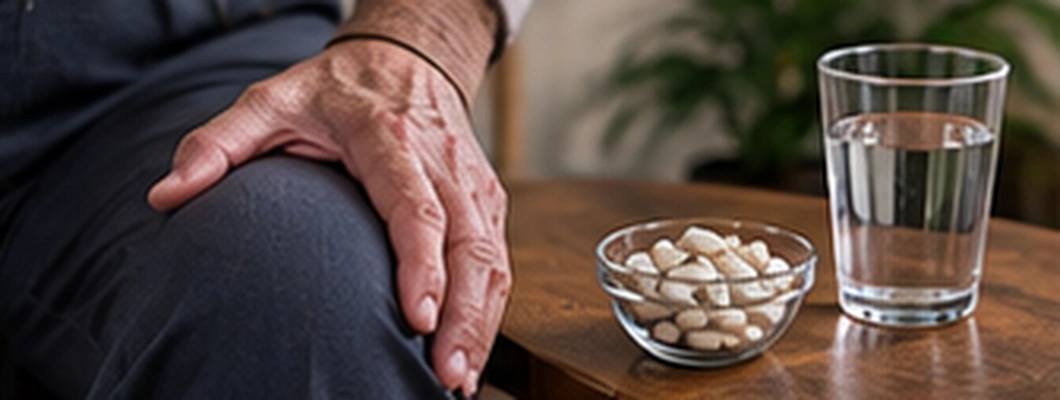
Large long-term studies in people with knee arthritis used 1,500 mg of glucosamine and 800-1,200 mg of chondroitin a day. These are amounts the studies chose in order to test effects.
Reported risk
Allergy-like reactions such as hives and shortness of breath
Among reports of side effects from glucosamine and chondroitin sent to Australia's medicines regulator, about seven in ten were 'hypersensitivity reactions', where the body overreacts to a substance. They ranged from itching and hives to shortness of breath, vomiting and severe drops in blood pressure. Glucosamine is made from crab and shrimp shells, but whether the people who reported had a seafood allergy was not known.

Common misconception
It is a joint substance, so is it fine with any medicine?
No. More than 40 cases were reported in which people taking warfarin, a medicine that keeps blood from clotting, started glucosamine and their blood then took longer to clot. Most had no symptoms, but some had bleeding in various organs, and one person never regained consciousness. In most cases, clotting time returned to normal after glucosamine was stopped.

Summary
Joint supplements extracted from cartilage materials
Glucosamine and chondroitin are building materials of joint cartilage, and supplements extract them from crab and shrimp shells and animal cartilage. In people taking warfarin, cases were reported in which blood clotted less well after adding glucosamine. Related terms: cartilage, osteoarthritis, collagen.

The more you know, the more you grow.PHYSIQUE NEWS