In one line
Range of motion is how far a joint moves from one end to the other, usually expressed as an angle.
What is range of motion (ROM)?
The 'full range of motion' you hear about
At the gym you hear things like 'use the full range of motion' or 'only going halfway down'. Hospitals and rehab programs also talk about 'joint range of motion'. This post explains what range of motion is, how it is measured, and what it means in strength training.

In short
How far a joint moves
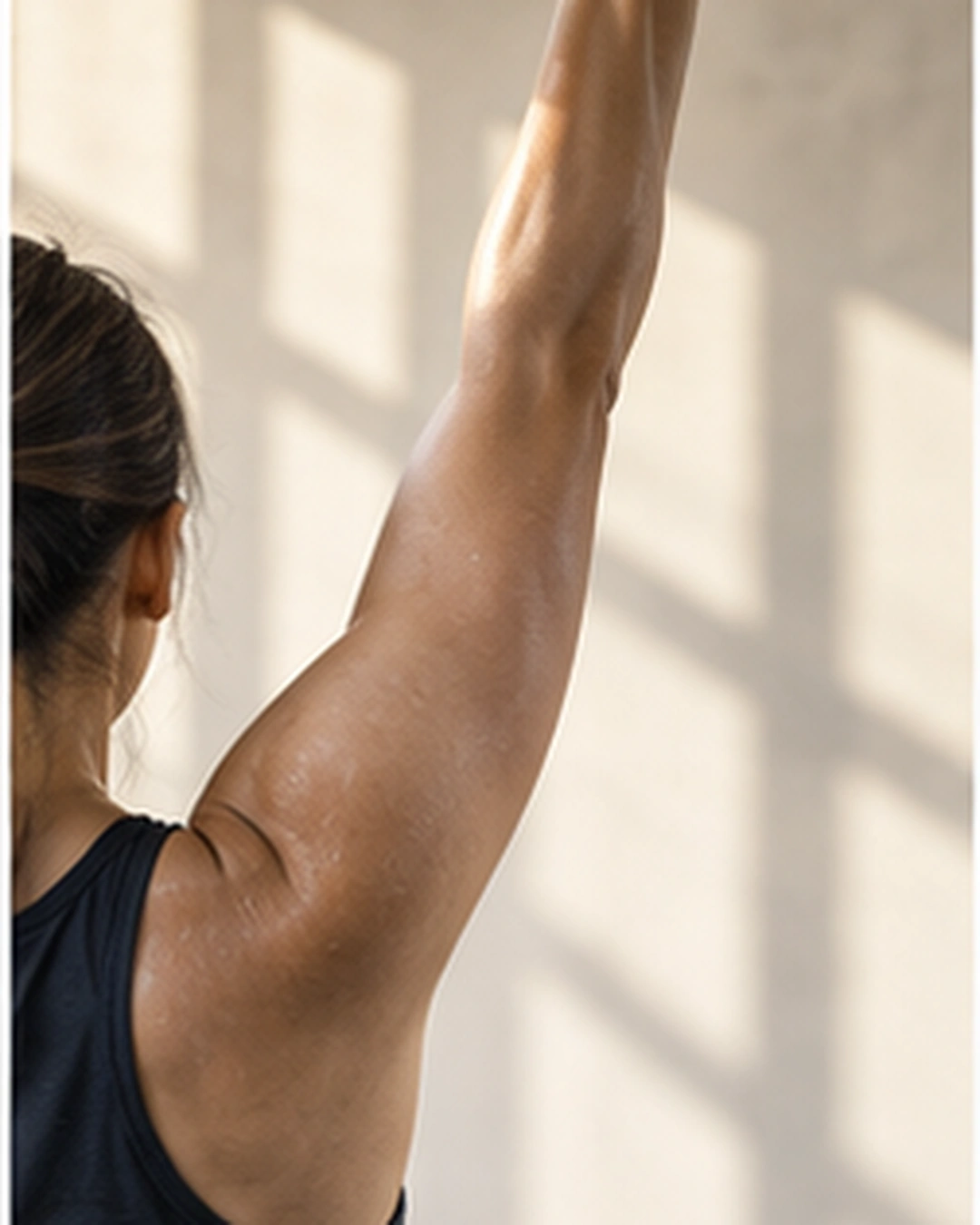
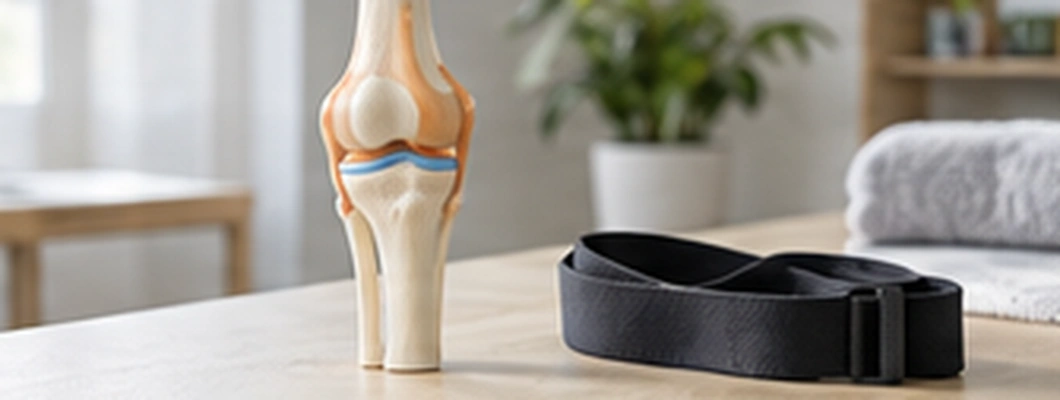
Range of motion is how far a joint moves from one end to the other. It is shortened to ROM. A joint is a place where bones meet and connect, like the elbow or knee, where the body bends and straightens.

It is measured as an angle
A protractor-like tool is placed on the joint
Range of motion is usually given as an angle. A specialist such as a physical therapist places a joint protractor (goniometer) on the joint and measures how many degrees it moves from the starting position to the end. The larger the angle, the wider that joint moves.

What sets the range?
The shape of the joint and the ligaments
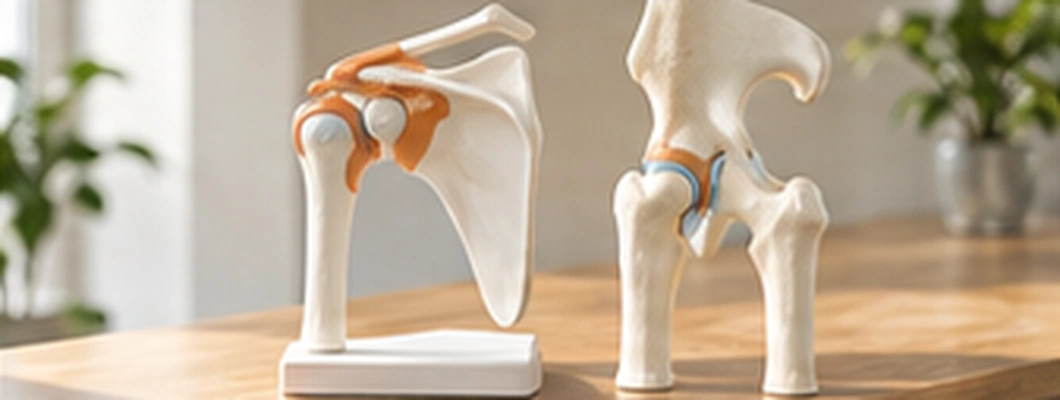
Range of motion is first set by the shape of the joint. The shoulder moves very widely because a round, ball-like bone sits in a shallow socket, while the hip, where the leg joins the body, moves less because its socket is deep. 'Ligaments', tough bands that connect bone to bone, also limit the range so the joint does not move too far.
When the range shrinks
Swelling, pain, stiffness, and age
When the area around a joint swells or hurts, or when ligaments and muscles become stiff, range of motion shrinks. Age also matters. In a U.S. Centers for Disease Control and Prevention study of healthy people, the range of motion of almost every joint decreased with age.

How it relates to flexibility
Flexibility is measured as range of motion
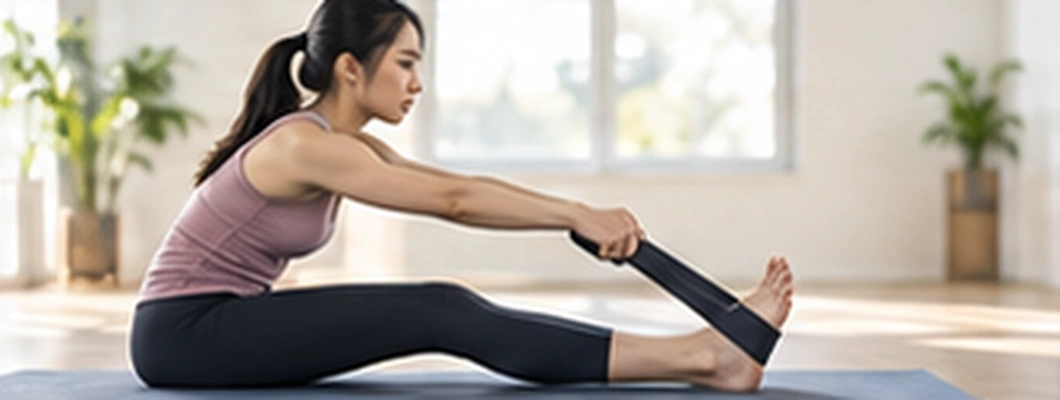
Saying someone is 'flexible' means their joints move through a wide range. U.S. health authorities define flexibility as 'the range of motion available at a joint or group of joints'. Stretching is the classic exercise for widening this range.
Range of motion in strength training
How far the joint moves during one exercise
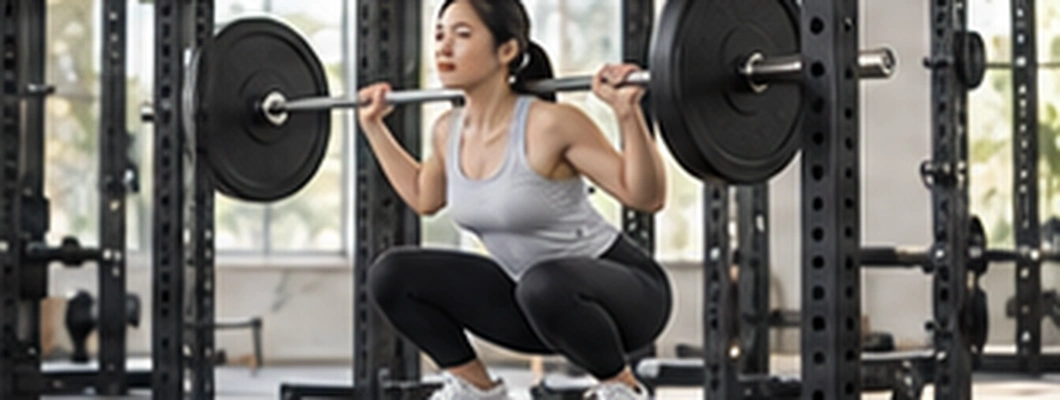
In strength training, range of motion means how far a joint moves during one exercise. Using the whole range the joint normally moves through in that exercise is 'full range of motion', and using only part of it is 'partial range of motion'. In a squat, sitting down deep and standing up is full, while sitting down only a little is partial.

Strength grows at the angles you train
Full range raised strength more
Strength mostly increases at the joint angles you train. That is why training with full range of motion raised strength more than training with partial range of motion. The American College of Sports Medicine also lists full range of motion as a way to build strength.
Strength training widens the range too
No different from stretching
Regular strength training widened range of motion. The amount it widened did not differ from stretching. However, strength training using only body weight did not clearly widen range of motion.

A common misconception
Are deep squats bad for your knees?
Many people worry that deep squats damage the knees. However, studies of people who do strength training found almost no cases of knees getting worse from deep squats done with proper form. The pressure behind the kneecap was highest when the knee was bent at about a right angle, and it actually dropped when bending deeper.

Summary
How far a joint moves from one end to the other
Range of motion is how far a joint moves from one end to the other, usually measured as an angle. There were almost no findings that deep squats done with proper form harm the knees. Related terms: flexibility, stretching, squat.
The more you know, the more you grow.PHYSIQUE NEWS