In one line
Electrolytes are minerals that carry an electric charge in body fluids; they control the body's water and let nerves and muscles send signals.
What are electrolytes?
A word on sports drinks and blood test results
You see the word 'electrolytes' on sports drink bottles and on blood test reports from health checkups. This post explains what electrolytes are, what kinds there are, what they do in the body, and how their balance is kept.

In one line
Minerals that carry an electric charge in water
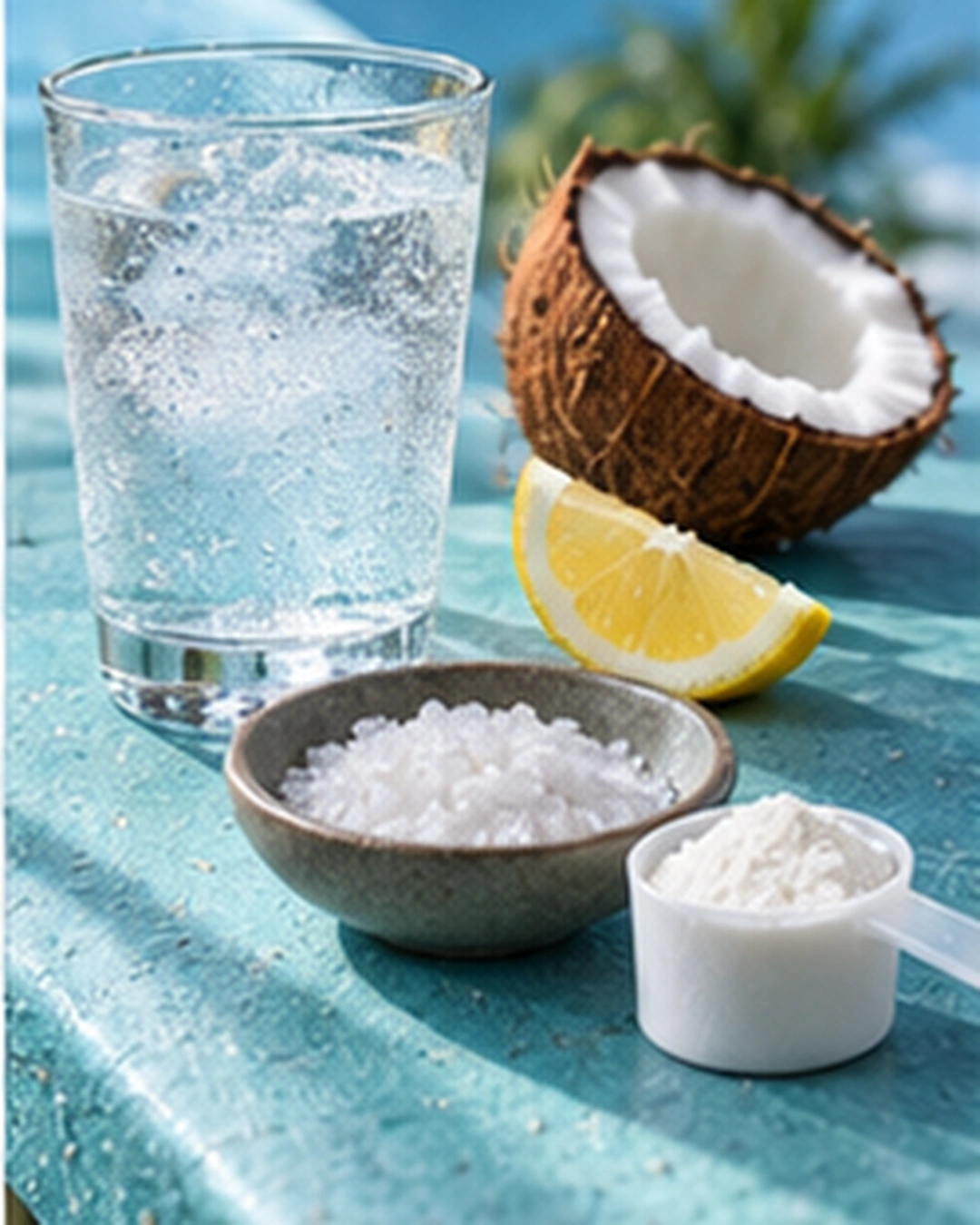
Electrolytes are minerals (elements the body needs, such as calcium and sodium) that carry an electric charge when dissolved in body fluids such as blood, urine and sweat. Sodium and potassium are typical examples. The body uses electrolytes to control the amount of water in the body and to let nerves and muscles work.
What carrying a charge means
Salt splits in two when it dissolves
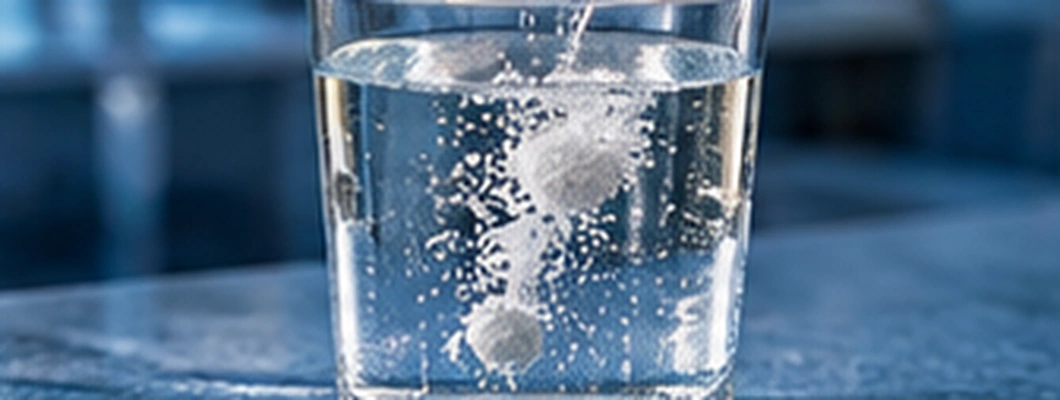
When you put salt (sodium chloride) in water, the grains disappear as they split into sodium and chloride pieces that spread through the water. Each piece carries a + or − electric charge, and such pieces are called 'ions'. Water with ions dissolved in it conducts electricity.

The main electrolytes in the body
Sodium, potassium, chloride, calcium and more
The main electrolytes in the body are sodium, potassium, chloride, calcium, magnesium, phosphate and bicarbonate. Of these, phosphate works with calcium to build bones and teeth. All of them come in through food and drinks, and plain water has almost no electrolytes.

Job 1: controlling water
Water moves toward the more concentrated side
Sodium is mostly in the fluid outside cells, and potassium is mostly inside cells. Water moves toward the side where more is dissolved. So where electrolytes are, and how much, decides where the body's water stays, inside or outside cells.
Job 2: nerve and muscle signals
Nerves and muscles work with electric signals
Nerve and muscle cells make and pass on electric signals using the difference in ions inside and outside the cell. Potassium is the main electrolyte that sets up the base for these signals. That is why, when potassium in the blood gets too high, the heart cannot beat properly.

Job 3: controlling acidity
Bicarbonate keeps blood acidity in check
How sour (acidic) or the opposite (alkaline) something is, is called its 'acidity (pH)'. The electrolyte 'bicarbonate' helps keep the blood's acidity at the right level. Bicarbonate also carries carbon dioxide made in the body to the lungs.
Who keeps the balance
The kidneys adjust the amount through urine
Electrolytes come in through food and drinks and leave through urine and sweat. Matching what comes in with what goes out is mainly the kidneys' job. When there is extra sodium, the kidneys send more out in urine, and when it is short, they take it back.
Sweat and electrolytes
Sweat tastes salty because of sodium and chloride
The electrolytes found most in sweat are sodium and chloride, the two pieces of salt. Potassium is much lower, and calcium and magnesium are present only in tiny amounts. The amount of sodium in sweat differs a lot from person to person.

When the balance breaks
Nausea, muscle cramps, irregular heartbeat
Having too little or too much of an electrolyte is called an 'electrolyte imbalance'. It happens with severe vomiting or diarrhea, very heavy sweating, or drinking too much water. Signs include nausea, muscle weakness or cramps and an irregular heartbeat, and it is measured with a blood test.

A common misunderstanding
Is drinking more water during exercise always better?
No. Drinking far more than thirst calls for during long exercise dilutes the sodium in the blood. This is called 'exercise-associated hyponatremia', and deaths have occurred in marathons and other events. Experts advise drinking when thirsty.

Summary
Minerals that carry an electric charge in water
Electrolytes are minerals that carry an electric charge in body fluids; they control water and acidity and let nerves and muscles send signals. During long exercise, more water is not always better: drinking too much dilutes the sodium in the blood. Related terms: sodium, ions, hyponatremia.

The more you know, the more you grow.PHYSIQUE NEWS