In one line
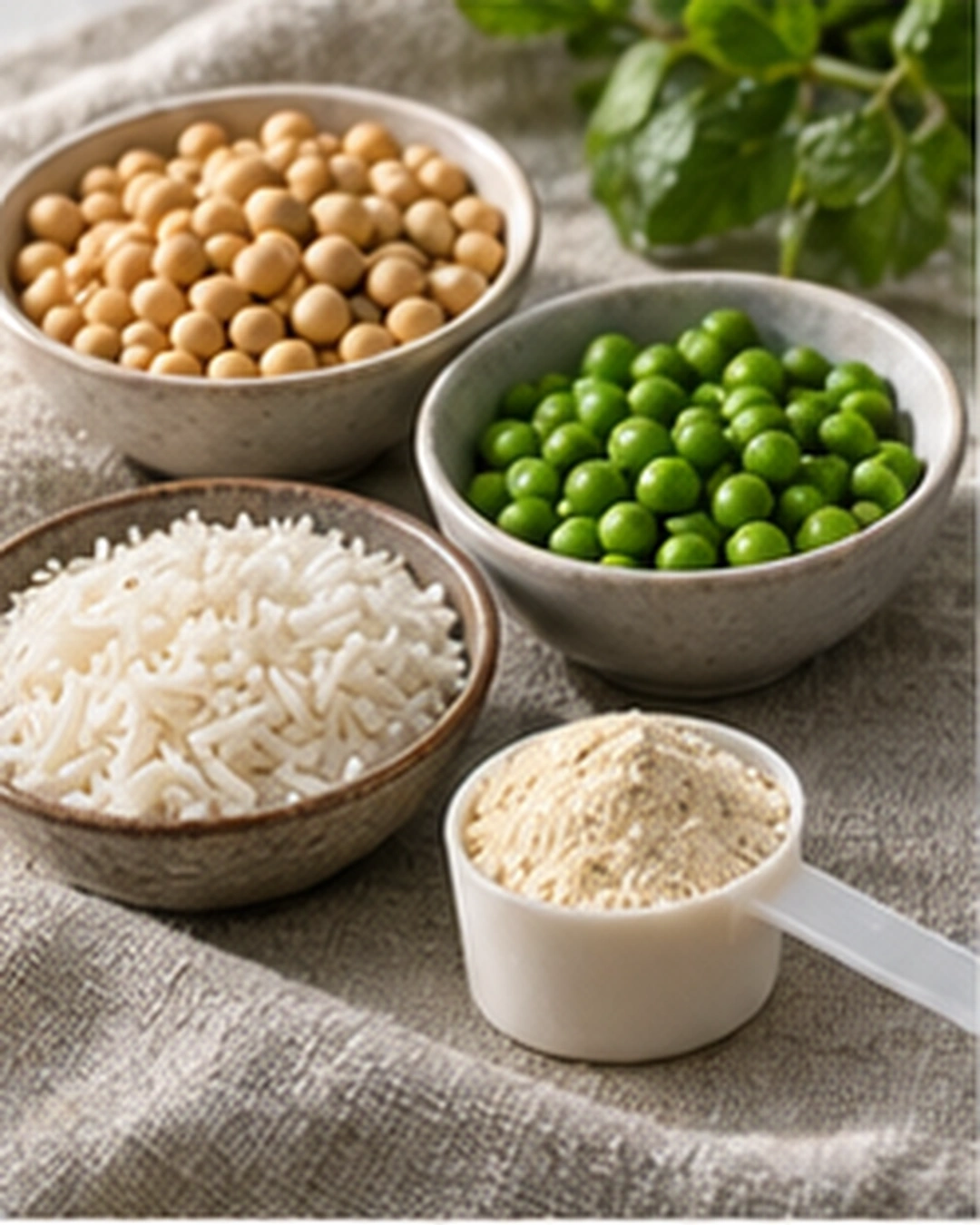
Plant protein is the protein found in plants such as soybeans, peas and rice, or a powder made by collecting only the protein from those plants.
What is plant protein (soy, pea and rice protein)?
Protein powder made from plants instead of milk
Some protein powders are made from soybeans, peas or rice instead of milk. They are often called 'plant protein' or 'vegan protein'. Let's go through what they are made from, how they are made and how the plants differ.
In one line
Protein in plants, or a powder of just that protein
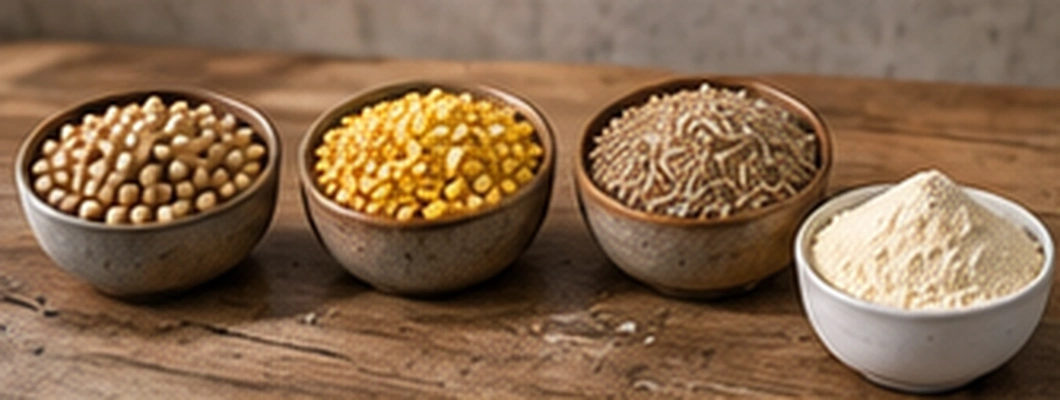
Plant protein is the protein found in plants such as soybeans, peas and rice. What is sold as a supplement is a powder made by collecting only the protein from these plants and drying it. Depending on the source, it is called soy protein, pea protein or rice protein.
First, protein and amino acids
20 kinds of beads, 9 of them must come from food
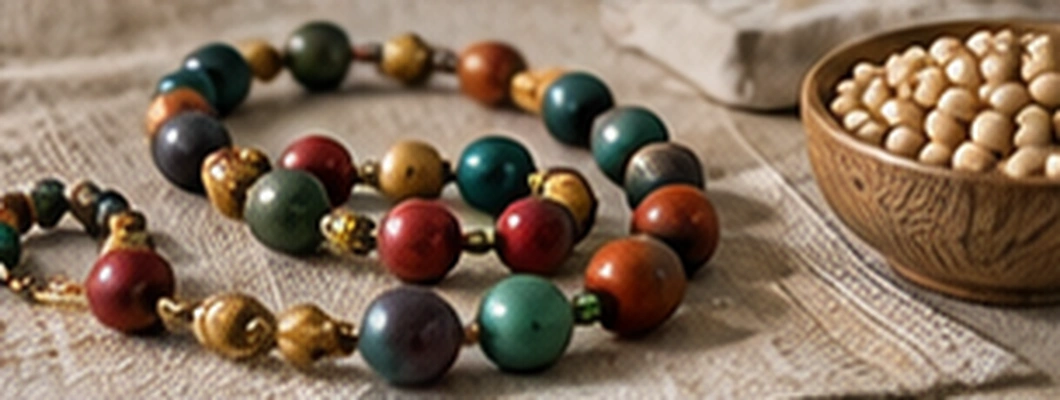
A protein is a long chain of tiny beads called 'amino acids', and there are 20 kinds of amino acids. Your body cannot make 9 of them, so they must come from food. These 9 are called 'essential amino acids'.
Plants have plenty of protein too
About 36 g in 100 g of dried soybeans
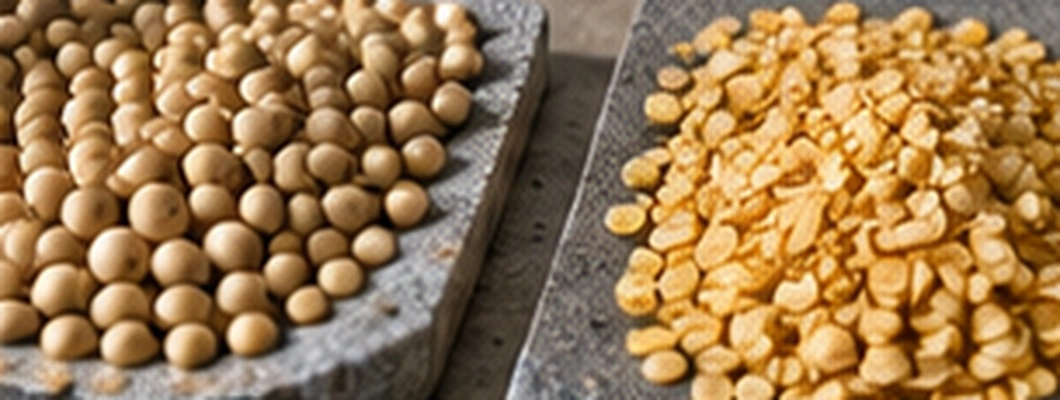
Protein is not only in meat and milk. 100 g of dried soybeans has about 36 g of protein, and 100 g of dried peas has about 23 g. Collecting only the protein from these plants gives you protein powder.
How it is made
Dissolve, filter, then make it clump
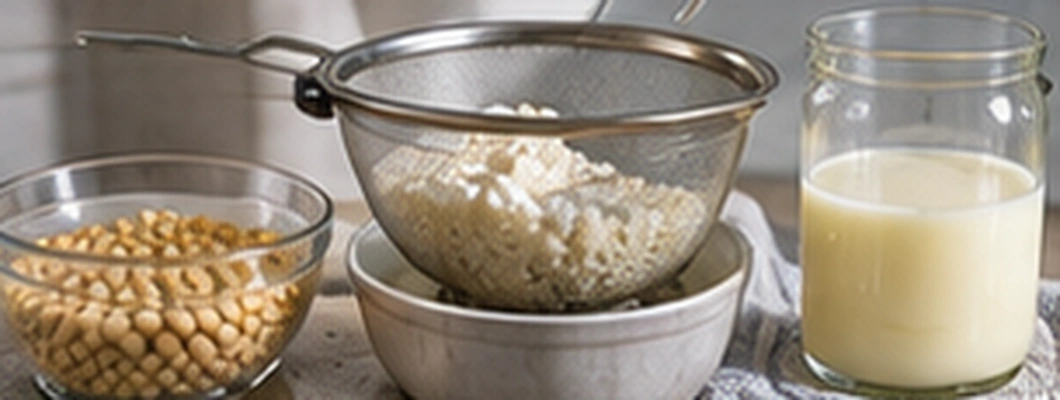
When soybeans or peas are put in slightly alkaline water, the protein dissolves out while starch and fiber stay undissolved. 'Alkaline' is the opposite of acidic; seawater is slightly alkaline. The leftover solids are filtered out, then acid is added so the dissolved protein clumps and sinks, and this is collected and dried.
The powder is more concentrated
About 88 g of protein in 100 g of soy protein powder
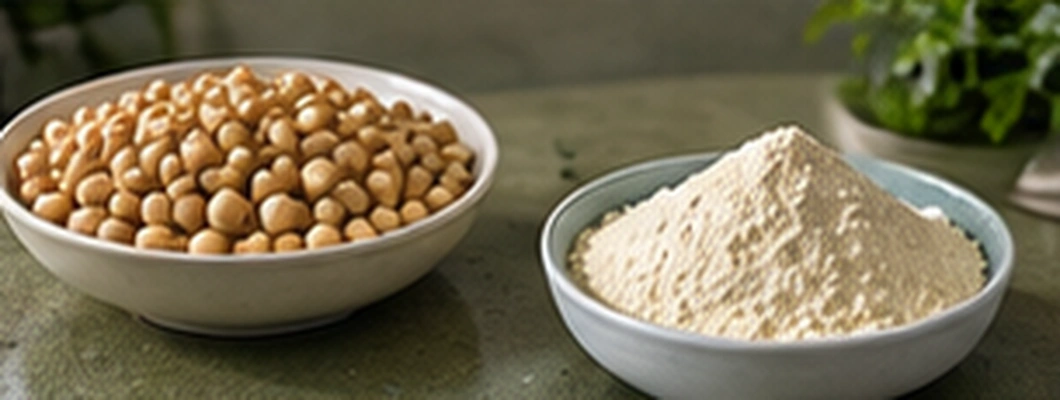
The powder made this way has a much higher share of protein than the original soybeans. 100 g of soy protein powder has about 88 g of protein. When store-bought pea and rice (brown rice) protein powders were tested, about 80% of their weight was protein.
Each plant is low in a different amino acid
Rice in 'lysine', soy and pea in 'methionine'
Soy, pea and rice protein all contain all 9 essential amino acids, but the amounts differ by type. Rice (brown rice) protein is low in the essential amino acid 'lysine', and soy and pea protein are low in another essential amino acid, 'methionine'.
That is why they are mixed
Pea and rice fill each other's gaps
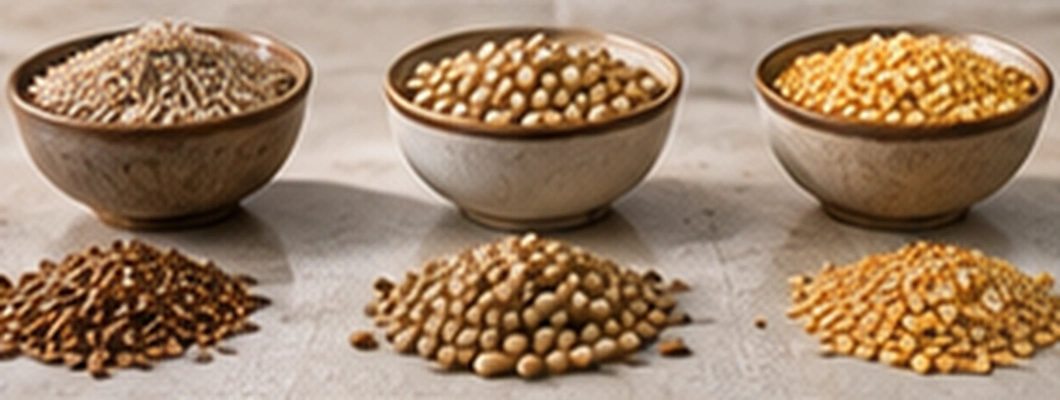
Mixing half pea, which has plenty of lysine, with half rice (brown rice), which has plenty of methionine, gives a protein with a good amount of both. Rice cooked with beans works the same way: the beans add the lysine that grains lack.
Milk and soy allergies and plant protein
Pea and rice are not on the major allergen list
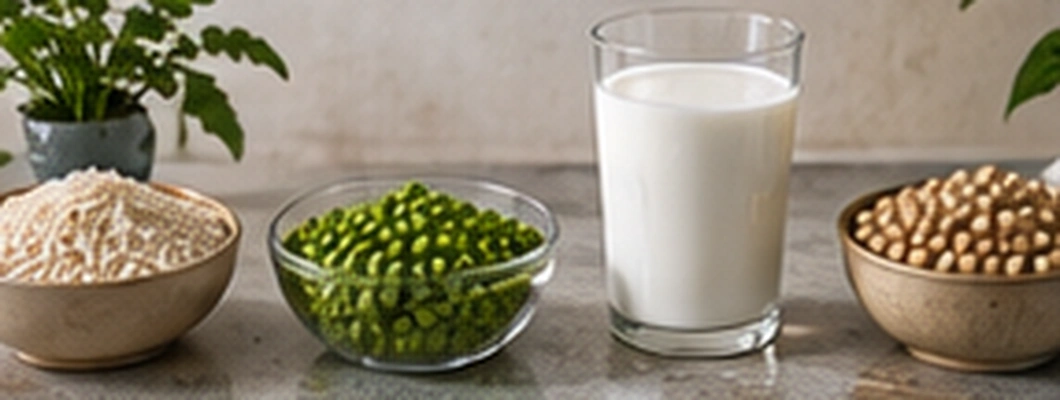
The US Food and Drug Administration names 9 foods that most often cause food allergies as 'major food allergens'. Milk and soybeans are among these 9. Peas and rice are not on this list.
Common misconception
Do you have to pair them in the same meal?
There is a saying that plant proteins are 'incomplete', so you must pair them, like beans and rice, in the same meal. But pairs do not have to be eaten in the same meal; eating a variety of plants over the day is enough. A diet based on only one plant food, however, falls short.
Summary
Protein collected from plants
Plant protein is the protein in plants such as soybeans, peas and rice, and the supplement is a powder of just that protein. Each plant is low in a different essential amino acid, but you do not need to pair them in one meal; eating a variety over the day is enough. Related terms: EAAs (essential amino acids), amino acids
The more you know, the more you grow.PHYSIQUE NEWS