In one line
Diuretics are drugs that make the kidneys produce more urine, sending water and salt out of the body.
What are diuretics?
The drugs behind pre-contest 'water cutting'
When people talk about cutting water before a bodybuilding contest, 'diuretics' come up. But diuretics are actually medicines that doctors commonly prescribe. What exactly are they, and what do they do in the body?
In short
Drugs that boost urine to remove water and salt
Diuretics are drugs that make the kidneys produce more urine, sending water and salt out of the body. The Korean name for them means 'making urine flow well'. In English they are also called 'water pills'.
What the kidneys do
They filter blood to make urine
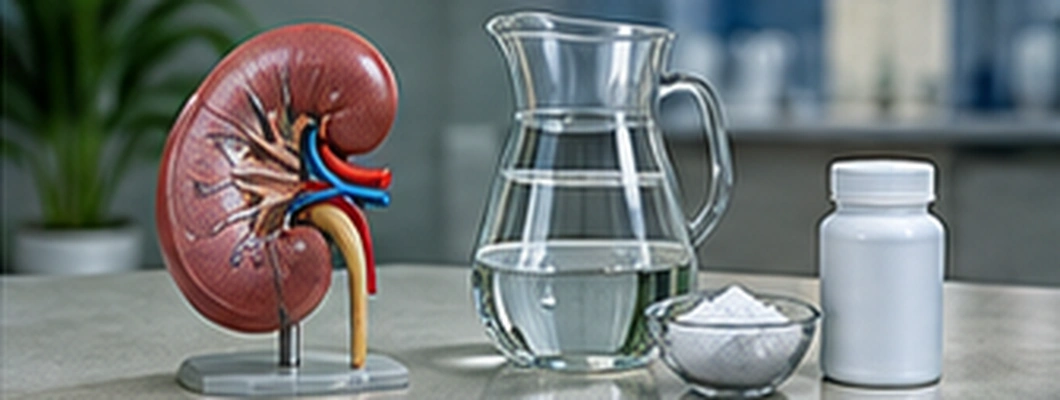
The kidneys are two fist-sized organs just below the rib cage, one on each side of the spine. They filter the blood, turning wastes and extra water into urine, and take back almost all of the water and minerals the body needs. So only a small part of the fluid the kidneys filter becomes urine.
How they work
They stop salt from being taken back
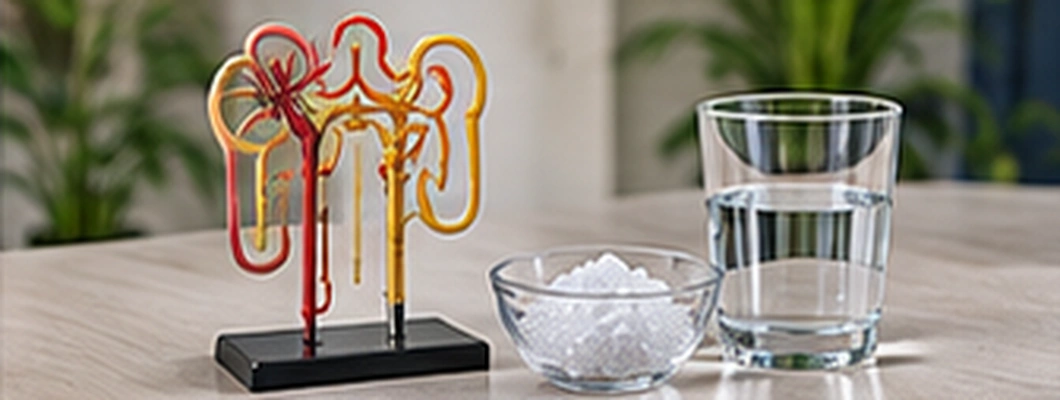
Diuretics stop the kidneys from taking back the salt they have filtered out. More salt then leaves in the urine, water leaves along with it, and urine increases. As a result, the amount of water in the blood goes down.
Medical uses
For high blood pressure, swelling and heart disease
Doctors prescribe diuretics for high blood pressure, edema (swelling from fluid building up in the body) and heart failure (when the heart cannot pump blood well and fluid builds up). With less water in the blood, the heart has less blood to pump and blood pressure goes down.

What is potassium?
A mineral that keeps the heartbeat steady
Potassium is a mineral the body needs to work properly. It helps nerves work and muscles contract, and it is needed to keep the heartbeat regular. Potassium comes from food, and the kidneys send any extra out in the urine.

Types
Drugs that remove potassium and drugs that keep it
Diuretics come in several types, depending on which part of the kidney they act on. Most diuretics remove potassium in the urine along with salt. The type called potassium-sparing diuretics does the opposite and keeps potassium in the body.

Why they come up at the gym
Sharper-looking muscles right before a contest
Some bodybuilders use diuretics right before a contest to make their muscles look sharper. In sports with weight classes, people use them to drop weight fast, and also to dilute urine so other banned drugs are harder to detect. That is why the World Anti-Doping Agency bans diuretics at all times.

Risk one
Dehydration: losing too much water
Dehydration is when the body has lost too much water. It makes you very thirsty, dizzy and tired. Exercising while dehydrated by diuretics puts a heavy load on the heart and on body-temperature control, and lowers strength and endurance.

Risk two
When potassium swings, the heartbeat swings
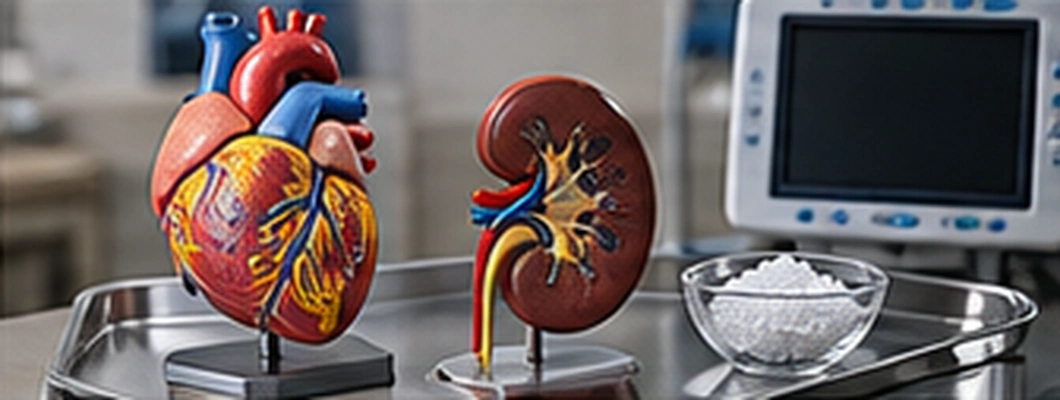
When potassium gets too low, muscle cramps and heartbeat problems appear, and a very low level can even stop the heart. Overusing potassium-sparing diuretics does the opposite: potassium gets too high and the heartbeat becomes dangerously irregular. A young bodybuilder using this kind of diuretic along with other drugs and potassium supplements collapsed with a heart attack while his potassium was high.
Common myth
Is the weight lost with diuretics real fat loss?
No. People who want to lose weight often misuse diuretics, but what diuretics send out of the body is water and salt. The weight lost with diuretics is the weight of the water that left, so the drop is only temporary.
Summary
Drugs that remove water and salt, not fat
Diuretics are drugs that make the kidneys produce more urine to remove water and salt, and they were made to treat high blood pressure and edema. Weight lost with diuretics is water weight, and overuse can endanger the heart through dehydration and potassium problems. Related terms: potassium, dehydration, World Anti-Doping Agency prohibited list.
The more you know, the more you grow.PHYSIQUE NEWS