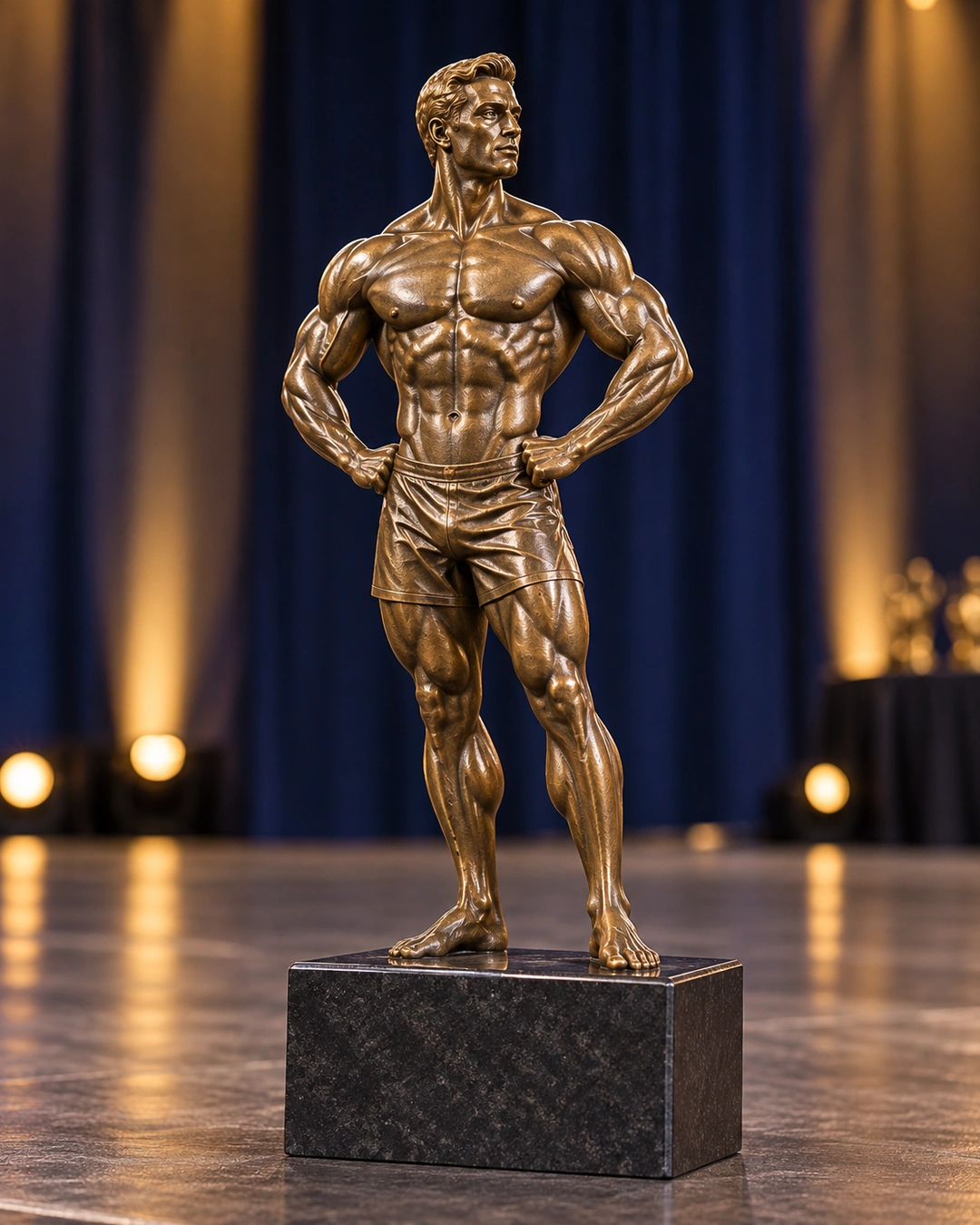
In one line
The bodybuilding division is a contest in which competitors show the size, balance and sharpness of their muscles on stage, and judges rank them by comparing what they see.
What is the bodybuilding division?
The stage that shows muscle size to the extreme
A bodybuilding show runs several divisions at once. One of them has the same name as the show itself: bodybuilding. This post explains what the bodybuilding division, as a contest category, is about.

In one line
A contest of showing muscle on stage
The bodybuilding division is a contest where competitors show their muscles on stage and judges rank them by how they look. Judges look at how big the muscles are, how evenly the whole body is developed and how clearly each muscle's shape shows.
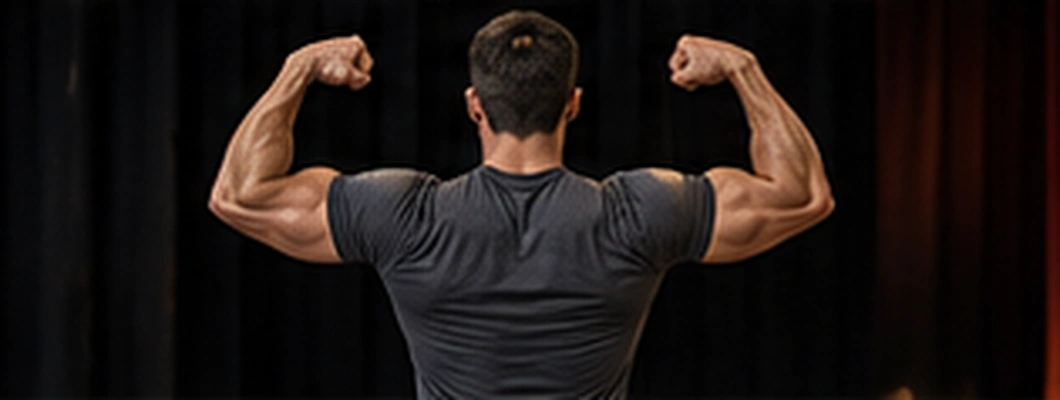
One word, two meanings
A type of training and a contest division
The Korean standard dictionary defines bodybuilding as 'developing muscles using exercise equipment'. In that sense it simply means the strength training people do at the gym. At a show, it is also the name of one of several divisions that compare bodies built by this training.
Not a lifting contest
It is about how the body looks
Nobody lifts weights or sets records at a bodybuilding show. Judges look at the competitors' bodies and rank them by comparing them side by side. The contest is about appearance and posing skill, not strength.

What judges look at
Size, balance, density and definition
Judges scan from head to toe and look at muscle size. They also check whether the upper and lower body and the left and right sides are evenly developed (balance), and whether the muscles look hard and full (density). How clearly the borders between muscles show is called 'definition'.

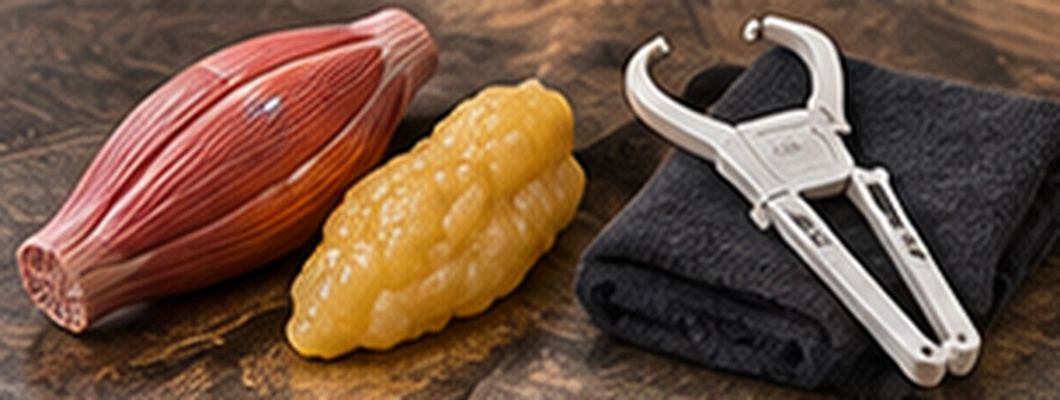
Definition and fat
Borders only show when fat is very low
For the borders between muscles to show clearly, body fat has to be very low. That is why contest preparation means cutting body fat a lot while keeping muscle. IFBB rules list an excessive body fat level as a reason for the chief judge to remove a competitor from the stage.
Mandatory poses and comparisons
The same pose, side by side
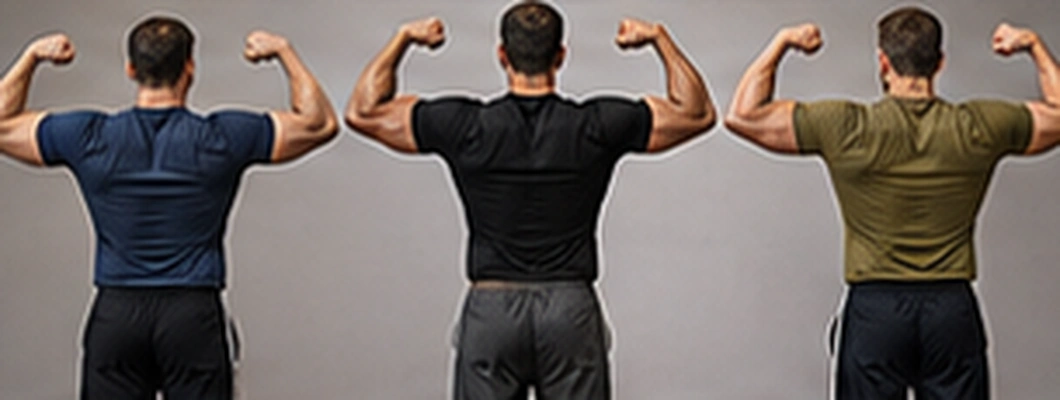
Competitors perform the 7 or 8 'mandatory poses' set by the federation, one after another. Each pose shows set muscles, like the pose where both arms are raised to shoulder height, bent, and the front arm muscles are flexed. Judges call competitors out a few at a time and compare them in the same pose.
What they wear
One-color trunks and bare feet
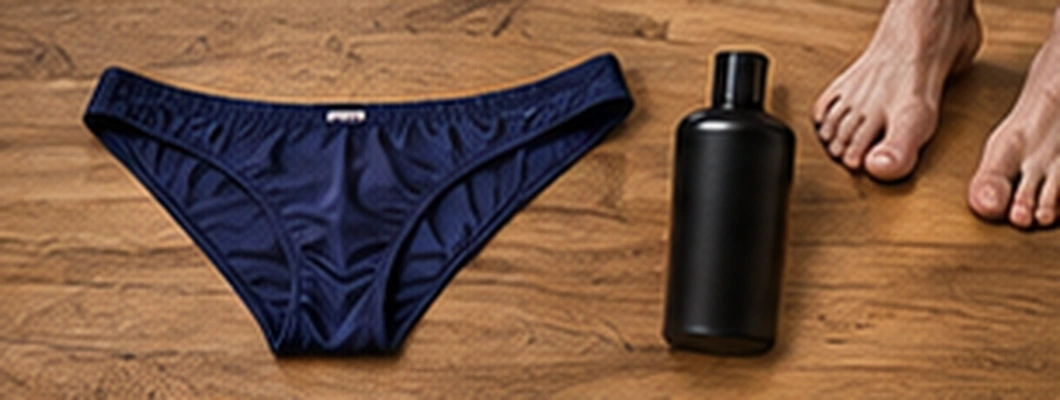
Competitors go on stage shirtless and barefoot, wearing only short one-color posing trunks. Padding inside the trunks and jewelry such as watches or necklaces are not allowed. Tanning products must give a natural tanned color, and products that rub off are banned.
Weight classes
Competitors are grouped by body weight
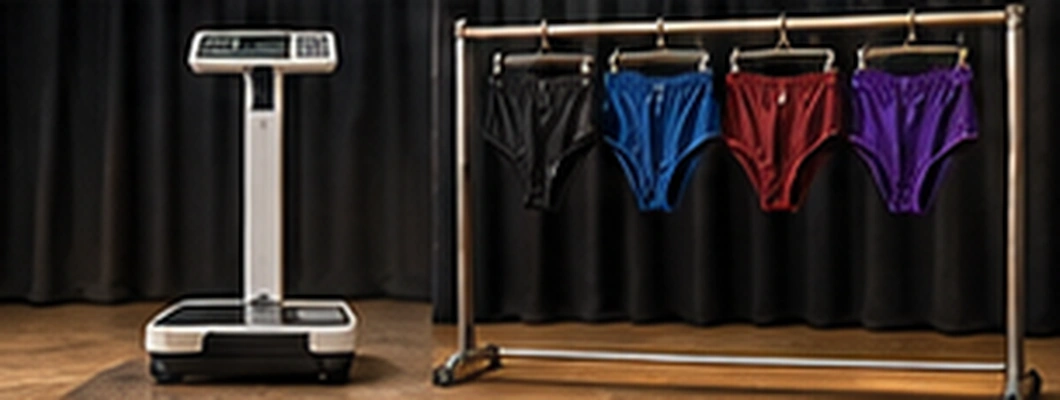
Bodybuilding splits competitors into weight classes. At the world championships of the International Fitness and Bodybuilding Federation (IFBB) there are 9 weight classes, from 65 kg and under up to over 100 kg, plus separate height classes. Smaller shows with few entrants run fewer classes or merge them.
The root of other divisions
The other physique divisions came later
Bodybuilding was originally the name of the whole sport. Now it is one division among many, and divisions such as classic physique, men's physique and bikini appeared in the 2010s. Of these, bodybuilding is the one that shows muscle size to the most extreme degree.

A common misconception
Does the biggest always win?
No. The rules tell judges to look at overall balance, symmetry, density and definition along with size. Between similar competitors, places are decided by small differences such as good posture, shoulder-to-waist proportions and skin condition.
Summary
A stage for size, balance and definition
The bodybuilding division is a contest where competitors show muscle size, balance and definition on stage and judges rank them by eye. Size alone does not win; judges also check whether the whole body is even and sharp. Related terms: mandatory poses, weight classes, classic physique.

The more you know, the more you grow.PHYSIQUE NEWS