In one line
Insulin is a hormone made by the pancreas that moves glucose from the blood into cells and so lowers blood sugar.
What is insulin?
The word that always comes up with blood sugar and diabetes
Insulin always comes up when people talk about diabetes. At the gym you also hear things like 'insulin matters after training' or 'insulin makes you fat'. What exactly is insulin, and what does it do in the body?

In one line
A hormone that moves sugar from the blood into cells
Insulin is a hormone, a substance that carries signals inside the body. When eating raises the sugar in your blood, insulin is released and lets that sugar enter the body's cells. As a result, the amount of sugar in the blood comes back down.

What a hormone is
A chemical signal that travels in the blood
A hormone is a substance made in one part of the body that travels around the body in the blood and tells a distant organ what to do. It works more slowly than a nerve signal, but its effect lasts longer. Also, having too much or too little of a hormone causes problems.

What blood sugar is
The amount of glucose in the blood
Carbohydrate foods such as rice, bread and fruit are digested into a sugar called 'glucose', which enters the blood. Glucose is the most important energy source for the body's cells. The amount of glucose in the blood is called 'blood sugar'.

Where it is made
The pancreas, behind the stomach
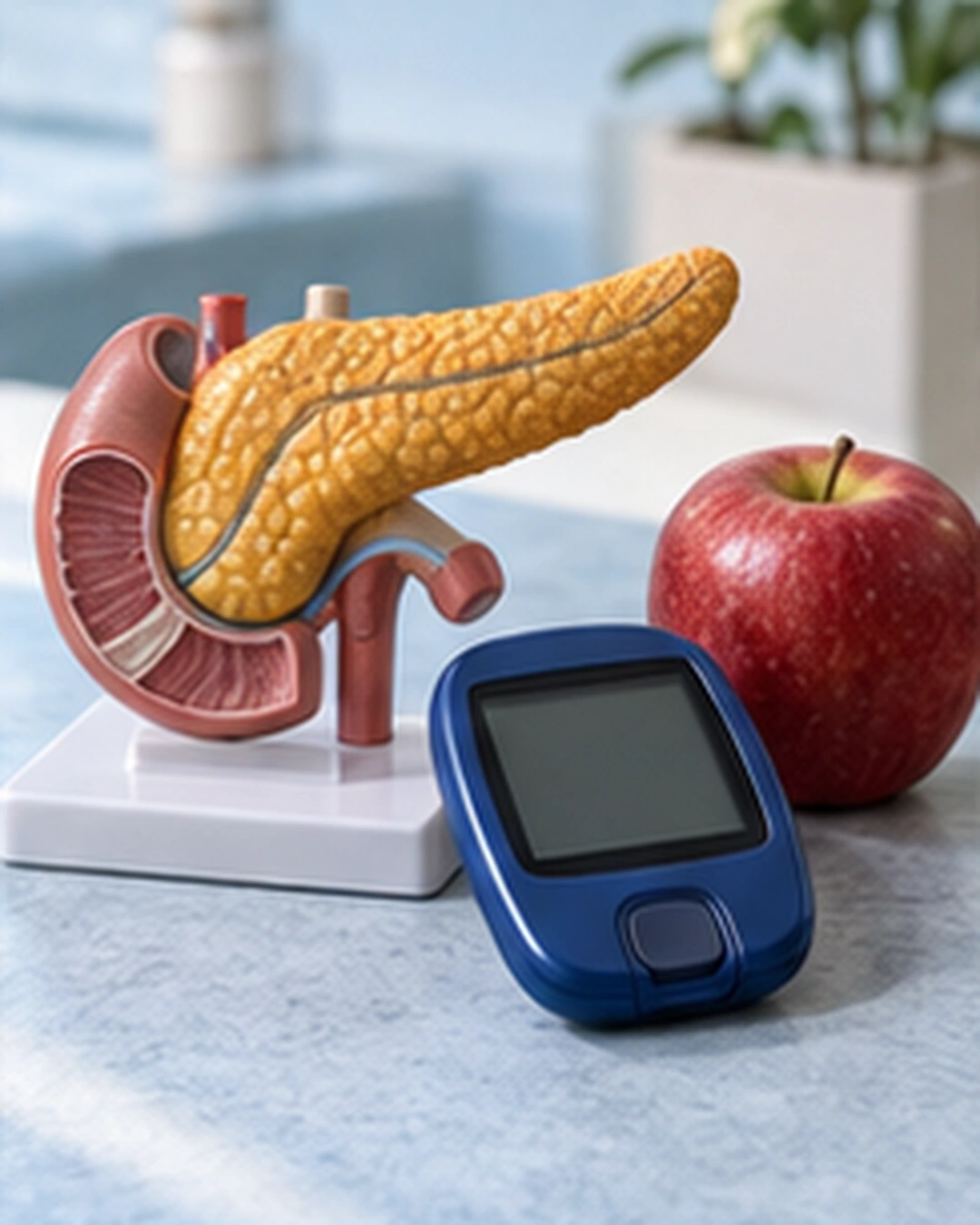
Insulin is made in the 'pancreas', a long organ lying across the body behind the stomach. The pancreas also makes juices that digest food, but small clusters of cells scattered inside it make hormones.

What it does
It rises when blood sugar rises and drops when it falls
After a meal, blood sugar rises, and the pancreas senses this and releases insulin. Insulin lets glucose move from the blood into cells, and the cells use it for energy. As blood sugar falls, the pancreas releases less insulin.

Muscle and insulin
Muscle is where insulin does most of its work
Insulin works mainly on muscle and fat cells. In experiments that kept insulin high, muscle took about 80% of the glucose that left the blood. In that setting, muscle did the biggest share of the work of lowering blood sugar.

Storing extra glucose
It is stored as glycogen and fat
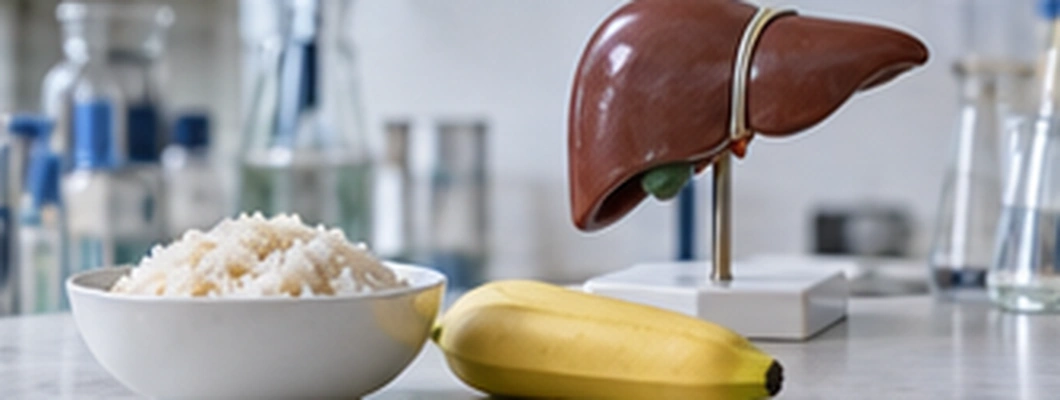
Glucose that is not used right away gets stored. The liver and muscles store it as 'glycogen', many glucose units linked together, and anything left over is turned into fat and stored in fat cells. Insulin pushes the body toward this storing.
Too little, or not working
Diabetes, where blood sugar stays high
When the body can barely make insulin, the result is 'type 1 diabetes'. When insulin is there but cells do not respond well, it is called 'insulin resistance', and this mainly leads to 'type 2 diabetes'. Either way, glucose has trouble getting into cells and blood sugar stays high.

Exercise and insulin
Working muscle takes in glucose by another route
Working muscle takes in glucose using signals different from the ones insulin turns on. So even muscle that responds poorly to insulin keeps its ability to take in glucose during exercise. Exercise raises the glucose that muscle takes in by up to 50 times.

Common myth
Is insulin a bad hormone that makes you fat?
It is true that insulin makes the body store extra glucose as fat. But it is a hormone you need to stay alive. In type 1 diabetes, where the body can barely make insulin, cells cannot use glucose for energy, so people actually lose weight for no clear reason, and most of them take insulin every day to stay alive. Insulin is the hormone that lets the body use and store nutrients.

Summary
A hormone that lowers blood sugar and stores nutrients
Insulin is a hormone made by the pancreas that moves glucose from the blood into cells and so lowers blood sugar. It makes the body store extra nutrients, but it is not a bad hormone; it is an essential one you cannot live without. Related words: blood sugar, insulin resistance, glucagon, GI (glycemic index).

The more you know, the more you grow.PHYSIQUE NEWS