In one line
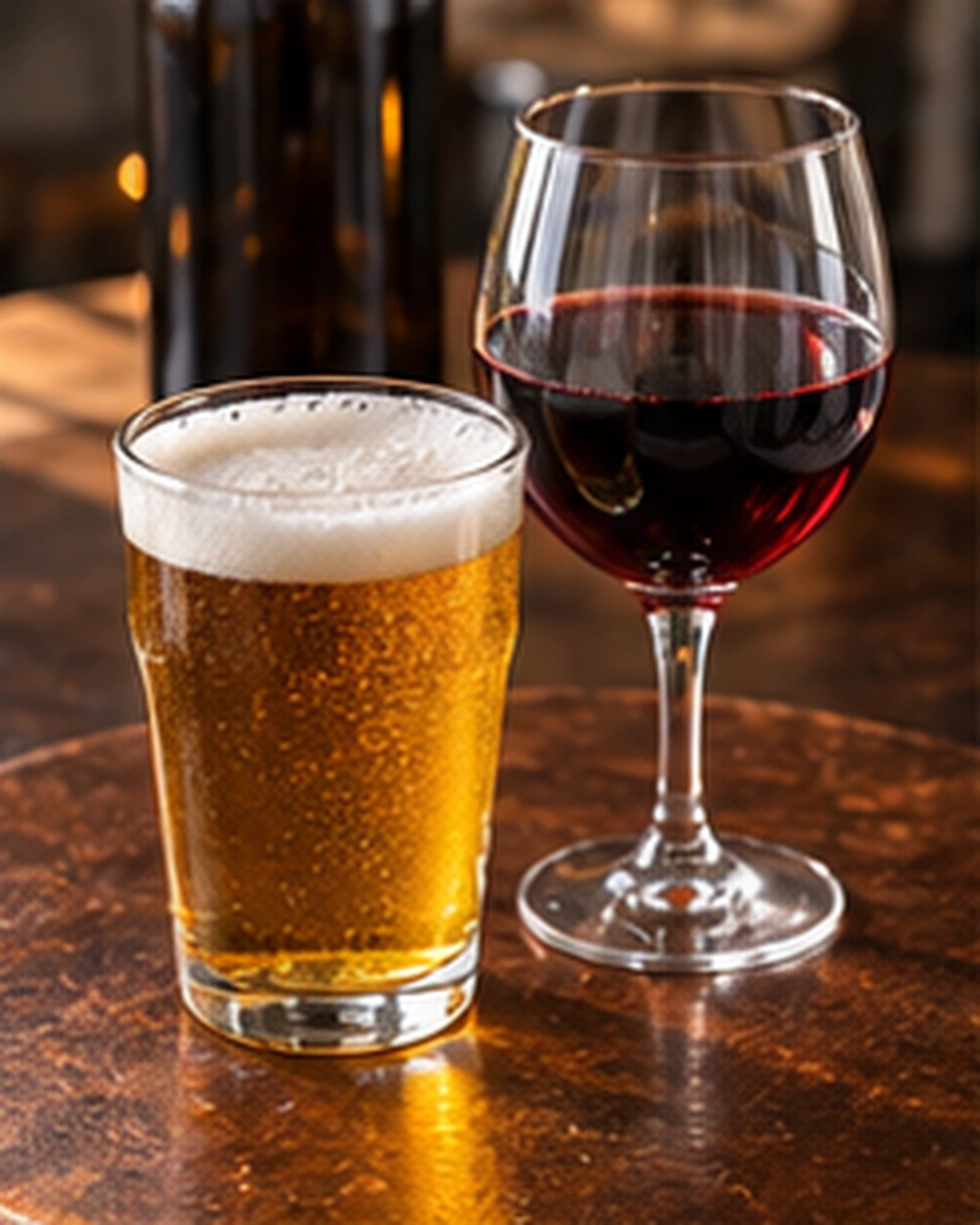
The calories in an alcoholic drink are the energy it gives the body: the calories from the alcohol itself plus those from other parts of the drink, such as sugar.
What are the calories in alcoholic drinks?
What '360ml (○○○kcal)' on a bottle means
These days some soju and beer bottles list calories next to the volume. Alcohol is not rice or meat, so where do its calories come from, and how many are there?
In one line
The energy you take in when you drink
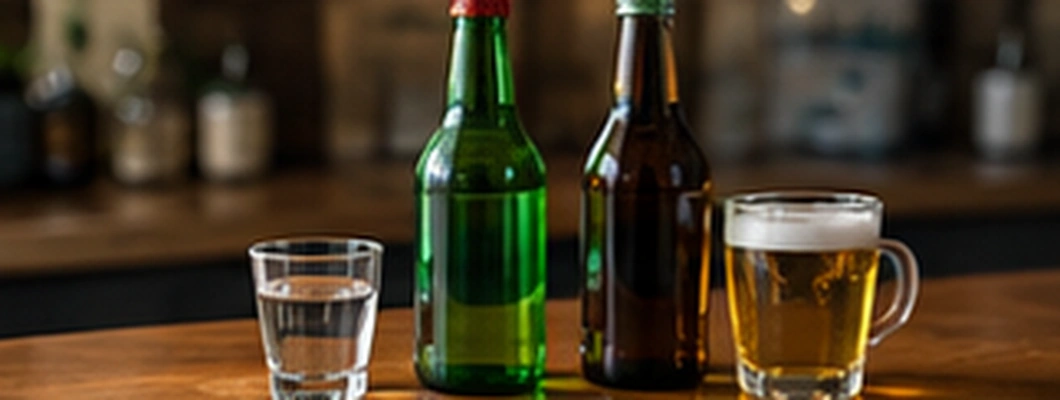
The calories in a drink are the amount of energy the body takes in when you drink it. They are the calories from the alcohol in the drink plus the calories from other parts left in it, such as sugar.
1 g of alcohol is about 7 kcal
More than carbohydrate, less than fat
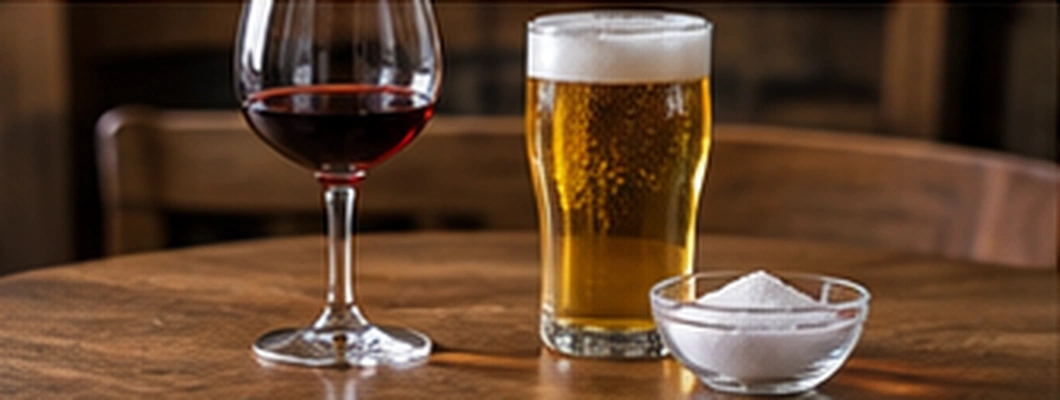
The energy alcohol gives the body is more than the same weight of carbohydrate or protein (4 kcal) and less than fat (9 kcal). Korean and European food labeling rules also count alcohol at this value.
An energy source outside the macronutrients
So it is added separately
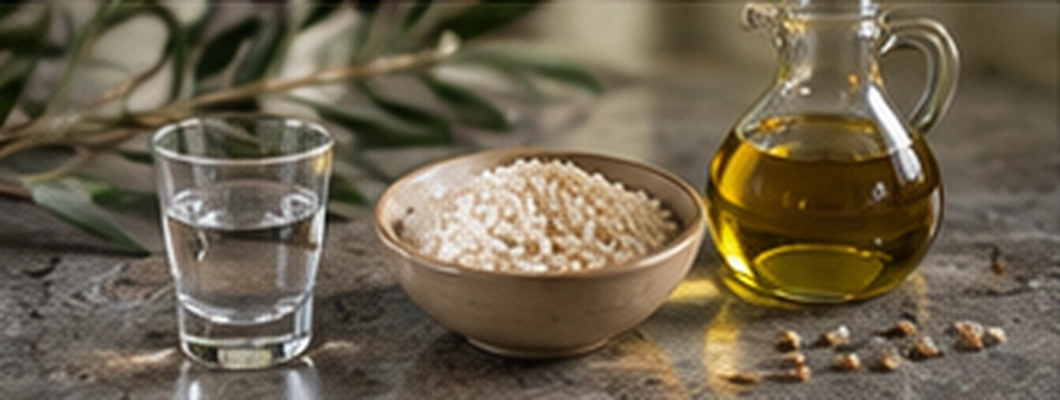
Alcohol is not one of carbohydrate, protein and fat, the three macronutrients. But because it still gives the body energy, food calorie counts add the alcohol share separately from the three macronutrients.
What alcohol strength (ABV) is
The share of the drink's volume that is alcohol
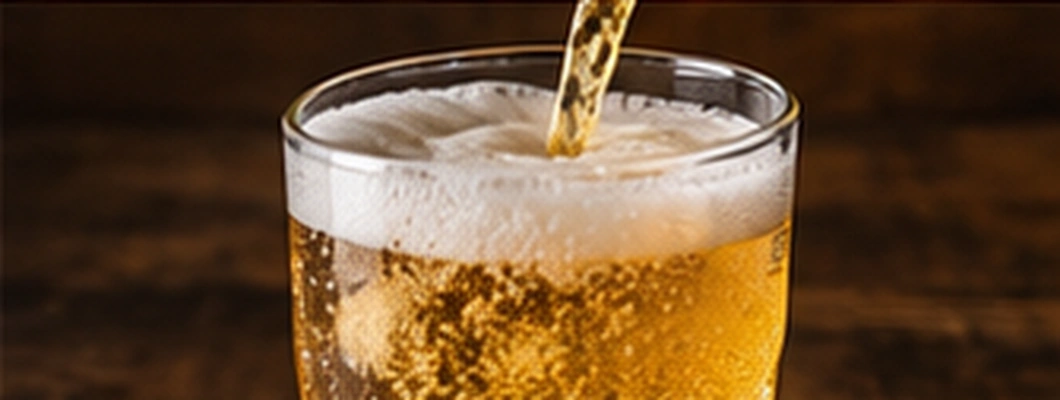
The '%' on a bottle is the share of the drink's total volume that is alcohol. For example, 500 mL of beer at 5% contains 25 mL of alcohol.
From volume to weight
Alcohol is lighter than water
Calories are counted by weight, so the volume of alcohol has to be turned into weight. Alcohol is lighter than water: the same volume weighs about 0.8 times as much as water. So 25 mL of alcohol is about 20 g.
Try the math
A 360 mL bottle at 16%
One such bottle contains about 45 g of alcohol by weight. Multiply by the calories in 1 g of alcohol and the alcohol alone gives about 320 kcal.

In the body
Alcohol is not stored; the liver handles it
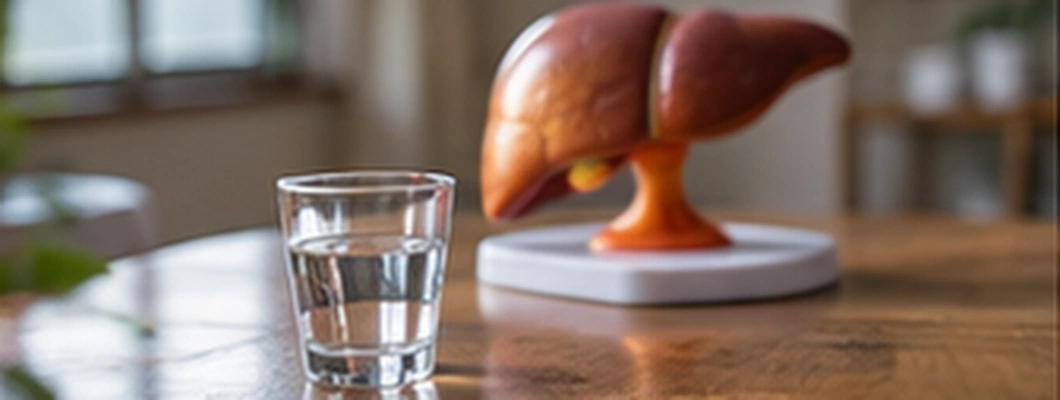
Unlike carbohydrate and fat, alcohol is not stored in the body. The alcohol you drink is turned into other substances mainly in the liver and used for energy around the body. In a test where people drank 24 g of alcohol, the amount turned straight into fat was less than 5% of what they drank.
Meanwhile, fat
Less of it is burned
While the body is using alcohol for energy, it burns less fat. In a test where alcohol made up 1/4 of the day's calories, the fat burned that day fell by about 1/3. The amount of carbohydrate and protein burned did not differ.
Calorie labels on bottles
In Korea, makers list them by choice
In Korea, alcoholic drinks are not among the foods that must carry a nutrition facts label. Instead, from 2023 large drink makers began listing calories by choice next to the volume, like '330ml (○○○kcal)'. From 2026, these calories must be printed large and in bold.

A common misunderstanding
Does a 'zero sugar' drink have almost no calories?
No. 'Zero sugar' only means less than 0.5 g of sugars per 100 mL; the calories from the alcohol stay. Korea's Ministry of Food and Drug Safety, so that shoppers do not mistake zero-sugar products for low-calorie ones, requires sweetened zero-sugar foods to also show calories from 2026.
Summary
About 7 kcal per 1 g of alcohol
The calories in a drink are the calories from its alcohol plus those from other parts such as sugar. Even if the sugar is removed and it says 'zero sugar', the calories from the alcohol stay. Related terms: alcohol strength (ABV), macronutrients, calories.
The more you know, the more you grow.PHYSIQUE NEWS