In one line
CLA is a group name for fatty acids made of the same parts as linoleic acid, a fat common in vegetable oils, but shaped a little differently.
What is CLA (conjugated linoleic acid)?
The name on diet supplement labels
You see 'CLA' or 'conjugated linoleic acid' on the labels of diet supplements that claim to cut body fat. This post explains what kind of fat CLA is, where it comes from, how supplements differ, and what research found about its effects and risks.
In short
A fat made like linoleic acid, shaped a little differently
CLA is a kind of fat found in small amounts in milk fat and beef fat. It is a group name for close relatives of 'linoleic acid', a fat common in vegetable oils: made of the same parts, but shaped a little differently. CLA stands for Conjugated Linoleic Acid.
What is a fatty acid?
The long chains that make up fat
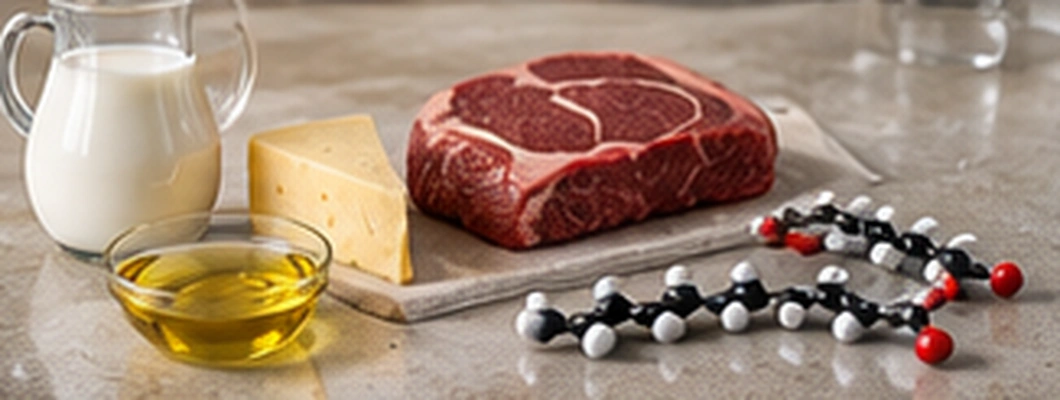
If you zoom far into a drop of oil, it is made of units where three long chains hang on one small backbone. Each of those long chains is called a 'fatty acid'. Linoleic acid and CLA are both kinds of fatty acids.
Linoleic acid
A must-eat fatty acid common in plant oils
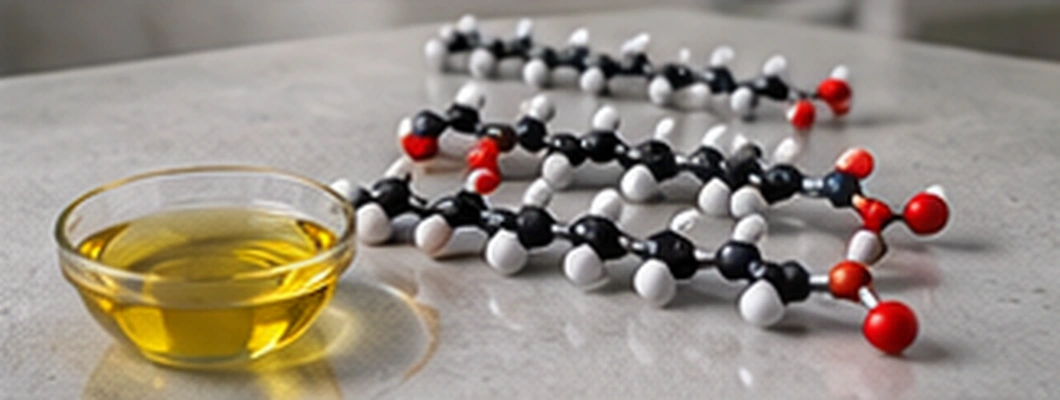
Linoleic acid is one fatty acid, and there is a lot of it in vegetable oils. The body cannot make it, so it must come from food, which is why it is called an 'essential fatty acid'. CLA is linoleic acid with its shape slightly changed.

What 'conjugated' means
Two double bonds taking turns
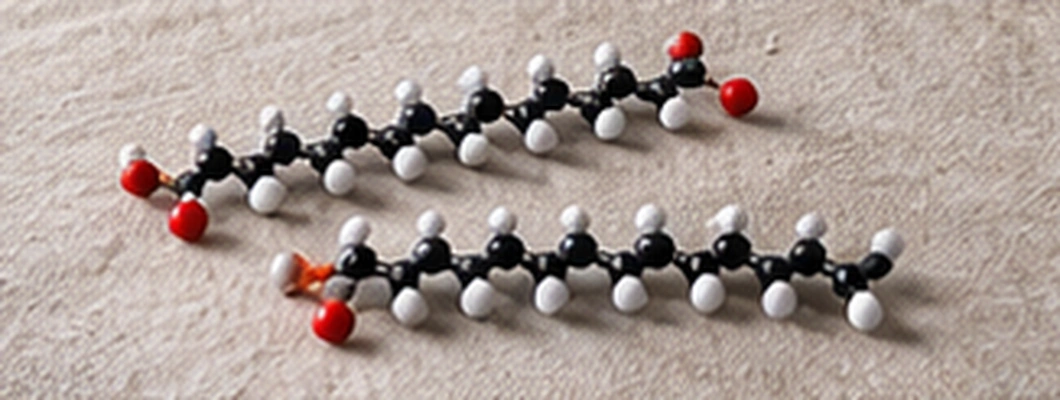
A fatty acid chain is a row of carbons, and at some spots two carbons are tied together twice, which is called a 'double bond'. In linoleic acid, there are two 'plain bonds', tied only once, between its two double bonds. In CLA the spots have moved so double and plain bonds take turns one by one, and this alternating pattern is called 'conjugated'.
Where it comes from
Made by microbes in cow and sheep stomachs
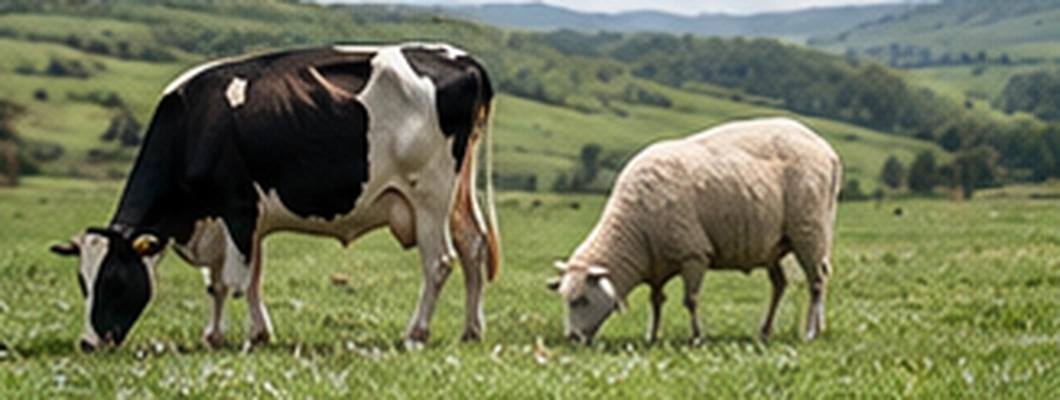
In animals that chew cud, like cows and sheep, microbes in the stomach turn linoleic acid from their feed into other fatty acids. CLA forms midway through this process and builds up in the animal's milk and meat. That is why CLA is found in dairy foods like milk and cheese, and in beef.
CLA supplements
An oil with two forms mixed about half and half
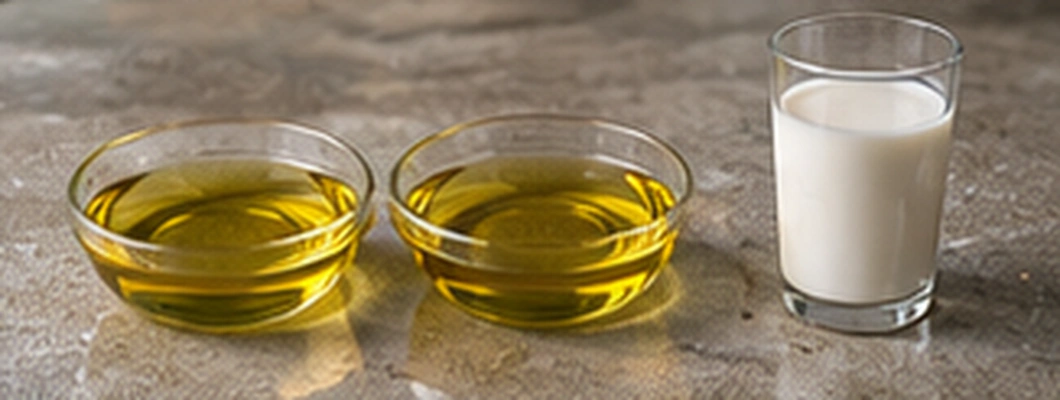
CLA comes in about nine forms that differ slightly in where and which way the double bonds sit. CLA in food is mostly one form, called 'rumenic acid'. In the CLA supplement oils whose safety Europe assessed, most of the oil is rumenic acid and another form called 't10c12', about half and half.
How it became a diet ingredient
Mice lost a lot of body fat
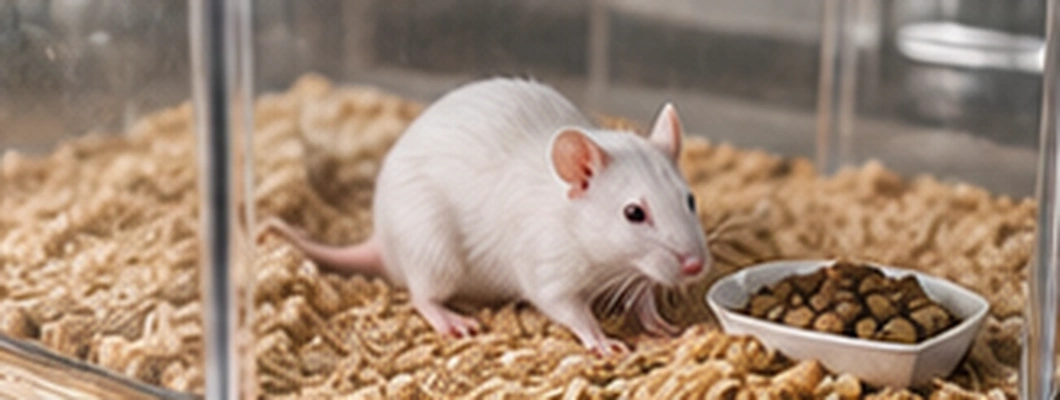
Mice given feed with a little CLA mixed in lost a lot of body fat. Because of this, CLA drew attention as a possible tool for human weight loss. Since then, CLA has been widely sold as a diet supplement that claims to cut body fat.
Risk 1: blood sugar and cholesterol
t10c12 alone made blood sugar control worse
In a study that gave only t10c12, the form that makes up about half of supplements, the body's ability to lower blood sugar got about 20% worse and blood sugar rose. The people in this study had a lot of belly fat. In the same study, the supplement mixing both forms left blood sugar unchanged but slightly lowered good cholesterol (HDL).

Risk 2: how long people take it
Europe accepted safety only up to 6 months
The European Food Safety Authority judged that taking 3 to 3.5g of CLA a day for up to 6 months is safe. It did not accept that taking it for longer than 6 months, or taking it with diabetes, is safe.

Common myth
Does CLA cut body fat a lot?
No. People lost far less body fat than mice did. Pooling trials that gave about 3g a day, people lost only about 0.1kg more fat per week than with a fake pill, and pooling only well-designed trials, body fat showed no difference from a fake pill.

Summary
Linoleic acid with a changed shape
CLA is a group of fatty acids made of the same parts as linoleic acid but with the double bonds moved, found in small amounts in milk and beef. Unlike in mice, the body fat people lost was very small. Related terms: fatty acids, linoleic acid, omega-3.

The more you know, the more you grow.PHYSIQUE NEWS