In one line
Betaine is the amino acid glycine with three small pieces attached; in the body it hands those pieces to other substances and helps cells keep their water.
What is betaine?
The name on strength supplement labels
On sports supplement labels you will see 'betaine' or 'trimethylglycine'. This post explains what betaine is made of, where it is found, what it does in the body, and what changed when people took a lot of it.
In one line
A slightly changed amino acid
The small pieces that make up protein are called 'amino acids'. Betaine is one amino acid with three small pieces attached. It is found widely in plants, animals and microbes, and our body makes it too.
What is it made of?
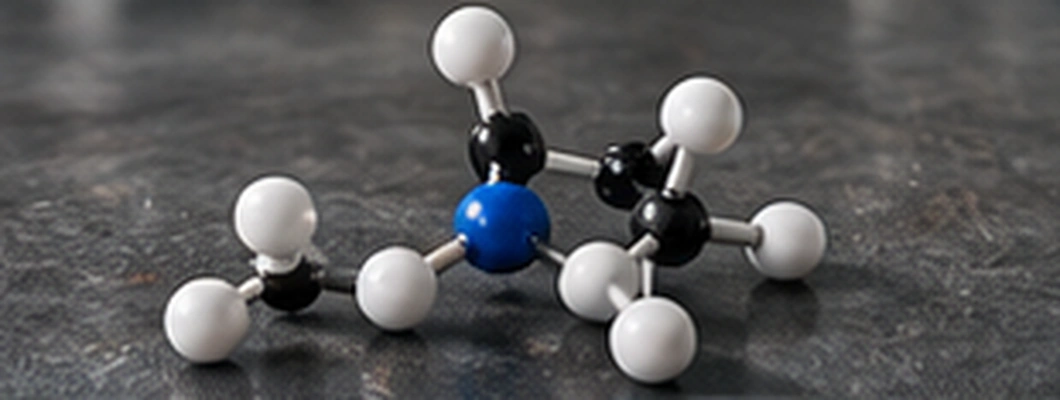
Glycine with three 'methyl groups'
Betaine's backbone is 'glycine', one of the amino acids. Three small pieces called 'methyl groups' are attached to it. That is why it is also called 'trimethylglycine', meaning glycine with three methyl groups.
Where is it found?
Beets, spinach, wheat bran, seafood
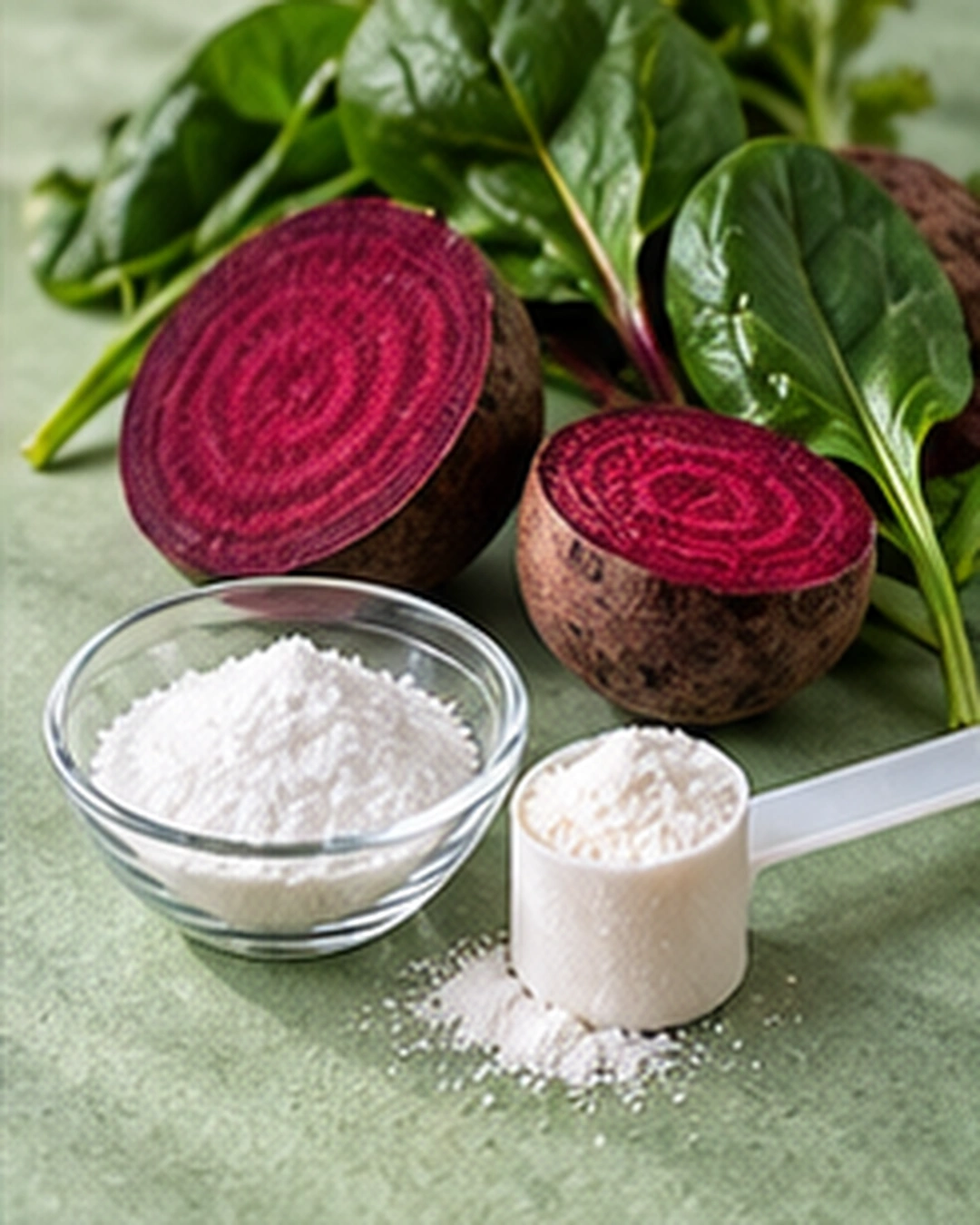
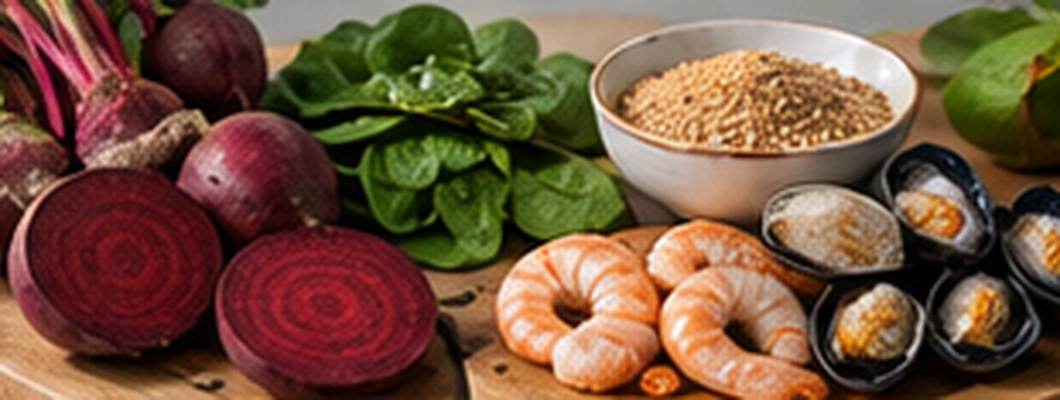
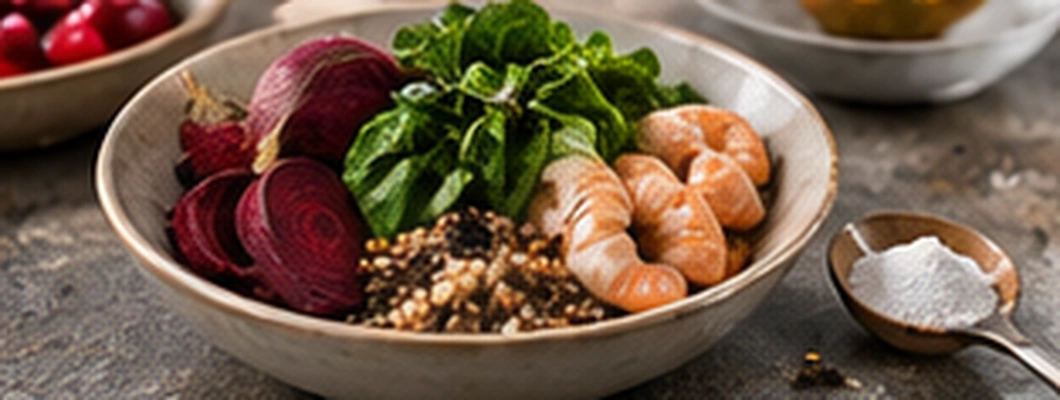
Betaine was first found in the 1800s in the juice of sugar beets, a plant used to make sugar. It is plentiful in beets and spinach, grain husks such as wheat bran (the husk left after milling wheat), and seafood such as shrimp and shellfish. The body also makes it from another nutrient.
Job one: handing over methyl groups
It turns homocysteine back into methionine
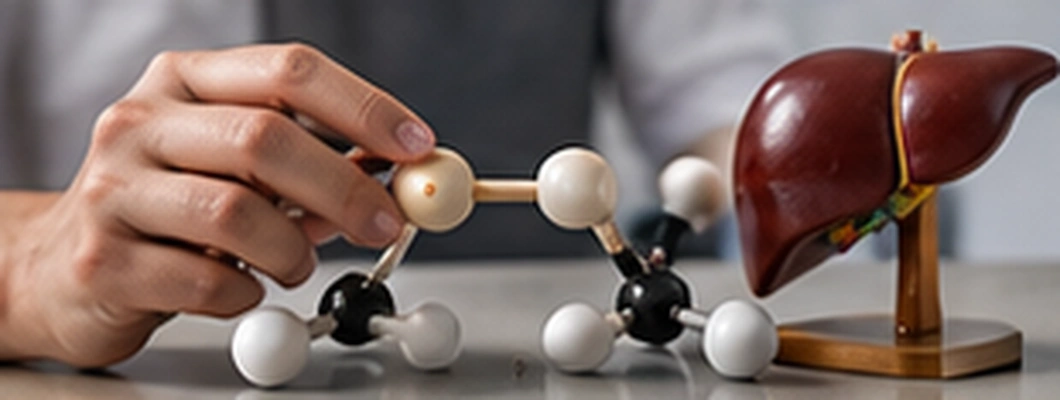
As the body uses 'methionine', one of the amino acids, it leaves behind a substance called 'homocysteine'. Betaine hands one methyl group to homocysteine, turning it back into methionine. This happens mainly in the liver and kidneys.
Job two: keeping cells' water
It protects cells when water runs short
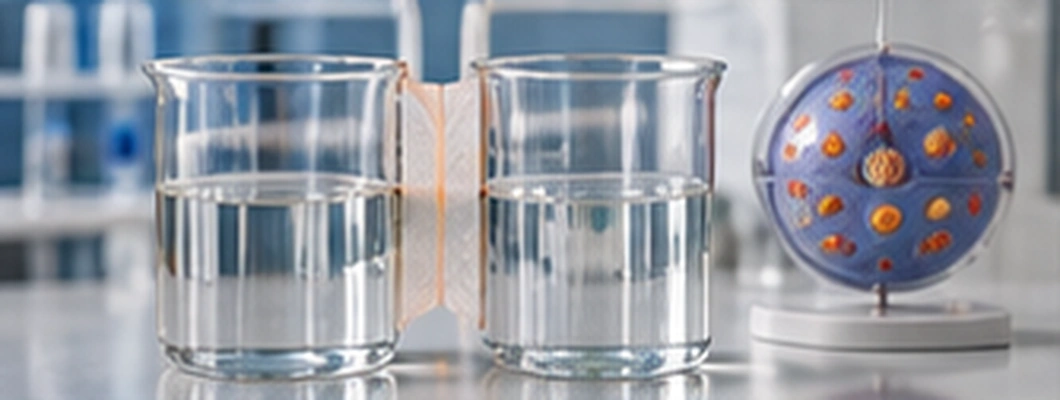
Cells need the right amount of water inside and outside to keep their shape and work. Betaine is used to balance the water inside cells. So it protects cells and proteins when water is short, when there is a lot of salt, or when it is very hot or cold.
It is also a medicine
A drug for the inherited disease 'homocystinuria'
'Homocystinuria' is a rare inherited disease in which the body cannot handle homocysteine properly, so it builds up in blood and urine. In the US, betaine powder was approved as a medicine for this disease in 1996. It is used to lower homocysteine in the blood.

Betaine hydrochloride is different
Once sold to add stomach acid
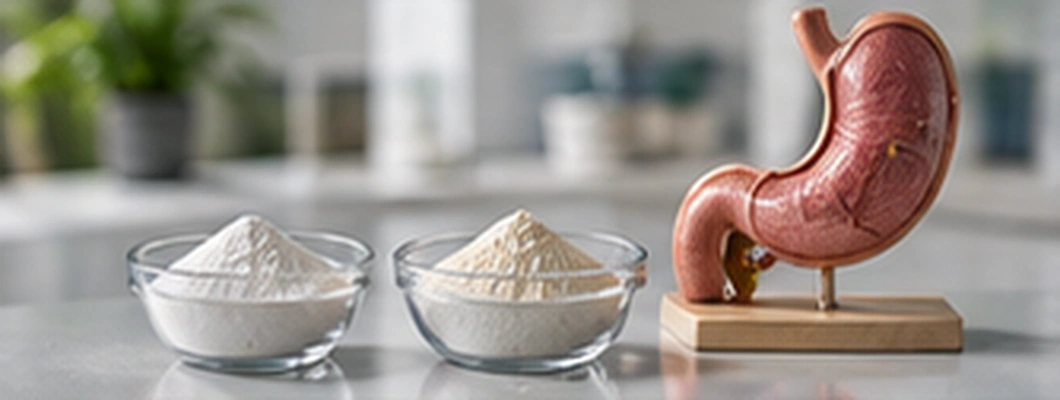
'Betaine hydrochloride' (betaine HCl) on a label is betaine joined with hydrochloric acid. It was sold over the counter to add stomach acid when acid runs low. The US Food and Drug Administration said its effectiveness for this use was not established and blocked selling it for this use without approval.
As a sports supplement
No difference in body weight or body fat
Among people who exercise, betaine is used as a supplement said to help strength. But body weight, body fat, and weight without fat, such as muscle, showed no difference between people who took betaine and those who did not. Splitting by dose and length gave the same result.
When people took a lot
Cholesterol rose at 4 g or more a day
Pooling the studies on betaine, blood cholesterol rose. LDL, often called 'bad cholesterol', rose by about 10 on average, in the numbers on a blood test report. This rise came at 4 g or more a day; below 4 g, it did not clearly rise.
Common misconception
Are betaine and beta-alanine the same?
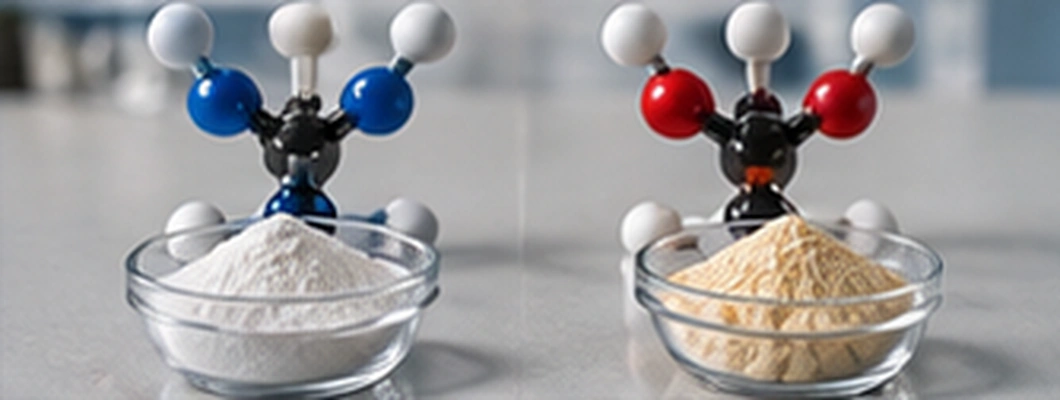
No. Only the start of the names is similar; they are different substances. Betaine is glycine with three methyl groups, and it hands over methyl groups and keeps cells' water. Beta-alanine is a different amino acid that serves as a building block for a substance in muscle called 'carnosine'.
Summary
Glycine with three methyl groups, also made by the body
Betaine is glycine with three methyl groups; it is in beets, spinach, grains and seafood, and the body makes it too. In the body it hands over methyl groups to turn homocysteine back into methionine, and it keeps cells' water. It is a different substance from beta-alanine, despite the similar name. Related terms: homocysteine, methionine, beta-alanine.
The more you know, the more you grow.PHYSIQUE NEWS