In one line
Energy density is how many calories are packed into a given weight of food.
What is energy density?
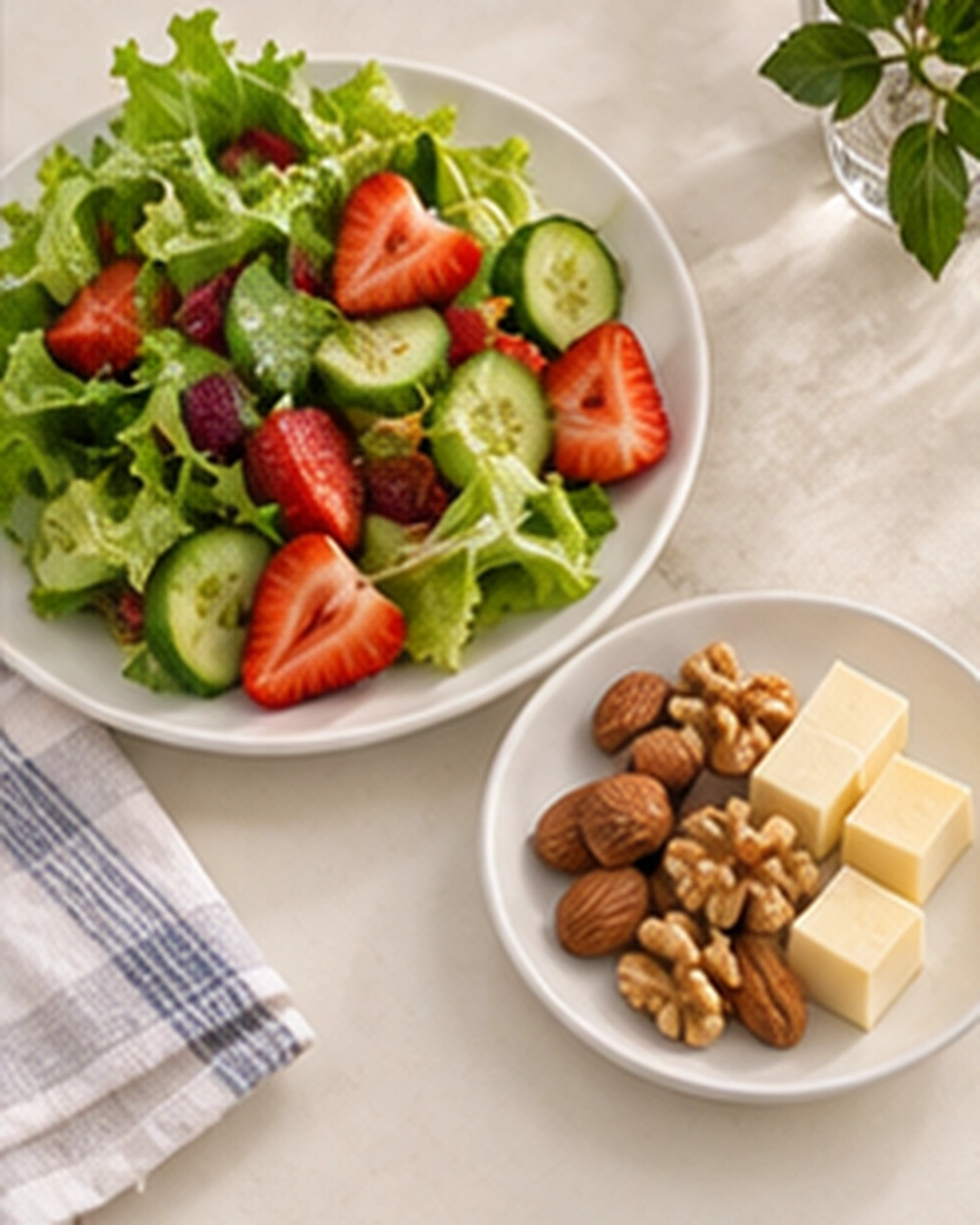
Lots of food, few calories
Diet talk often says 'eat a big plate but fewer calories'. Even on the same-sized plate, calories can differ several times over from food to food. The term that puts this difference into one number is energy density.
In short
Calories in 1 g of food
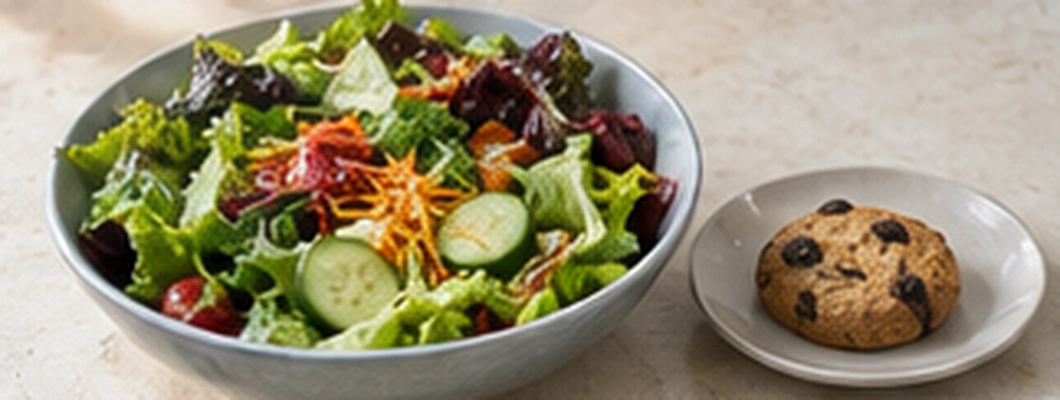
Energy density is how many kcal of calories there are in 1 g of food. The more calories in the same weight, the higher the energy density. Foods range from 0 kcal to 9 kcal per 1 g.
How to work it out
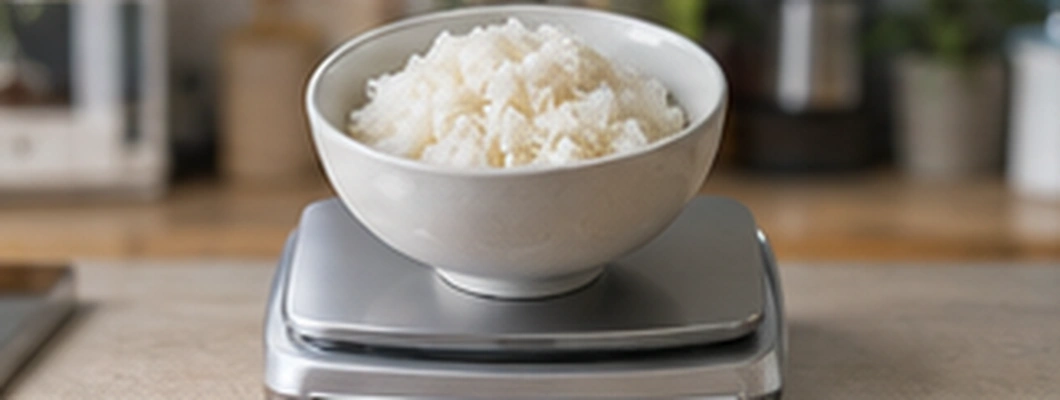
Divide calories per 100 g by 100
Take the calories per 100 g on a nutrition label and divide by 100 to get energy density. In the US Department of Agriculture food data, cooked white rice has 130 kcal per 100 g, so its energy density is 1.3.
What sets it (1): fat
Fat has 9 kcal per 1 g
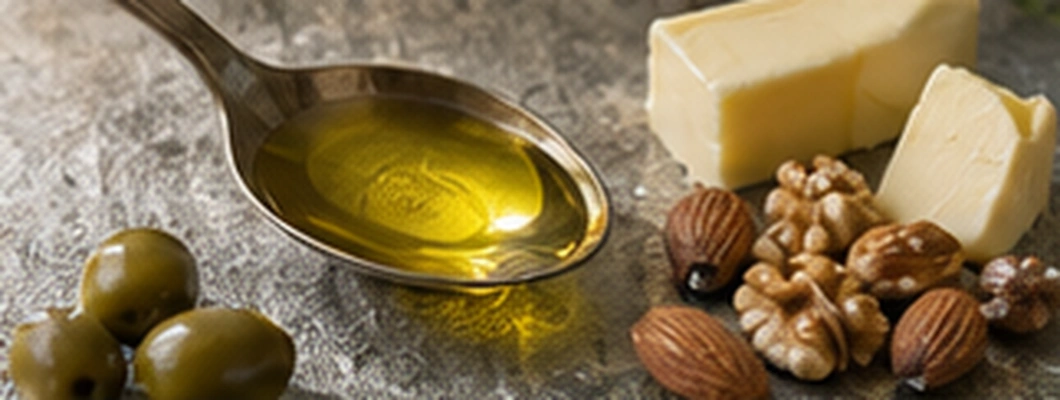
The nutrient that raises energy density the most is fat. Fat has 9 kcal per 1 g, more than twice carbohydrate and protein (4 kcal per 1 g). That is why oil, which is almost pure fat, is the food with the highest energy density.
What sets it (2): water
Water has weight but no calories
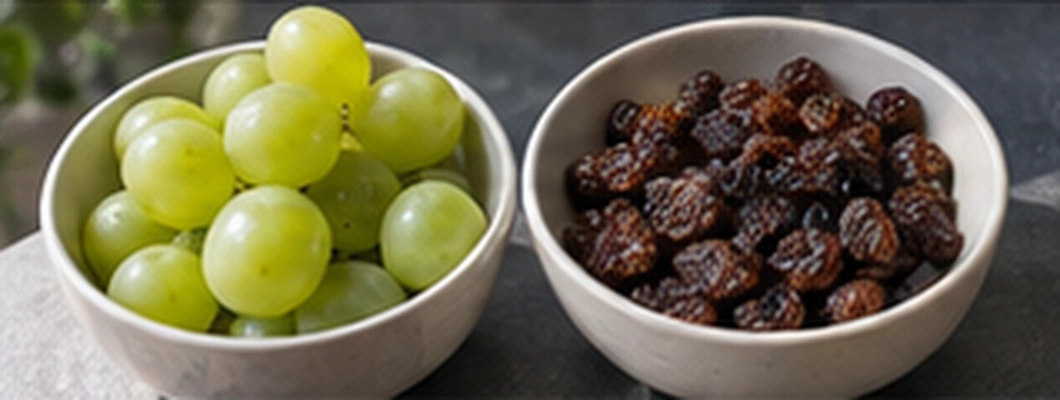
Water has weight but no calories. So the more water a food holds, the lower its energy density. Drying grapes to remove water makes raisins, and raisins have more than 4 times the energy density of grapes.
High and low
Below 1.5 is low, 4 and up is high
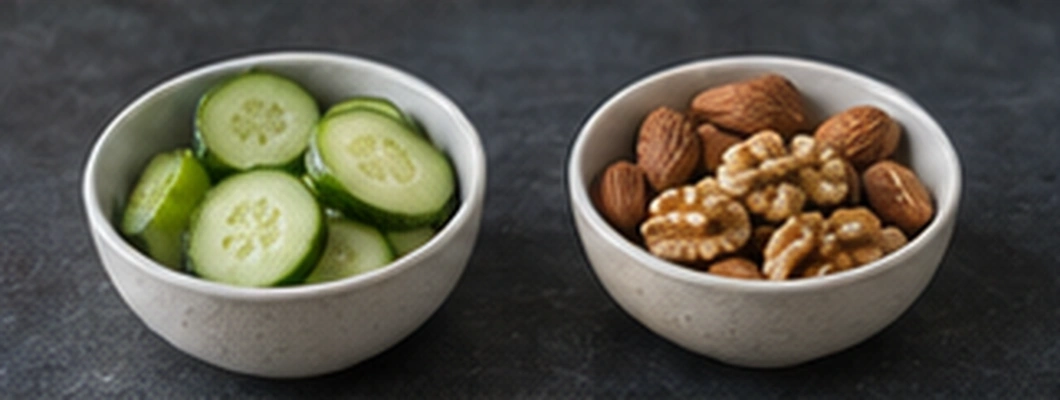
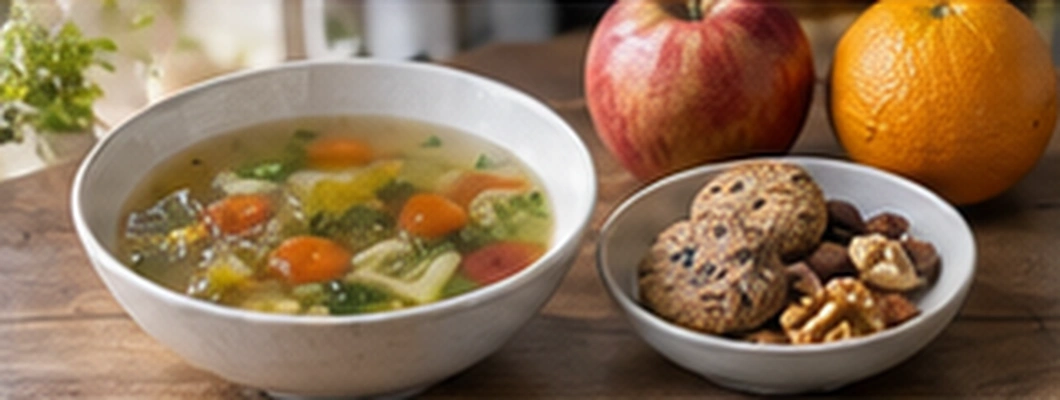
Researchers who study energy density call 1.5 kcal or less per 1 g low and 4 kcal or more high. Most fruits and vegetables and clear broth soups sit at the very lowest end. Fried snacks, candy, cookies, nuts and oils sit at the high end.
Why it matters
People eat a similar weight of food
People keep the weight of food they eat steadier than the calories. In an experiment where women were served their meals, participants ate a similar weight of food when only the energy density changed. So they ate about 30% more calories when energy density was high, with no difference in hunger or fullness.
Putting water inside the food
Less eaten at lunch after soup
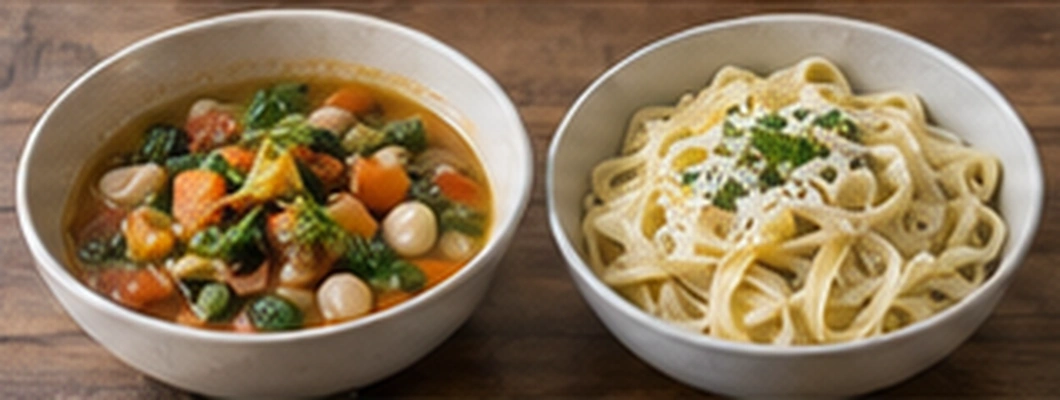
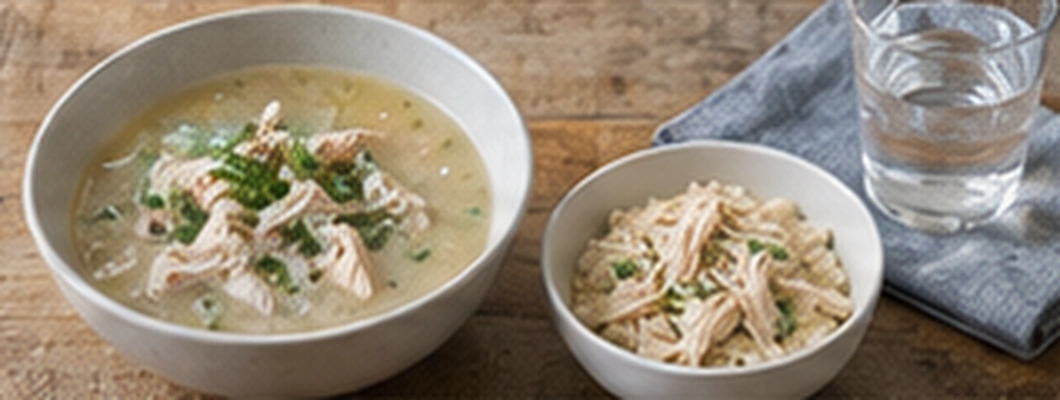
An experiment with women compared days when they ate a chicken and rice dish with a glass of water before lunch against days when they ate soup made from the same ingredients and water. On soup days they ate about 1/4 less at lunch. Drinking the water separately did not change fullness.
Link to body weight
Lower-density diets helped weight loss
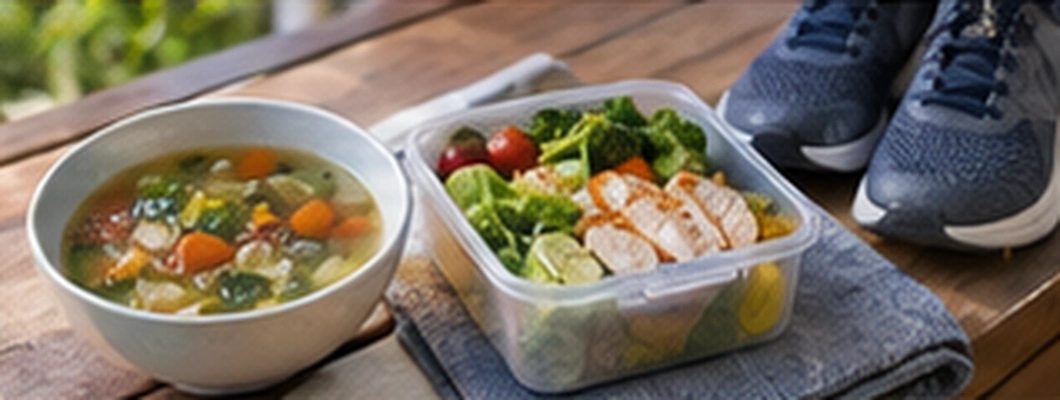
After reviewing the research, the US Dietary Guidelines Advisory Committee concluded that strong and consistent evidence shows diets relatively low in energy density help adults lose weight and keep it off.
A common misconception
Does cutting fat lower energy density?
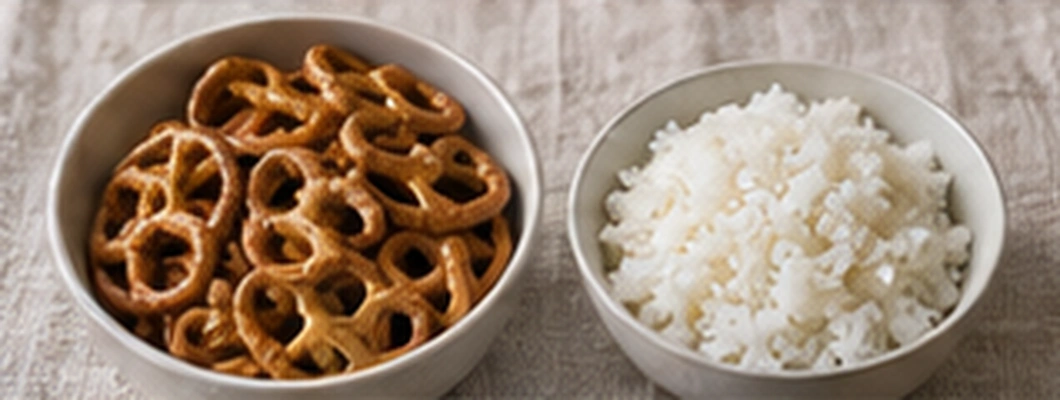
No. Even with little fat, a food with little water does not end up with a low energy density. In the US Department of Agriculture food data, hard pretzels have almost no fat and almost no water, so their energy density is about 3 times that of cooked white rice.
Summary
Calories in the same weight
Energy density is how many calories are in a given weight of food: more fat makes it higher and more water makes it lower. A food with little water does not have a low energy density even if it has little fat. Related terms: satiety, calories, nutrition facts label.

The more you know, the more you grow.PHYSIQUE NEWS