In one line
Omega-3s are a group of fatty acids the body cannot make from scratch and must get from food; EPA and DHA are the two found mainly in fish.
What are omega-3s (EPA and DHA)?
The name on fish oil capsule bottles
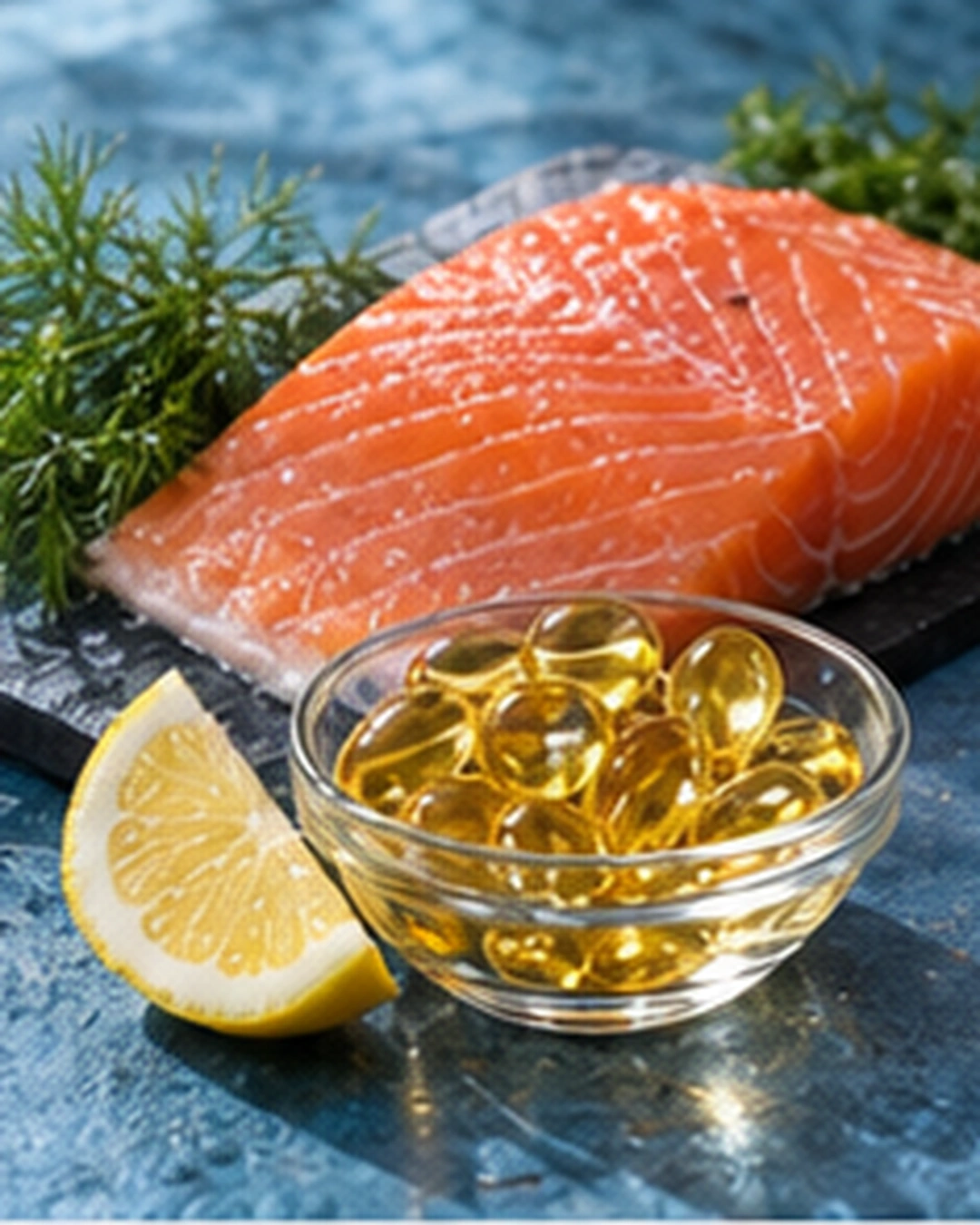
In the supplement aisle you often see fish oil capsules labeled 'omega-3' or 'EPA and DHA'. This post explains what kind of fat omega-3s are, what EPA and DHA are and where they are found, and what studies have found about their effects and risks.

In one line
A group of fats you must get from food
Omega-3s are a group of fats the body needs but cannot make from scratch, so they must come from food. EPA and DHA are the two found mainly in fish. Fish oil supplements contain these two.

What a fatty acid is
The long chains that make up fat
If you magnify a drop of oil, it is made of particles in which three long chains are attached to one small backbone. Each of these long chains is called a 'fatty acid'. Omega-3s are one kind of fatty acid.
Why 'omega-3'?
The third spot from the end of the chain
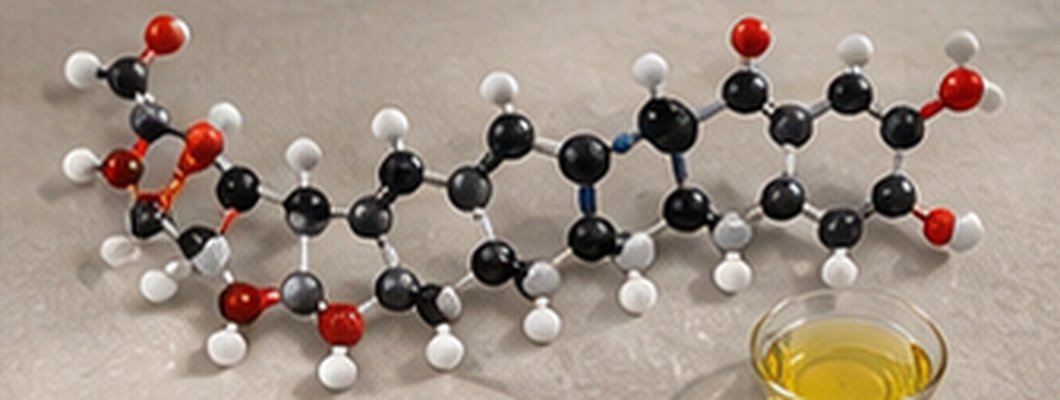
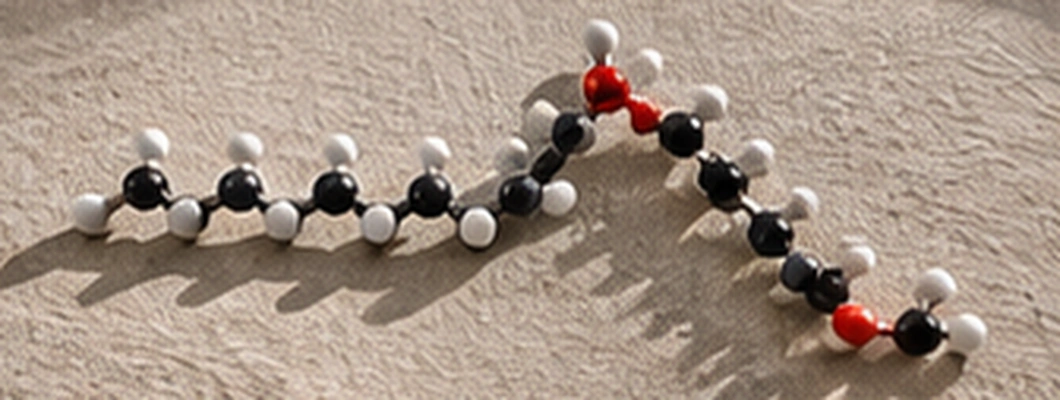
A fatty acid chain is a line of carbon atoms, and at some spots two carbons are joined by a doubled link, a 'double bond'. A double bond puts a bend in the chain. The very last carbon is called 'omega', and if a double bond sits at the third carbon from that end, it is an omega-3.
The three omega-3s
ALA from plants, EPA and DHA from fish
The important omega-3s in the body are ALA, EPA and DHA. ALA is found in plants such as flaxseed, soybean and canola oils, chia seeds and walnuts. EPA and DHA are found in cold-water fish such as salmon, mackerel and tuna, and in shellfish.

What they do in the body
Building material for the wrapping of cells
Each cell in the body is wrapped in a thin membrane, and this membrane is also made mainly of fats carrying fatty acids. DHA is especially plentiful in the membranes of nerve cells in the brain and of the light-sensing cells at the back of the eye (the retina).

Types of supplements
Fish oil, fish liver oil, microalgae oil
Fish oil contains EPA and DHA. Fish liver oils such as cod liver oil also contain vitamins A and D, which are harmful in excess. Oil from tiny plant-like living things in water (microalgae) contains DHA and is used by vegetarians.

An effect studies confirmed
Lower triglycerides in the blood
The particle from earlier, with three fatty acids attached, is called a 'triglyceride'. Too many triglycerides in the blood raise the risk of heart disease. People who took EPA and DHA had about 15% lower triglycerides in their blood.

A known risk
More cases of an irregular heartbeat
In studies that gave omega-3 supplements for years, mostly to older adults, to see whether they prevent heart disease, 'atrial fibrillation', where the heart beats irregularly and fast, rose compared with a dummy pill. In studies using more than 1 g a day, the risk of atrial fibrillation was about 1.5 times that of the dummy pill. Common side effects are mild, such as a fishy taste, bad breath, heartburn and diarrhea.

A common misconception
Is flaxseed omega-3 the same as fish omega-3?
No. The body turns only a little of the ALA in flaxseed and walnuts into EPA, and almost none into DHA. Even large amounts of flaxseed oil did not raise the combined amount of EPA and DHA in the blood. Microalgae oil did raise it.

Summary
Fatty acids you must eat; EPA and DHA from fish
Omega-3s are a group of fatty acids the body cannot make from scratch and must eat, and EPA and DHA are the two found mainly in fish. The body turns only a very small amount of plant ALA into EPA and DHA. Related words: fatty acid, triglyceride, microalgae oil.

The more you know, the more you grow.PHYSIQUE NEWS