In one line
Cholesterol is a fat-like substance found in every cell of the body, used as a building material for cell membranes, hormones and more.
What is cholesterol?
What makes "good" and "bad" cholesterol different?
Health checkup results list numbers like "LDL cholesterol" and "HDL cholesterol." People often say one is bad and the other is good. What is cholesterol, and why is it split into two names?

In short
A fat-like substance found in every cell
Cholesterol is a waxy, fat-like substance found in every cell of the body. The body needs it to work properly. But when there is too much of it in the blood, it builds up in the walls of blood vessels.
What it does (1)
A building block of the cell's outer layer
Every cell is wrapped in a thin layer called the "cell membrane." Cholesterol is one of the materials that make up the membranes of animal cells, and it helps keep the membrane flexible instead of stiff.

What it does (2)
Material for hormones, vitamin D and bile
Hormones are substances that travel in the blood and carry signals. Sex hormones, including testosterone, are made from cholesterol. Vitamin D and parts of bile, the fluid that helps digest fat, are also made from cholesterol.

Where it comes from
The body makes all it needs
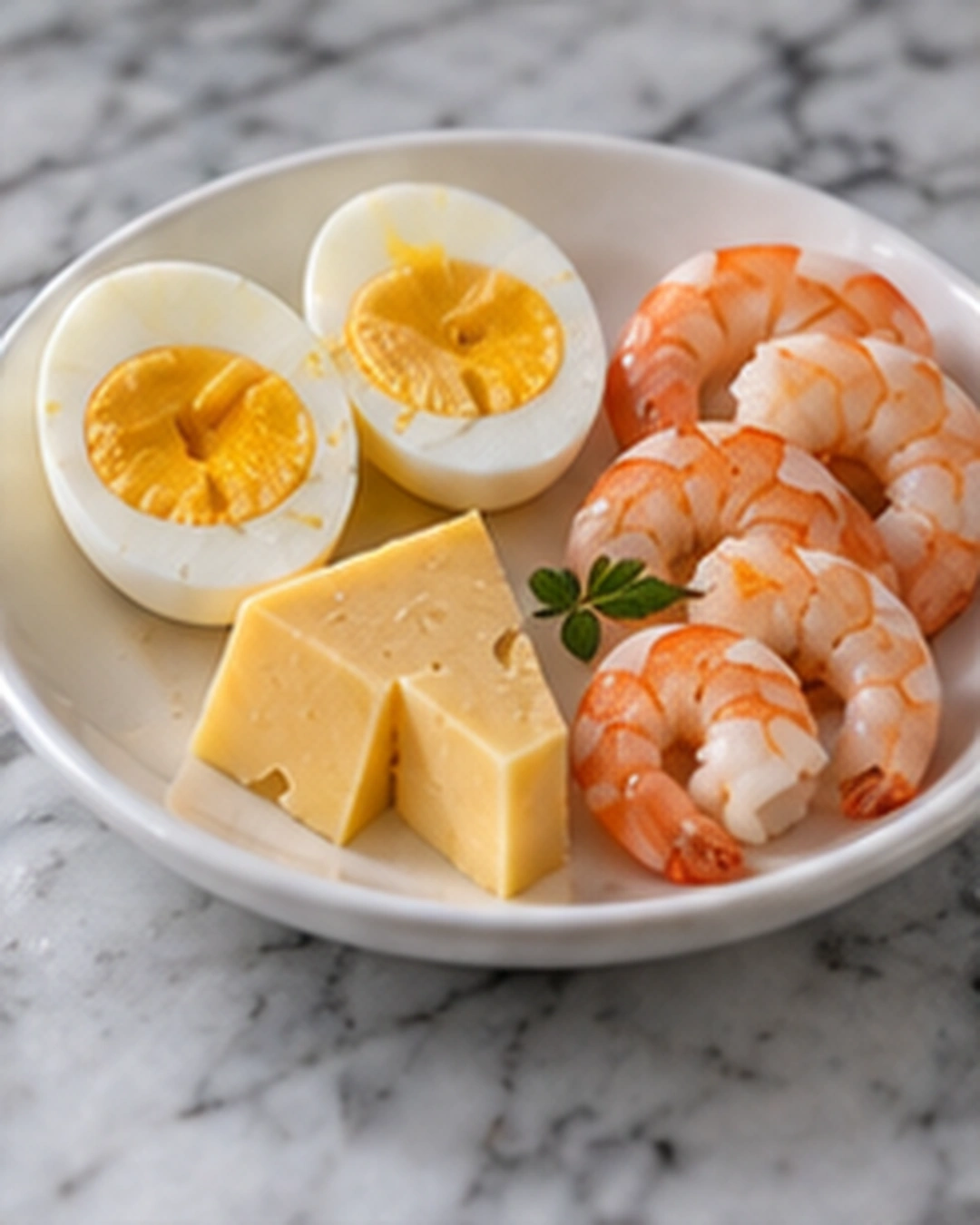
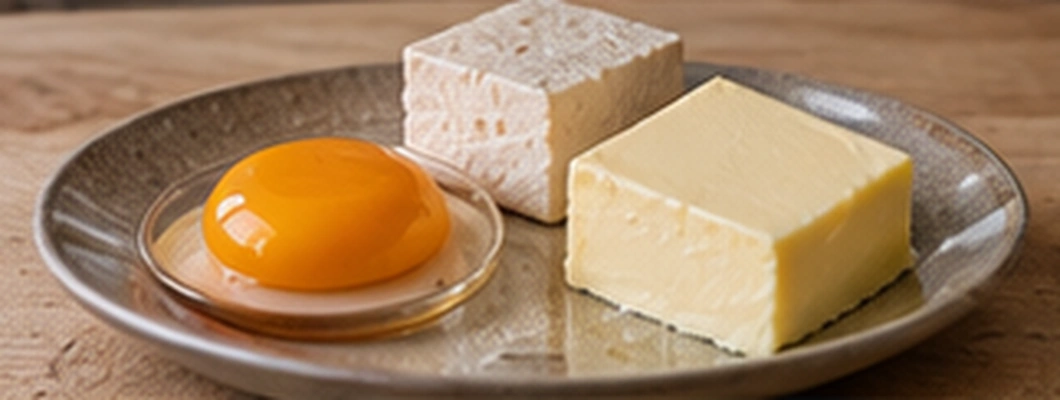
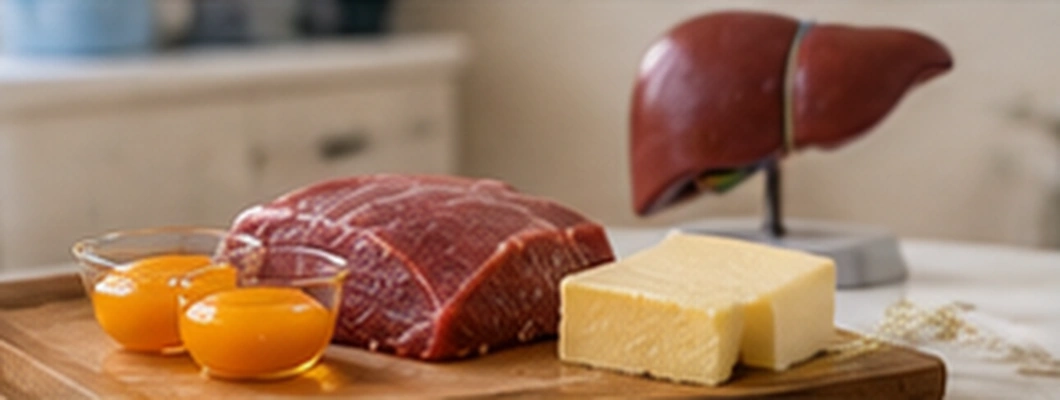
The body makes all the cholesterol it needs, mostly in the liver. Cholesterol also comes from food: it is found in foods that come from animals, such as egg yolks, meat and cheese.
How it travels in the blood
Particles wrapped with protein: lipoproteins
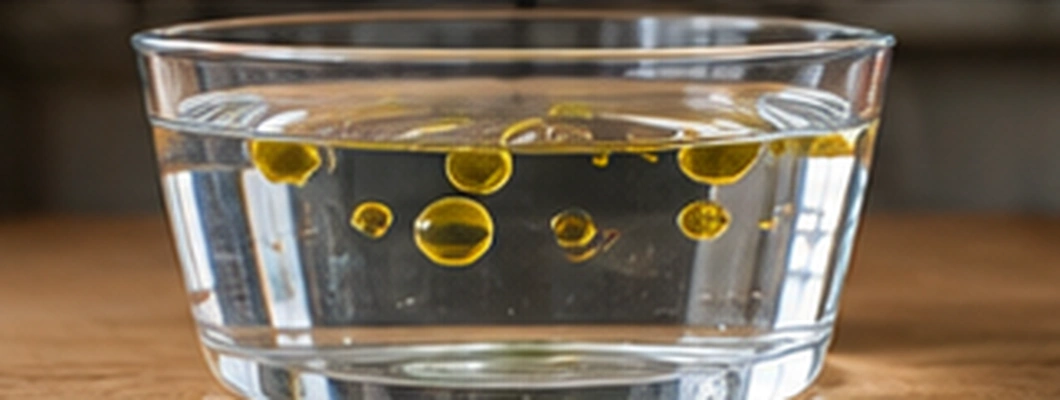
Fats do not dissolve in water, so they cannot simply float through blood, which is mostly water. Instead, cholesterol rides through the blood in tiny particles bound to protein. These particles are called "lipoproteins."
LDL
The lipoprotein that delivers cholesterol around the body
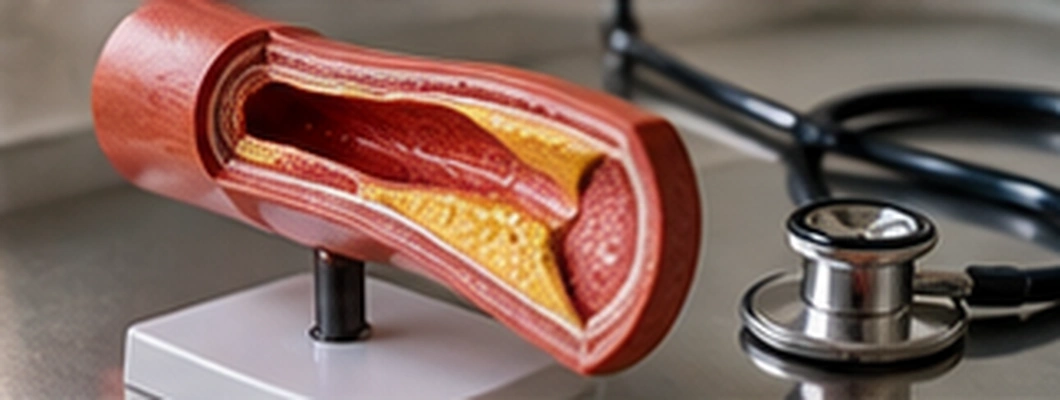
LDL is the lipoprotein that carries cholesterol out to the rest of the body. When there is a lot of LDL in the blood, cholesterol builds up with other substances in blood vessel walls, forming lumps called "plaque." When plaque narrows and blocks blood vessels, it leads to heart attacks and strokes. That is why LDL is called "bad" cholesterol.
HDL
The lipoprotein that brings extra cholesterol back to the liver
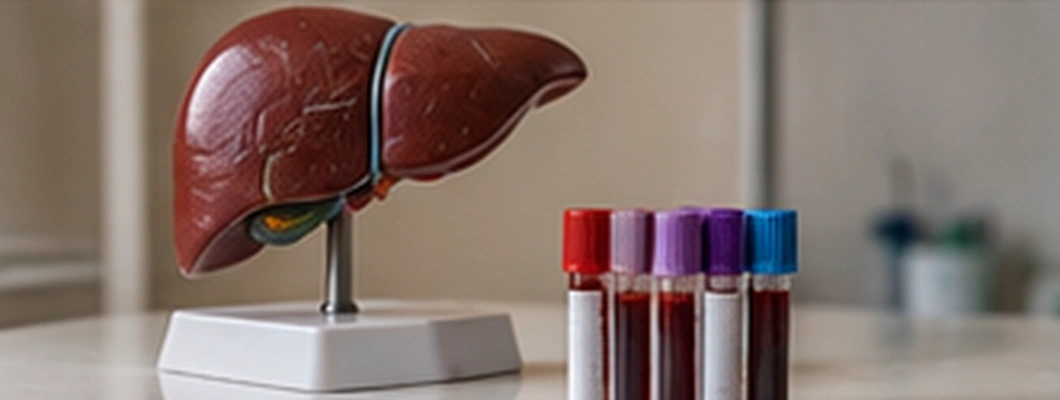
HDL is the lipoprotein that carries cholesterol from around the body back to the liver. The liver then removes it from the body. Because it clears cholesterol away, HDL is called "good" cholesterol.
When LDL is high
The higher and longer, the greater the risk
When many kinds of studies are put together, they all point the same way. The higher the LDL in the blood, and the longer it stays high, the greater the risk of heart and blood vessel disease. In people treated to lower LDL, the risk went down too.

What a blood test measures
Total cholesterol, LDL, HDL and triglycerides
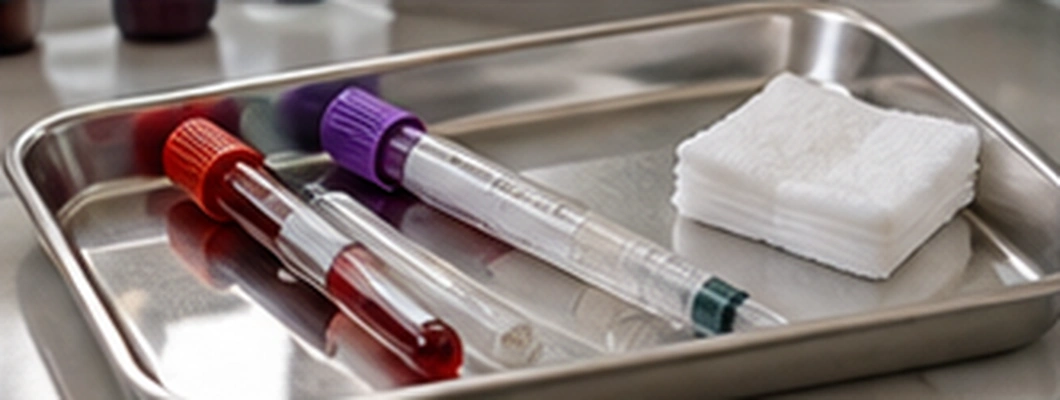
Cholesterol is measured with a blood test. The results show total cholesterol, LDL and HDL, along with "triglycerides," another kind of fat in the blood. US National Institutes of Health materials consider an adult LDL result below 100 to be a desirable level.
Common myth
Is cholesterol bad for the body?
No. Cholesterol is a necessary material for cell membranes and hormones. The words "good" and "bad" do not describe cholesterol itself but are nicknames for the lipoproteins that carry it (HDL and LDL). The problem is having too much LDL in the blood.

Summary
A needed building material; the problem is blood LDL
Cholesterol is a fat-like substance found in every cell, used to make cell membranes, hormones and vitamin D. "Good" and "bad" are nicknames for the lipoproteins that carry it. Related terms: lipoproteins, LDL and HDL, saturated fat.
The more you know, the more you grow.PHYSIQUE NEWS