Short answer
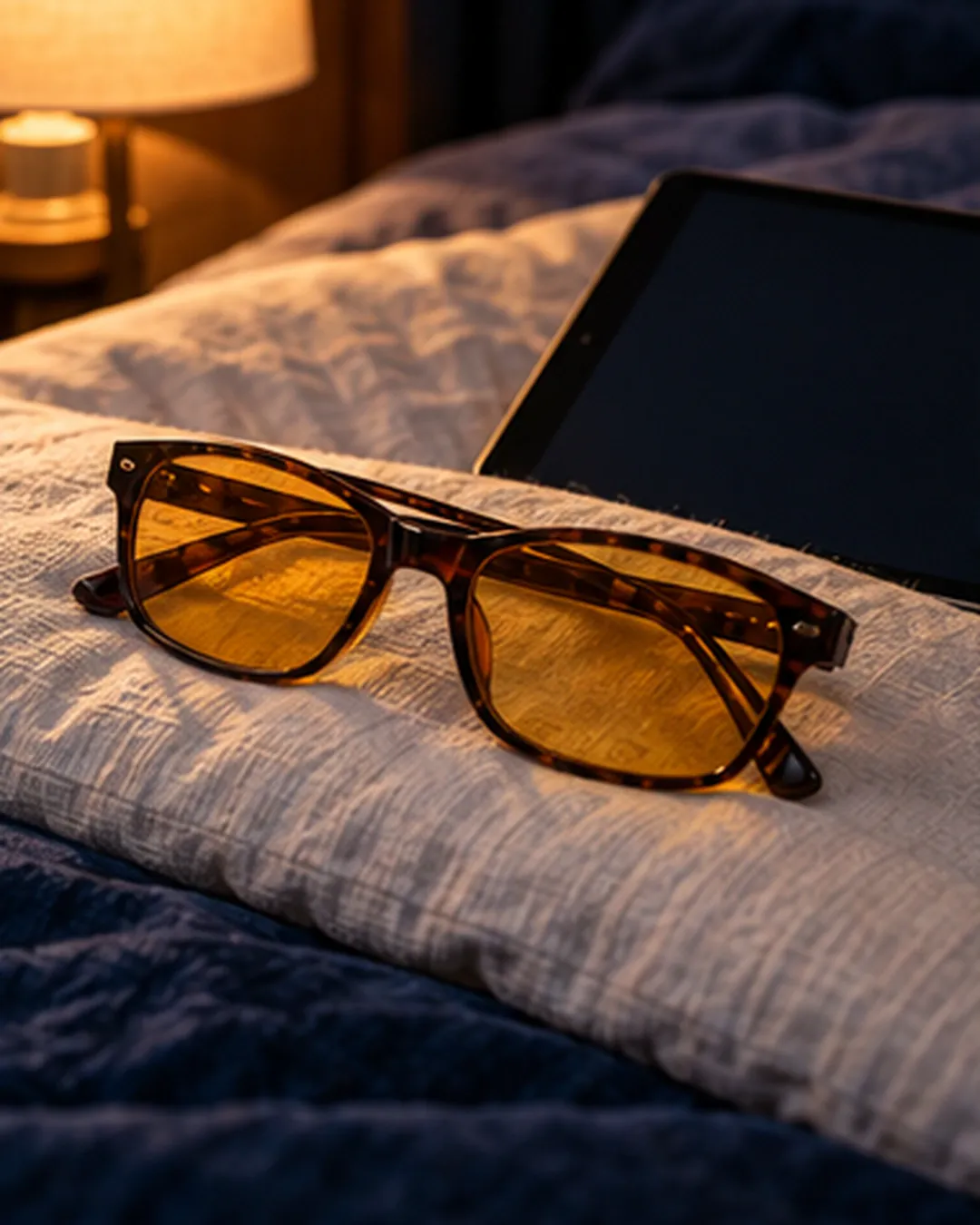
Not for good sleepers. Device-measured sleep did not go up. The benefit appeared when people with insomnia symptoms wore dark orange lenses from 2 hours before bed.
Do blue light blocking glasses help you sleep?
'Blue light → less sleep hormone → worse sleep' — can glasses fix it?
Screen light at night lowers the sleep hormone melatonin and hurts sleep, so blue light blocking glasses should help you sleep. That is the claim. We checked it one step at a time.
Does light lower the sleep hormone?
It does, and orange glasses blocked that
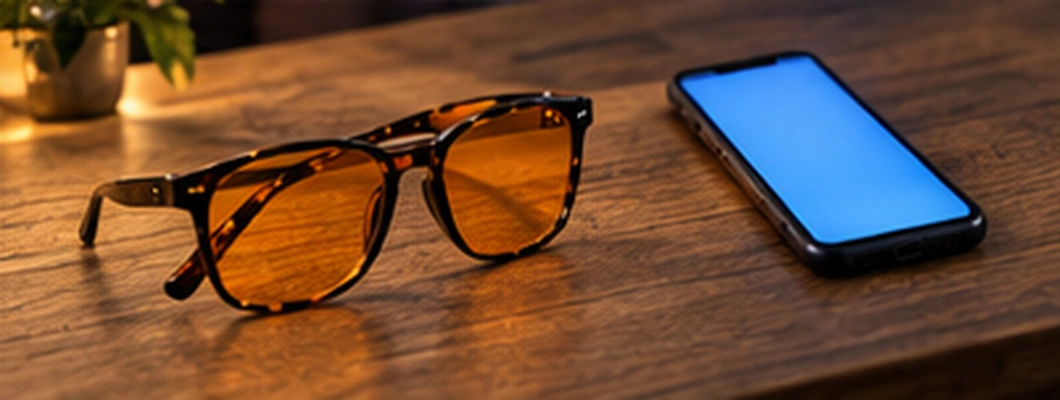
When 7 people sat in bright light at night, their sleep hormone stayed lower than in a dim room the whole time. With glasses that filter blue light under the same light, there was no difference from the dim room. The first link holds.
So does sleep improve?
Measured by a wrist device, it did not
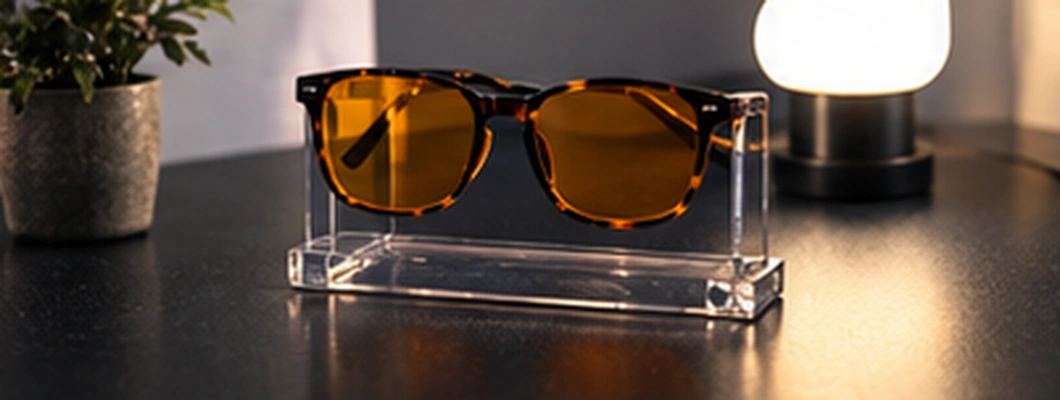
An analysis that pooled 3 trials with 49 people swapping orange and clear glasses found no meaningful difference: 4.86 minutes for time to fall asleep and 8.75 minutes for total sleep. A Cochrane review of 17 trials found that only 3 of the 6 trials on sleep (148 people) showed better sleep.
Good sleepers only 'felt' a difference
Total sleep was actually 16 minutes shorter
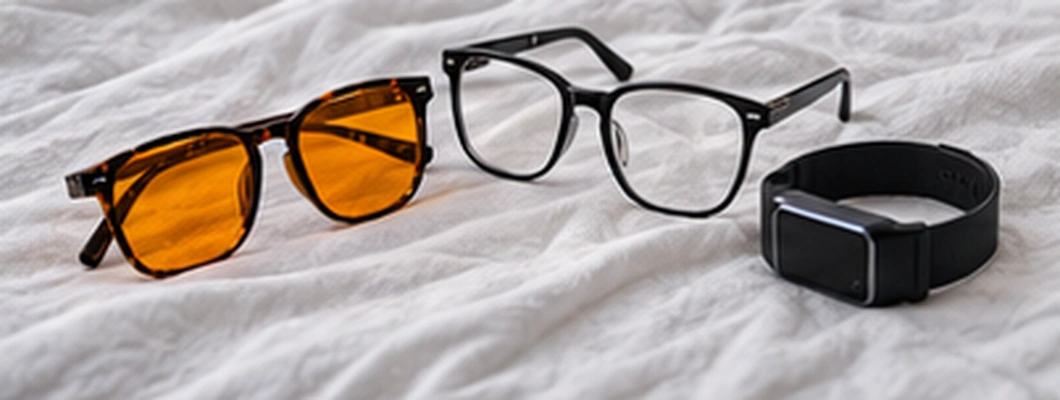
When 20 people wore the glasses from 6 PM to bedtime for 1 week, their self-reported time to fall asleep went from 24 to 21 minutes. But wrist-measured total sleep was 433 minutes, shorter than with clear glasses (449). In another 15 people, falling asleep felt 7 minutes faster, with no difference on the device.
With insomnia symptoms, it was different
Wearing them 2 hours before bed added sleep
In 14 people with insomnia symptoms, wearing orange glasses for 2 hours before bed for 1 week improved insomnia scores compared with clear glasses. Wrist-measured total sleep time also went up. The benefit showed up in people who had trouble sleeping.
But not all 'blue light glasses' are equal
Clear lenses barely blocked anything
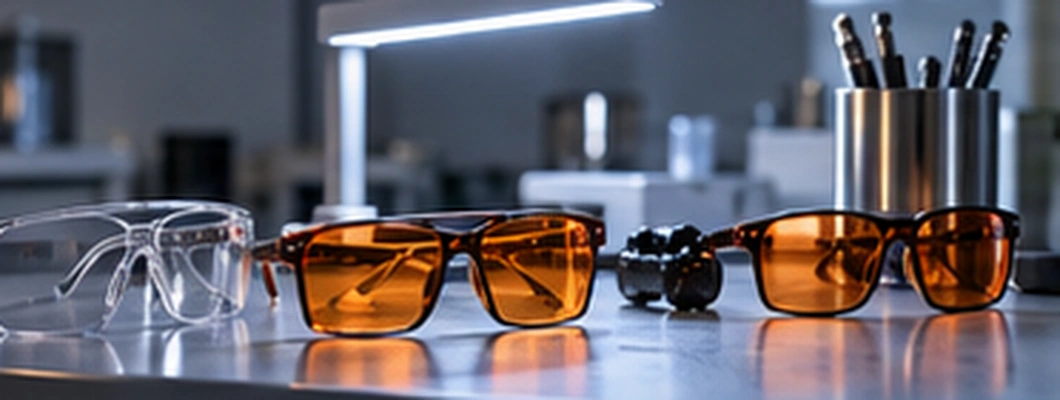
Testing 26 glasses on the market showed filtering strength varied more than 300-fold (0.01 to 3.43). Near-clear 'blue light' lenses did not filter enough to matter, even with the dimmest phone screen. Of 16 field studies that showed benefits, 15 used dark orange lenses.
Bottom line: no added real sleep for good sleepers
With insomnia symptoms, dark orange lenses
The glasses stop the drop in sleep hormone, but they did not add real sleep time in good sleepers. If falling asleep is hard, the approach that worked in studies was dark orange lenses, not clear ones, worn from 2 hours before bed.
A better body starts with a better question.PHYSIQUE NEWS