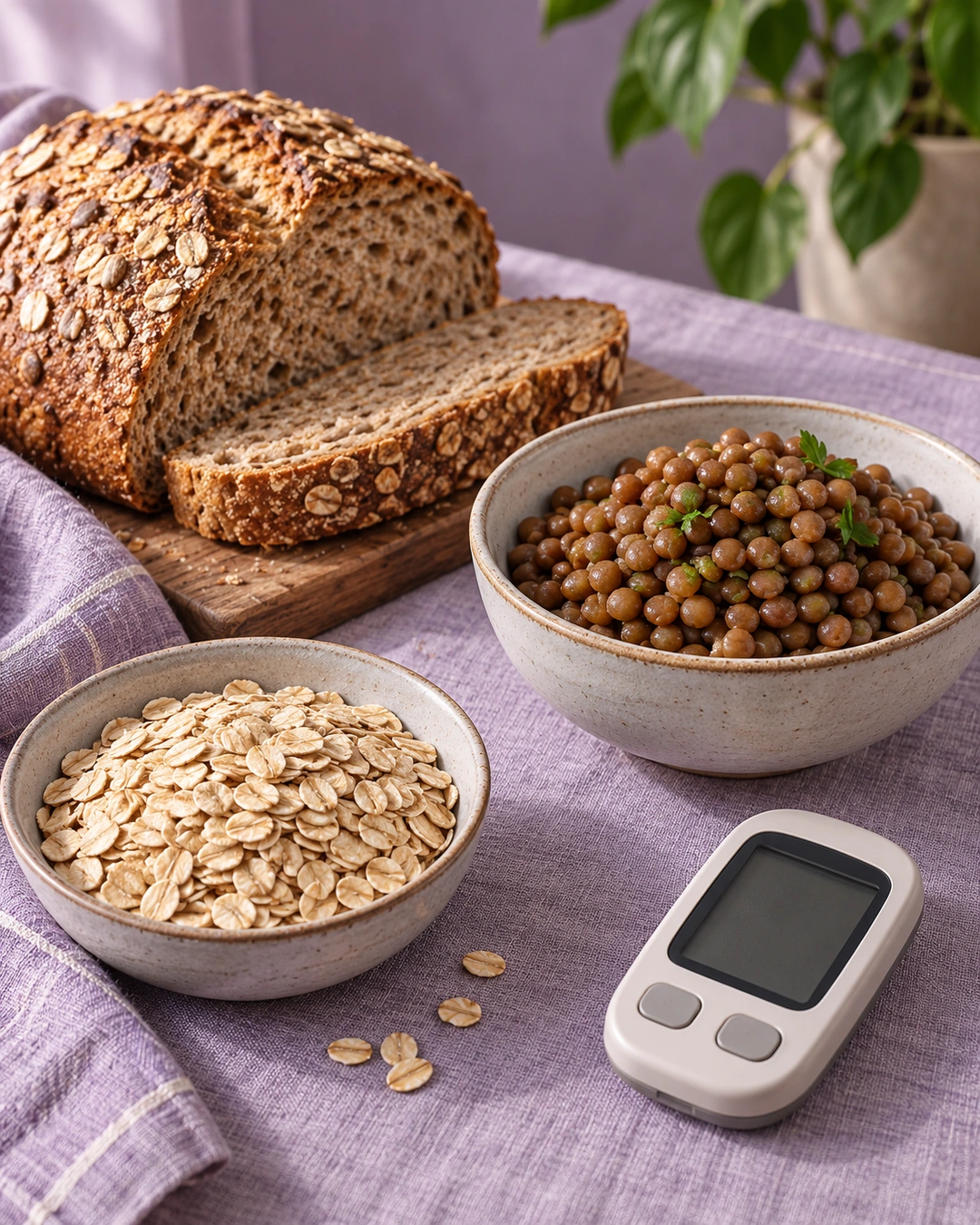
Short answer
Barely. Weight differed by only 0.82 kg between low and high glycemic index (GI) diets, which is almost no difference. After weight loss, people regained 0.95 kg less over 6 months, but that gap was gone after 1 year.
Do foods that raise blood sugar slowly help you lose more weight?
The formula: 'slow blood sugar rise → less insulin → less fat'. Is it true?
Foods with a low glycemic index (GI) raise blood sugar slowly after eating. A common claim is that this means less insulin, less fat storage and more weight loss. We checked with trials that measured body weight directly.
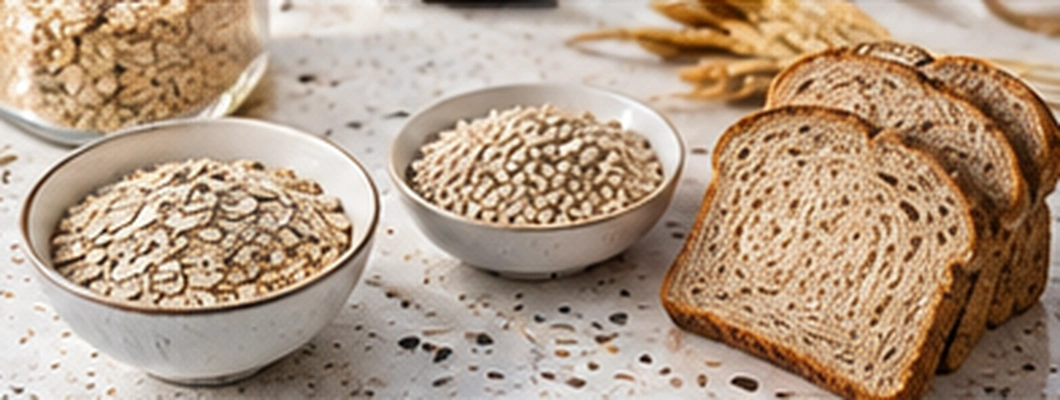
The weight difference was under 1 kg
82 kg in an analysis of 403 people
An analysis that pooled 7 trials (403 people) comparing low and high GI diets found a weight difference of 0.82 kg, which is almost no difference. Another analysis limited to people with a body mass index of 30 or more found a difference of 0.93 kg.
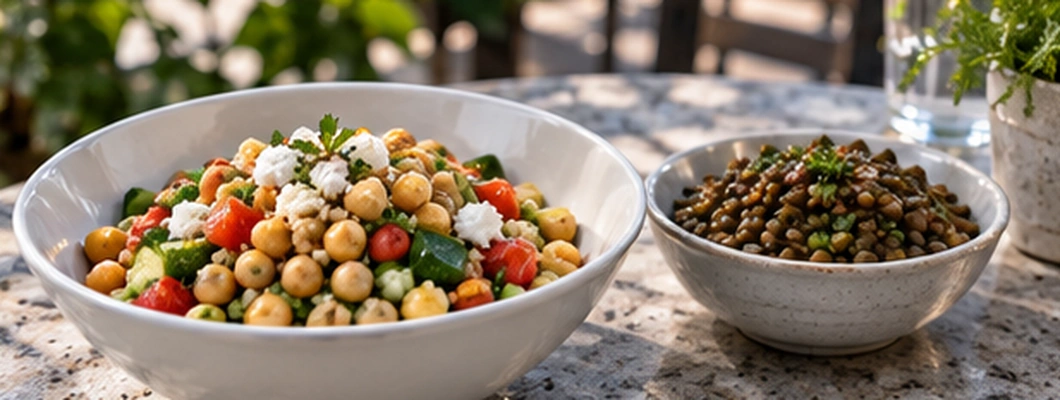
A bigger analysis also found a small gain
8,527 people; compared one diet at a time, there was no difference
An analysis that pooled 101 trials with 8,527 people found only a small extra weight loss with low GI diets, and no difference against any single comparison diet. An analysis of 14 trials found no difference in weight or waist, while lean mass (muscle and everything except fat) fell 1.04 kg more on low GI diets.
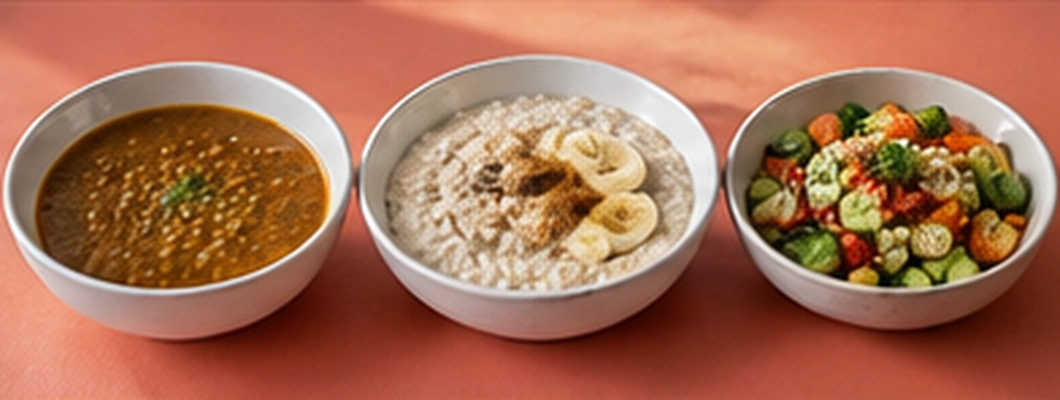
Matching foods to each person's blood sugar response
Did not beat a low-fat diet
199 people spent 6 months choosing foods that raised their own blood sugar less, guided by an app. Their weight fell 3.26%, no more than the 4.31% on a low-fat diet. Body composition changes also showed no difference.

For keeping weight off, about 1 kg
95 kg less regain over 6 months
773 people lost an average of 11.0 kg on an 800 kcal diet, then ate freely for 26 weeks. The low GI groups regained 0.95 kg less than the high GI groups. The real GI gap was only 4.7, short of the target of 15, and the higher-protein groups also regained 0.93 kg less.
By 1 year, the GI difference was gone
What remained was the protein difference
In 256 people who continued the same trial to 12 months, the higher-protein groups regained 2.0-2.8 kg less. Less regain with low GI did not show up after 1 year.

Summary: blood sugar speed did not decide weight
The gap was about 1 kg and gone after 1 year
Lowering GI changed weight by less than 1 kg, and its effect on regain was gone after 1 year. Over that year, protein made the difference. That trial set protein at 25% of daily calories (about 125 g on a 2,000 kcal day).
A better body starts with a better question.PHYSIQUE NEWS