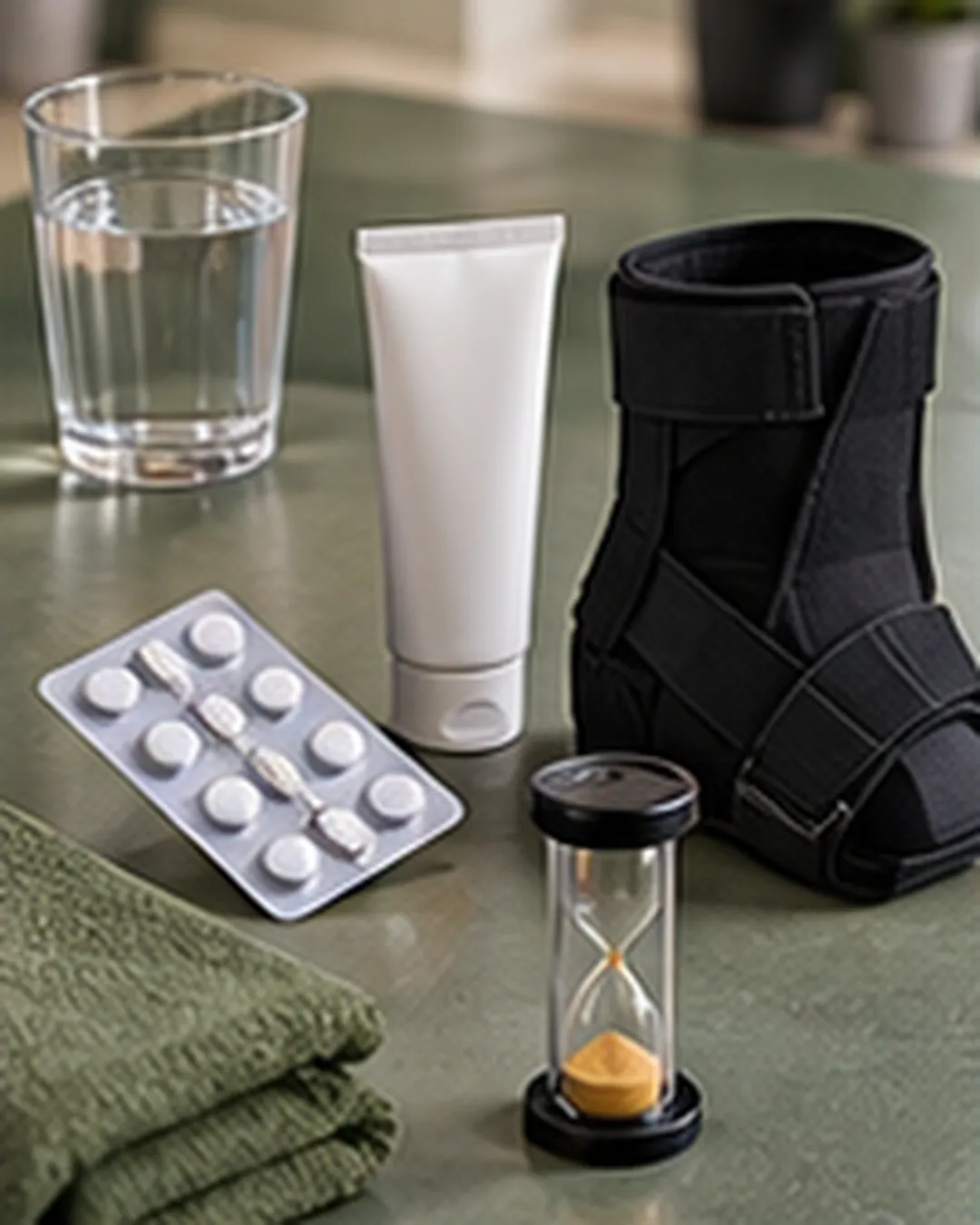
Short answer
Not with short use. Healing of muscles, sprained joints and tendons did not differ with these drugs, and for bone, the risk of not healing rose only with use beyond 2 weeks.
Do anti-inflammatory painkillers slow injury healing?
'Less inflammation → slower healing' — does this formula hold?
Inflammation is part of healing, so a common claim is that taking painkillers like ibuprofen to calm it slows recovery. We checked muscle, sprained joints, tendons and bone in turn.
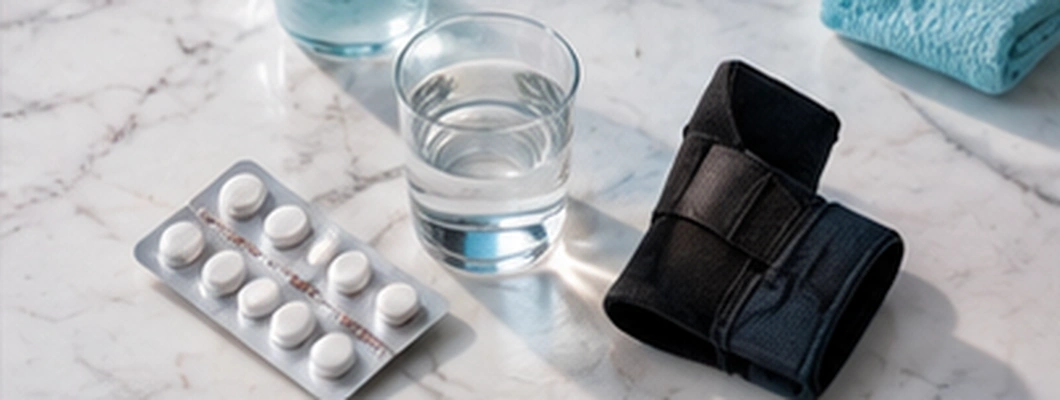
When a muscle tears
The painkiller did not slow healing
44 people with a torn hamstring took one of two anti-inflammatory painkillers or a fake pill for 7 days alongside physiotherapy. Pain, swelling and strength improved in all three groups, with no difference between them. Among the most severe injuries, pain on day 7 was lower in the fake-pill group.

When exercise damages muscle
9 days of pills, strength recovery unchanged
33 people took an anti-inflammatory or a fake pill for 9 days after hard arm exercise. Strength recovery and markers of inflammation and repair showed no difference; only soreness was lower with the drug. Muscle repair cells failed to rise only when the drug was infused straight into the thigh muscle of 8 people (the other leg rose 96%).
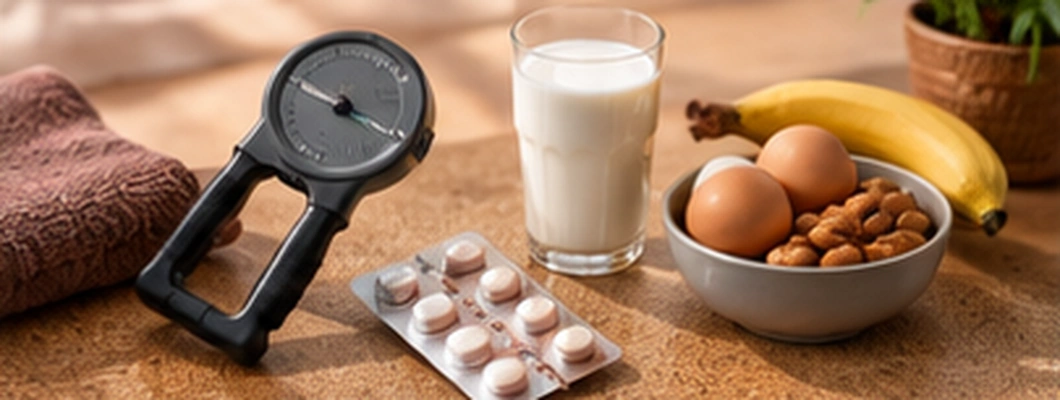
Sprains and strains
No difference from a regular painkiller
An analysis that pooled 20 trials with 3,305 people found anti-inflammatories gave no difference in pain versus acetaminophen (paracetamol) at 1–2 hours and 2–3 days. Swelling and return to normal activity after 7 days differed little. Stomach side effects like heartburn were slightly more common with anti-inflammatories.

After tendon repair
No difference in re-tear rates
Across 507 people who had shoulder tendon repair surgery (7 trials), re-tear rates did not differ between those who took anti-inflammatories and those who did not. Pain right after surgery was lower with the drugs.
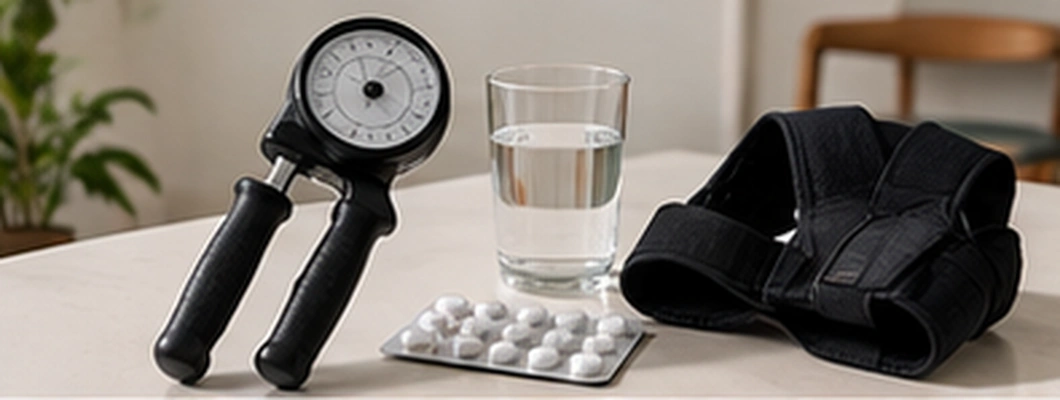
For bone, duration made the difference
14 days or less did not raise the risk
An analysis that pooled 38 studies found the risk of a bone not healing was 1.56 times higher with anti-inflammatories. But use for 14 days or less did not raise the risk, and risk trended up with higher doses. In 6 trials (609 people), use for under 2 weeks showed no difference in risk.

Summary: short use did not slow healing
The formula held only for long use on bone
In muscle, sprained joints and tendons, no result showed these drugs slowing healing. They did not speed it up either, and pain relief did not differ from acetaminophen. For broken bones, the risk of the bone not healing rose with use beyond 2 weeks and with higher doses.
A better body starts with a better question.PHYSIQUE NEWS