Short answer
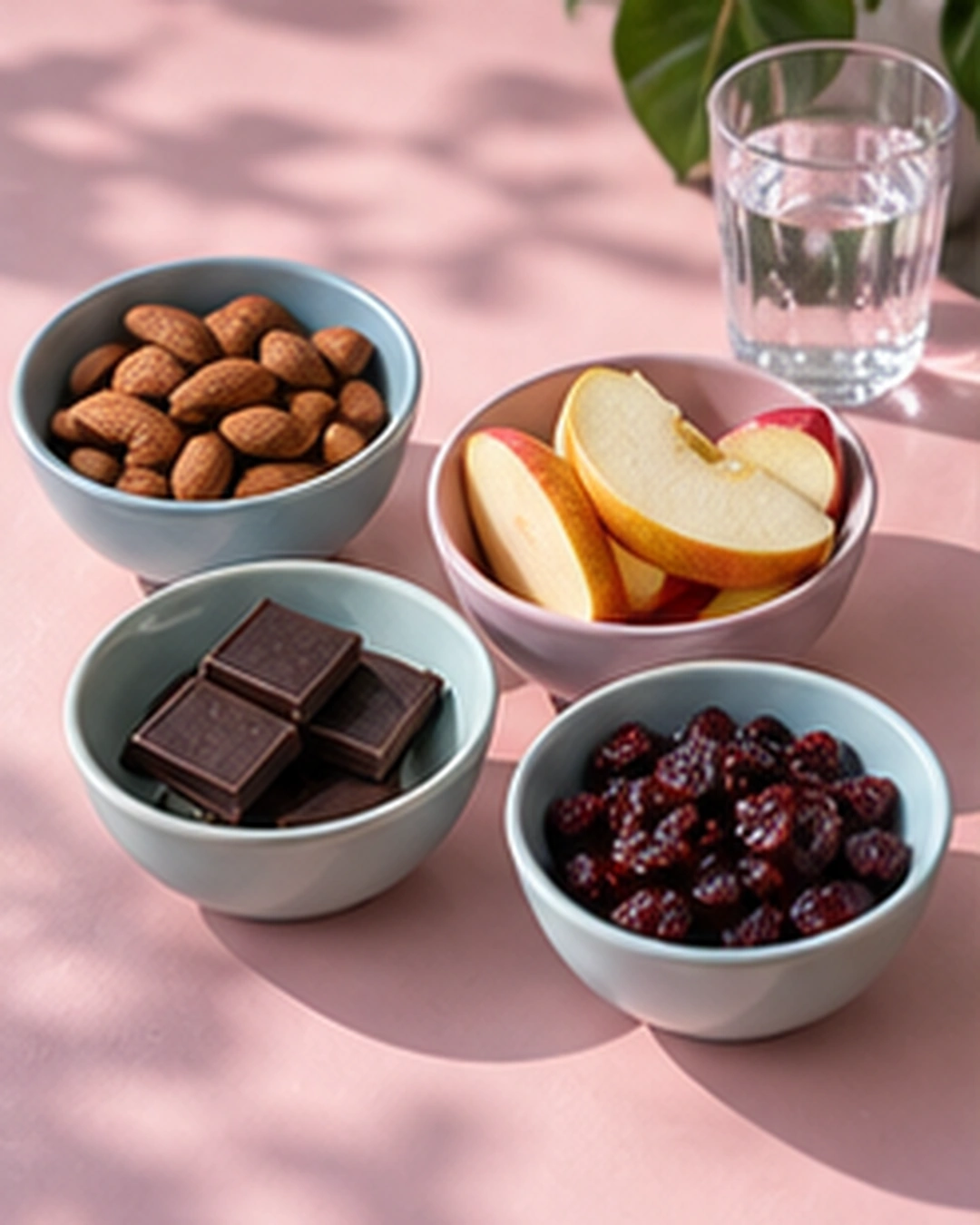
Not when the amount is set. 118 people eating a set 260 kcal snack daily for 12 weeks cut other foods by 61% of its calories, and their weight matched the no-snack group. Self-chosen snacking was different: in 10,162 people followed for 4.6 years, for those who snacked between meals the risk of passing about 87 kg for a height of 170 cm was 1.69 times higher.
Does snacking make you gain more weight?
'Snacks → more daily calories → weight gain': is it true?
People often say snacking between meals is a shortcut to gaining weight. We checked whether weight actually went up when people ate extra snacks, and whether the body made up for it at other meals.
Extra snacks every day for 12 weeks
The math said 2.8 kg, the actual gain was 0.64 kg
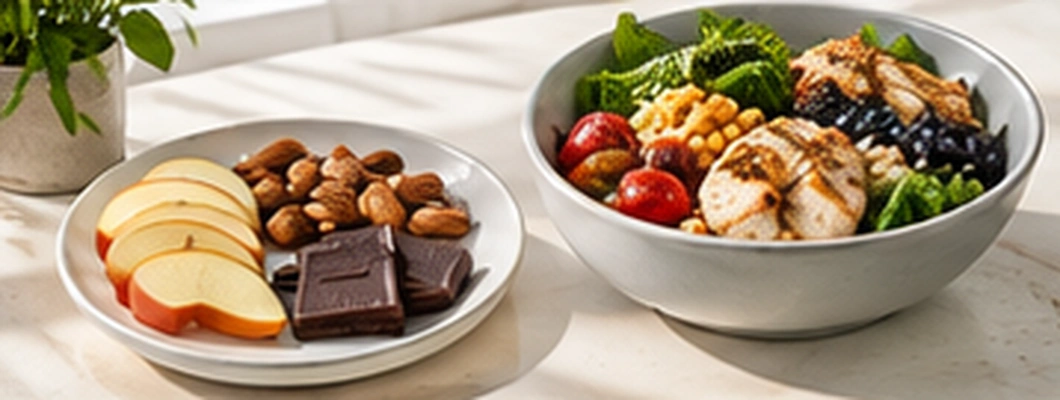
For 12 weeks, 118 people were given an extra snack of about 260 kcal a day, either hazelnuts, chocolate, or potato chips, and compared with a group given no snack. Based on calories alone they should have gained 2.8 kg, but the average gain was 0.64 kg, no different from the no-snack group.
Why so little gain?
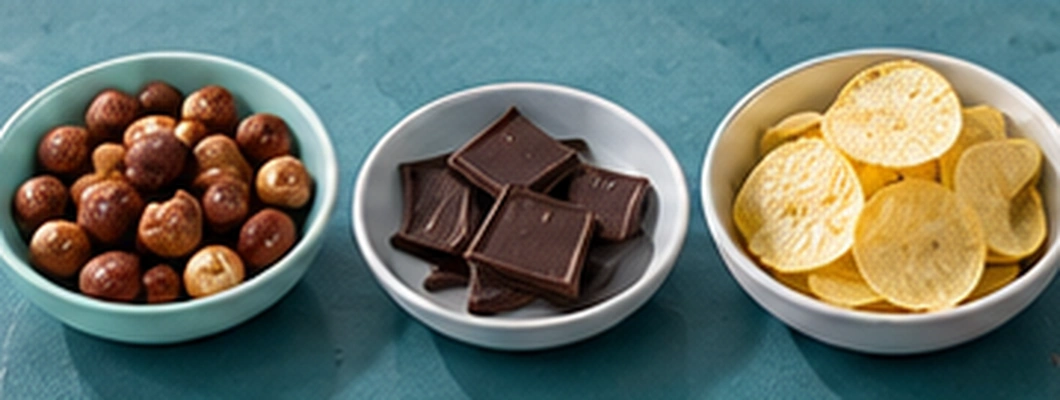
People ate less of other foods, by 61% of the snack's calories
In the same study, 61% of the snack's calories were offset by eating less of other foods. In an experiment where 27 people ate a cheese snack of about 200 kcal with 22 g of protein 1 hour before lunch, they ate less at lunch by 67-83% of the snack's calories, and less over the whole day by 122-142%, more than the snack itself.
What about a full year?
Almonds or biscuits, weight change did not differ
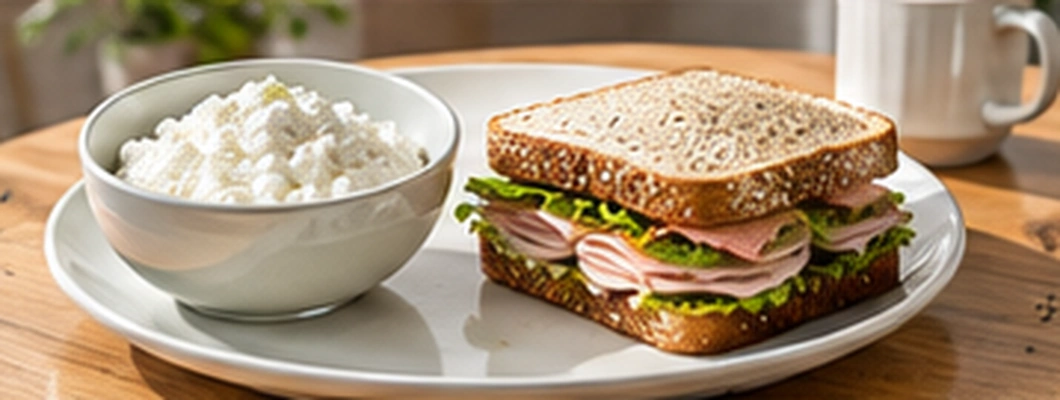
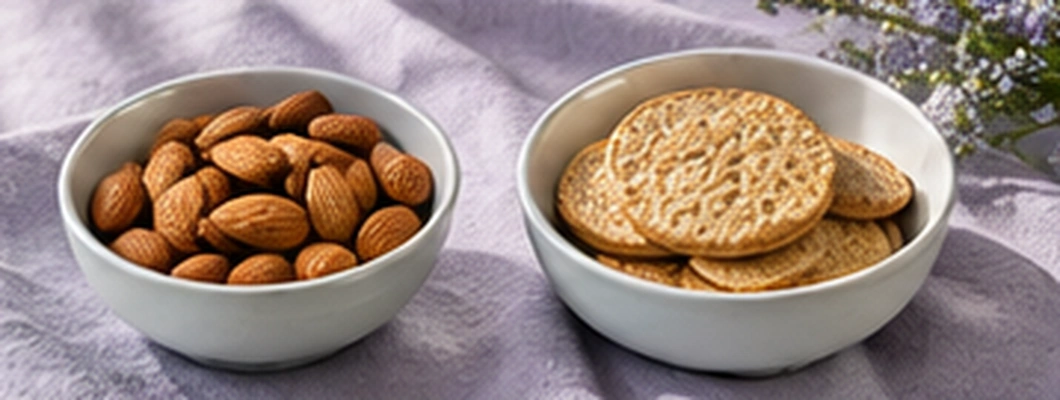
136 people who regularly ate snack foods got 10% of their daily calories from either almonds or biscuits for 1 year. Changes in weight and body composition did not differ between the two groups. An analysis that pooled 55 studies giving nuts every day also found no weight gain, even when people were not told to cut back on other foods.
But self-chosen snacking habits were different
The risk of becoming obese within 4.6 years was 1.69 times higher
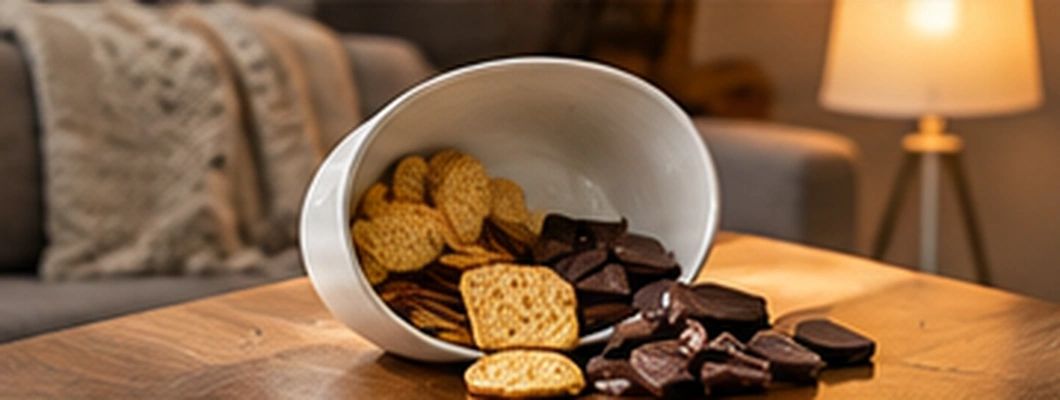
In a study that followed 10,162 people for an average of 4.6 years, those who said they usually ate between meals had a 1.69 times higher risk of going past about 87 kg for a height of 170 cm. A 2024 review of 40 studies also found that in studies following adults over time, eating more chips and sweets went along with weight gain.
What was different?
Smaller snacks cut daily calories
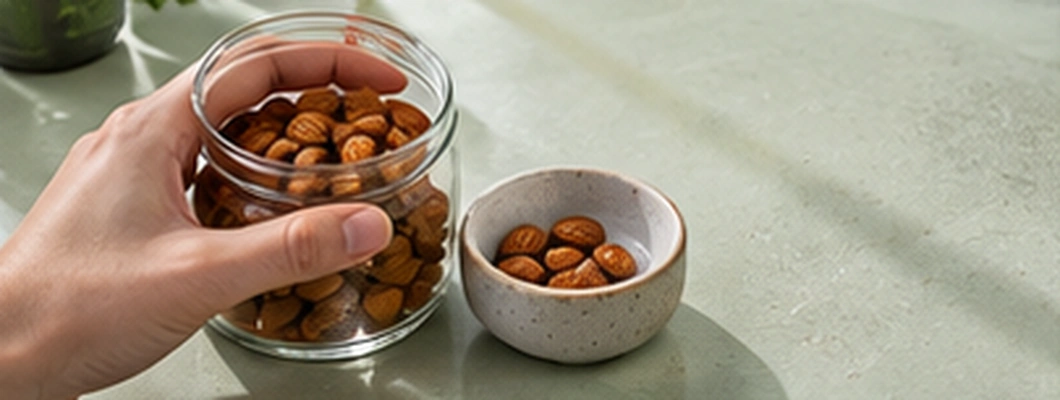
A review of 40 studies found that making snacks smaller reduced both how much of the snack people ate and their daily calories. Weight did not rise in trials that set the amount; the higher risk came from surveys that asked about people's own snacking habits.
Summary: the problem is added calories, not snacks
With a set amount, the body balanced it out at other meals
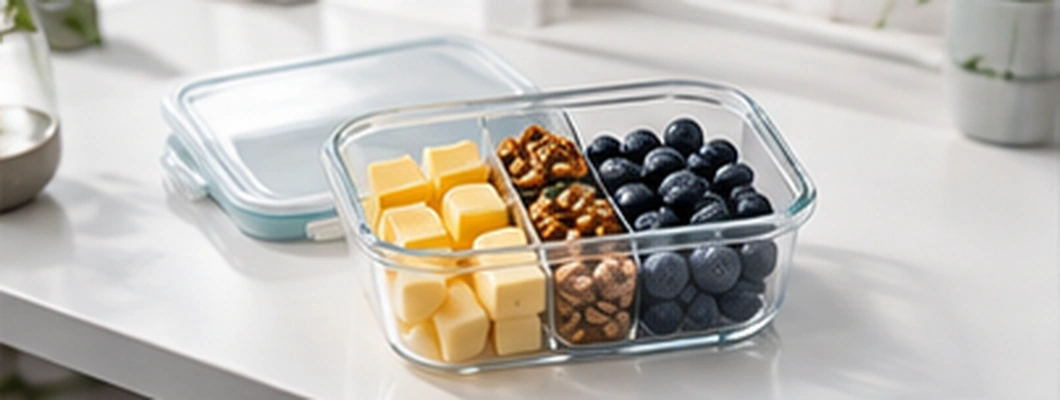
In the trial where people ate a set snack of about 260 kcal a day, they ate 61% of those calories less from other foods, and their weight did not differ from the no-snack group. The protein cheese snack was fully offset over the whole day. Self-chosen snacking habits came with a 1.69 times higher risk of becoming obese within 4.6 years. Portioning out snacks in advance and picking small packs does the job.
A better body starts with a better question.PHYSIQUE NEWS