
Short answer
Yes. When 16 people ate the same extra 1,000 kcal a day for 8 weeks, fat gain differed up to 10-fold, and what made the difference was everyday movement, not exercise. During a diet this movement tends to drop, and those who kept up their step counts held on to their weight loss better.
Does everyday movement outside the gym decide how much fat you gain?
'1 hour of exercise > the other 23 hours' — does this formula hold?
Most people think losing fat starts with more workout time. But movement that is not exercise, like walking, standing and fidgeting, also counts toward the calories you burn each day. We checked how much this everyday movement affects fat gain.

Same extra food, 10-fold difference in fat gain
Everyday movement made the difference
16 people ate 1,000 kcal a day more than they needed for 8 weeks. 2/3 of the rise in calories burned came from everyday movement (holding posture, fidgeting, daily activity), not exercise. Fat gain varied up to 10-fold between people, and everyday movement explained that difference.

The heavier group sat 2 hours more a day
Moving that much would burn 350 kcal a day
The posture of 10 lean and 10 heavier people was recorded every 0.5 seconds for 10 days. The heavier group sat 2 hours more per day on average. Standing and moving as much as the lean group would burn an extra 350 kcal a day. Losing or gaining weight did not change how long they sat.

But standing alone is small
6 hours of standing: 54 kcal a day
An analysis that pooled 46 studies with 1,184 people found standing burns 0.15 kcal more per minute than sitting. For a 65 kg (143 lb) person, standing 6 hours a day adds 54 kcal. If food intake stays the same, that equals about 2.5 kg of body fat in 1 year. Small per day, but it adds up.

More steps, less weight
Walking alone, no diet: 1.27 kg
In 9 studies with 307 people who raised their steps with a pedometer and no diet, weight fell 1.27 kg, typically over 16 weeks, or 0.05 kg per week. In an analysis of 18 trials that also changed diet, daily steps rose from 7,486 to 8,454 and weight fell 4.39%, and more steps went with keeping more of the loss.
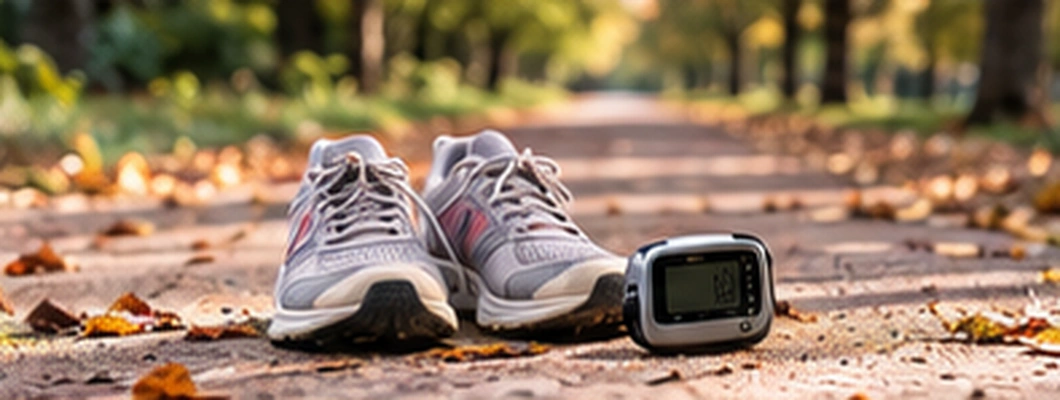
Dieting cut everyday movement
It dropped most often with diet alone
An analysis that pooled 36 studies with 1,561 people found everyday movement dropped in 26 of 70 groups. That was 63% of diet-only groups, 27% of diet-plus-exercise groups and 23% of exercise-only groups. People whose everyday movement dropped had lost twice as much weight.

Bottom line: time outside the gym decided fat gain
During a diet, guarding your step count is enough
With the same extra food, fat gain differed up to 10-fold depending on everyday movement, and 2 hours of sitting made a 350 kcal daily difference. Everyday movement dropped most often with diet alone. During a diet, counting your daily steps and keeping them from falling is enough.

A better body starts with a better question.PHYSIQUE NEWS