Short answer
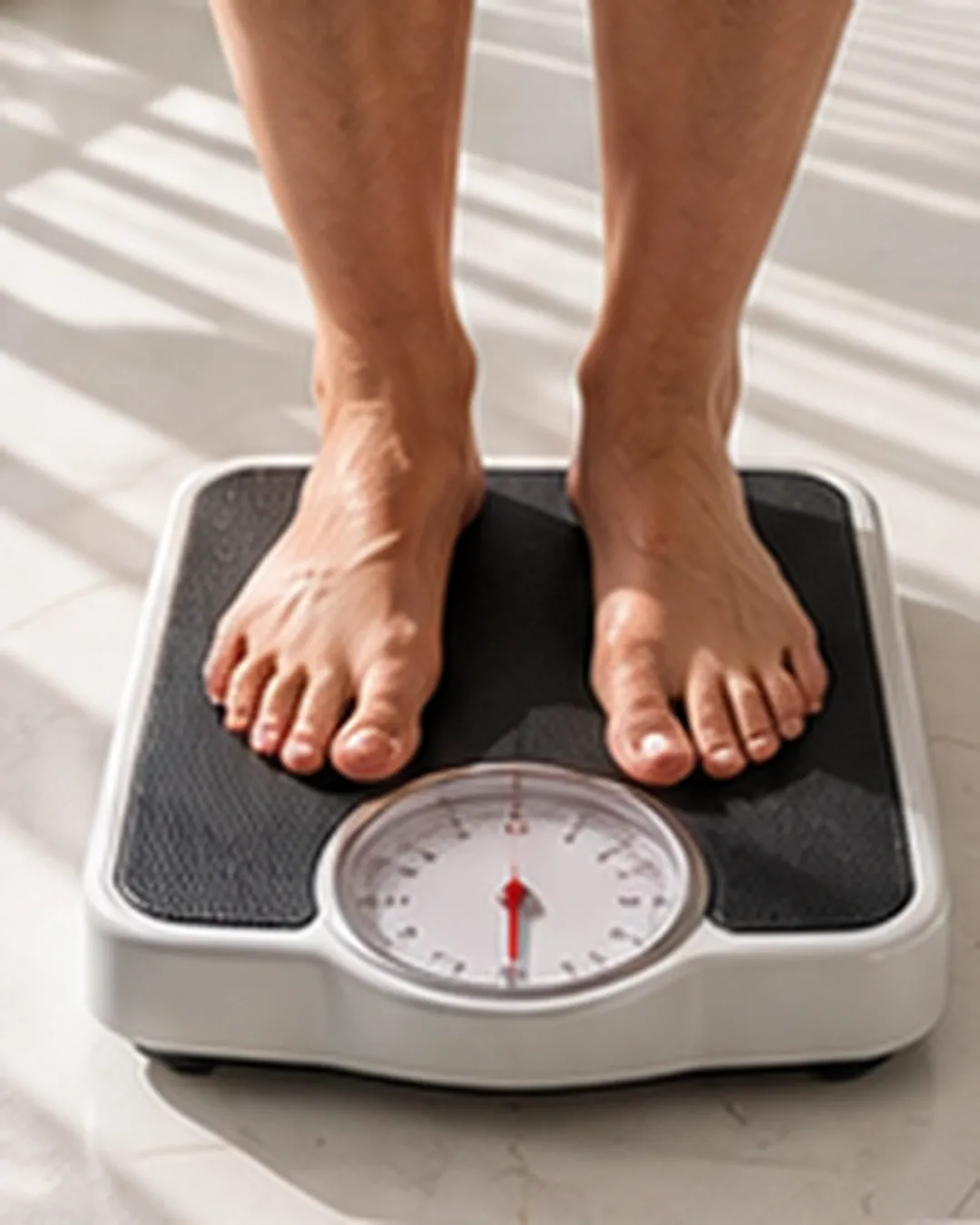
Not with a scale alone. When people only weighed themselves, the difference was 0.5 kg, not meaningful. Those who weighed daily and adjusted along with a food and exercise plan lost 6.55% of body weight in 6 months and regained less.
Does weighing yourself every day help you lose more weight?
'Weigh more often → lose more' — does this formula hold?
A common tip is to step on the scale every morning while dieting. Others say daily weighing only adds stress. We checked step by step whether the scale helps you lose weight, and whether your mind stays okay.

Does a scale alone work?
No, the difference was 0.5 kg
In an analysis that pooled randomized trials on self-weighing, only 1 study tested weighing alone with no other help, and the 0.5 kg difference was not meaningful. In the same analysis, adding self-weighing to a weight-loss program led to 1.7 kg more weight loss.
Daily weighing with a plan?
55% of body weight lost in 6 months
91 people were split into two groups. One group weighed daily for 6 months and got a weight graph plus weekly email feedback. They lost 6.55% of their body weight, versus 0.35% in the waiting group. The daily weighers ate 1,509 kcal a day, less than the 1,856 kcal eaten by the other group.
Is daily better than weekly?
What counted was what you did after weighing
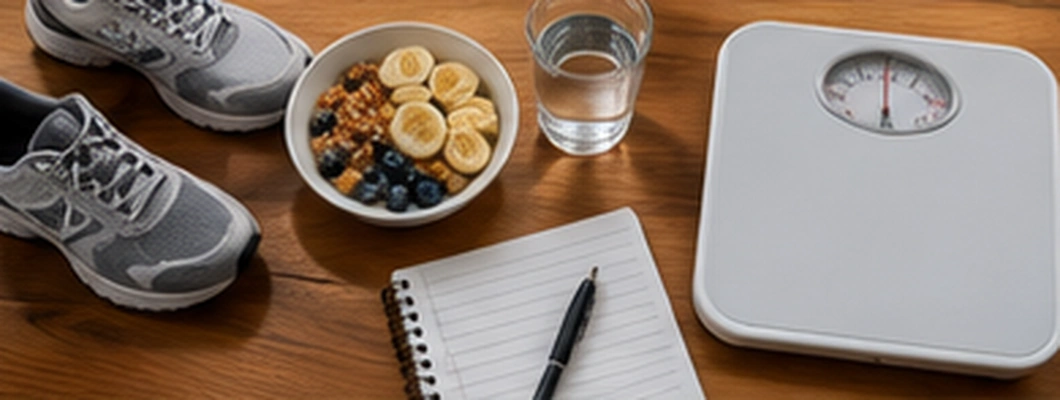
Across pooled trials, studies that told people to weigh daily and those that said weekly showed no difference in weight loss. Of 47 people, the 24 who actually weighed every day lost more, and they used 17.6 weight-control habits versus 11.2 for those who weighed less often.

What about keeping it off?
Regain fell from 72.4% to 45.7%
314 people who had lost an average of 19.3 kg within 2 years got an 18-month program built around daily weighing. Regaining 2.3 kg or more happened to 72.4% of the newsletter-only group and 45.7% of the face-to-face group. The more people weighed daily, the lower their risk of regain.

Does daily weighing hurt your mind?
Not inside a weight-loss plan
Among the 91 people, daily weighing for 6 months did not raise depression or binge eating, and body dissatisfaction actually dropped. A study that followed 178 people for 18 months also found no rise in eating-disorder symptoms in daily weighers. But 69 people who got only a weight graph, with no other help, felt more weight-related stress within 2 weeks.

The day the number goes up is the hard part
Food logging and exercise dropped that day
50 people weighing daily during weight loss felt worse and more guilty on days their weight went up. The more guilt they felt, the less they logged food and the less they exercised that day. Daily numbers bounce around, so reading the trend works better.
Bottom line: the scale is a tool for a plan
Weighing alone 0.5 kg, with a plan 6.55%
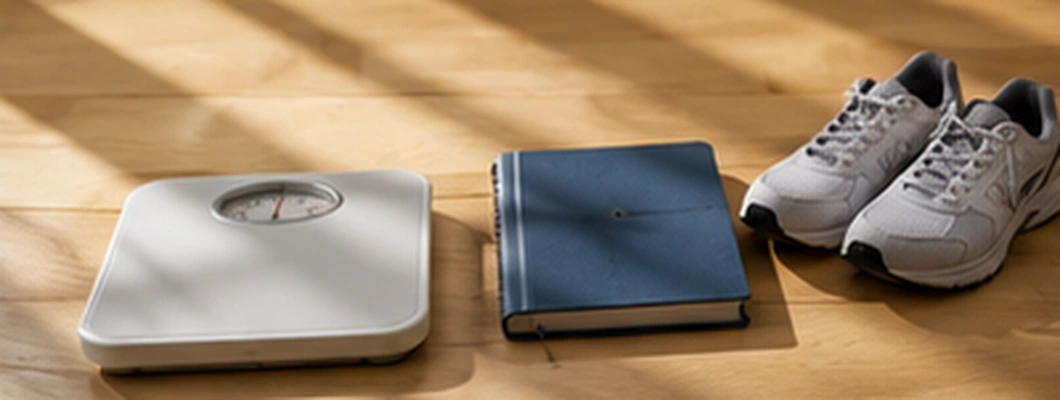
A scale on its own made no meaningful difference. With set goals for food and exercise, weighing daily and adjusting led to a 6.55% weight loss in 6 months, and less regain afterward. Daily weighing worked when it came with a plan, both for losing weight and keeping it off.
A better body starts with a better question.PHYSIQUE NEWS