Short answer
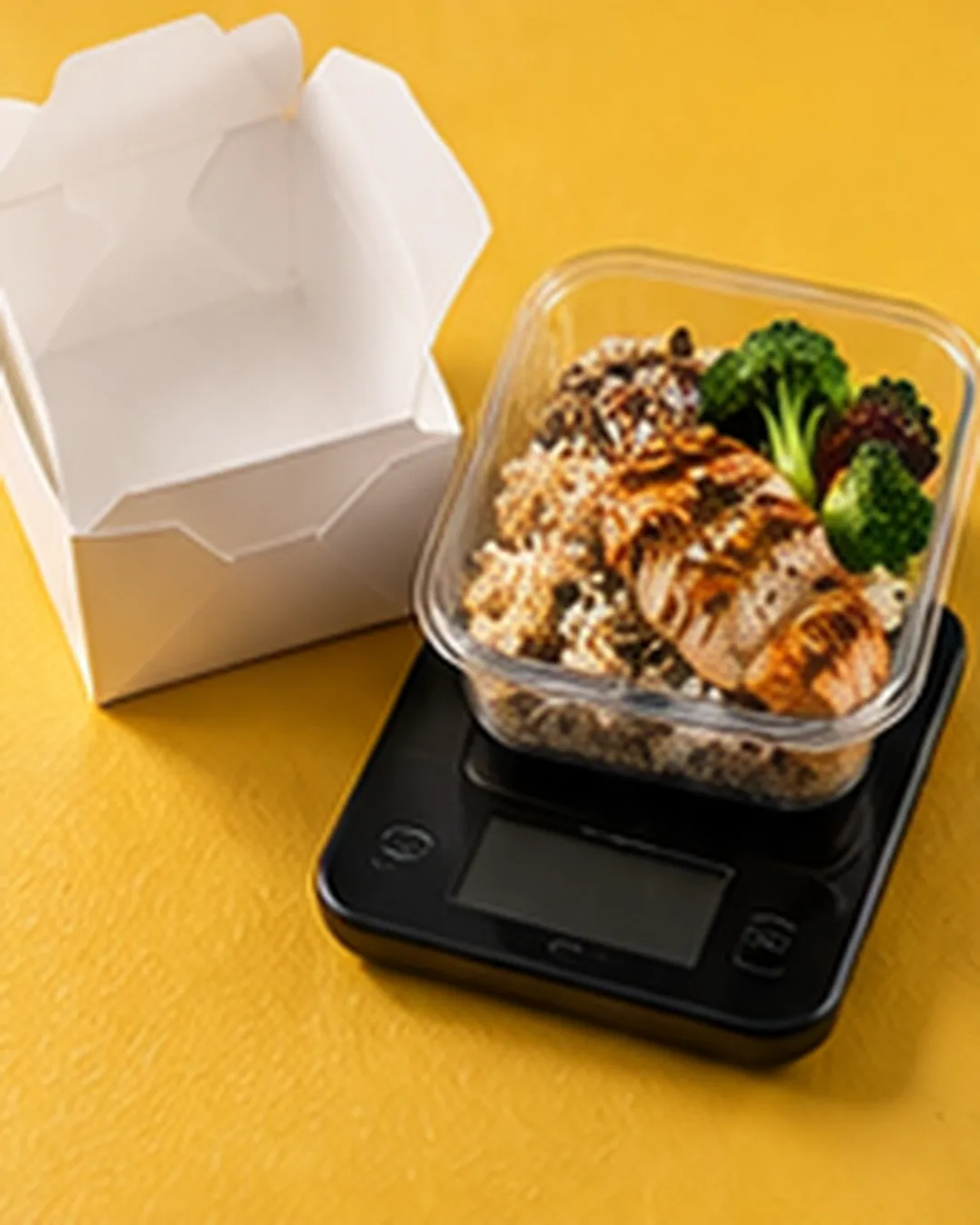
Fairly accurate. Packaged snacks had only 4.3% more calories than labeled. The big misses were restaurant food (35% off by more than 20%) and whole nuts (21–32% less absorbed than the label math).
How accurate are the calories on food labels?
'Label number = calories your body takes in' — does this hold?
When dieting, many people add up the calories printed on labels to track their day. We checked how well those numbers match the real food, and whether your body absorbs all of it.
How accurate are packaged snacks?
Real calories were 4.3% higher than the label
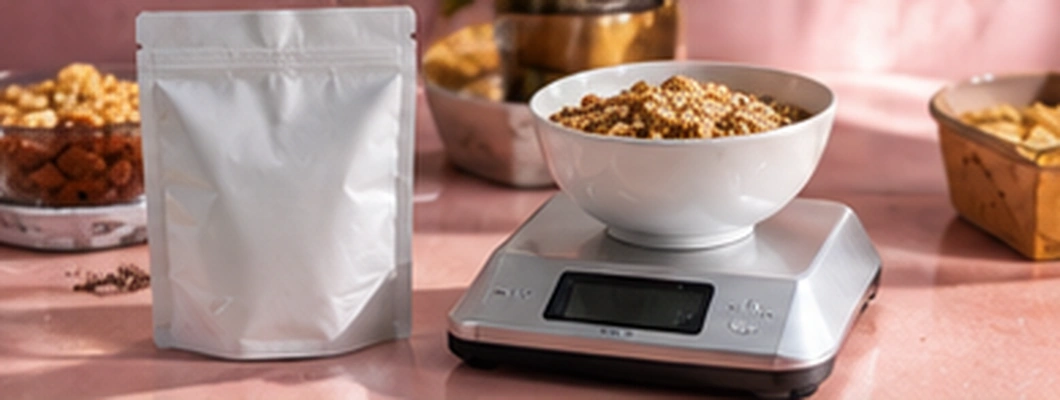
When 24 popular US snack foods were burned in a lab to measure their energy, the real calories were 4.3% higher than the label (median). Most of the gap came from more carbohydrate than listed and slightly bigger portions. It was still within what US law allows.
What about 'low-calorie' foods?
Frozen meals 8% higher, restaurant foods 18% higher
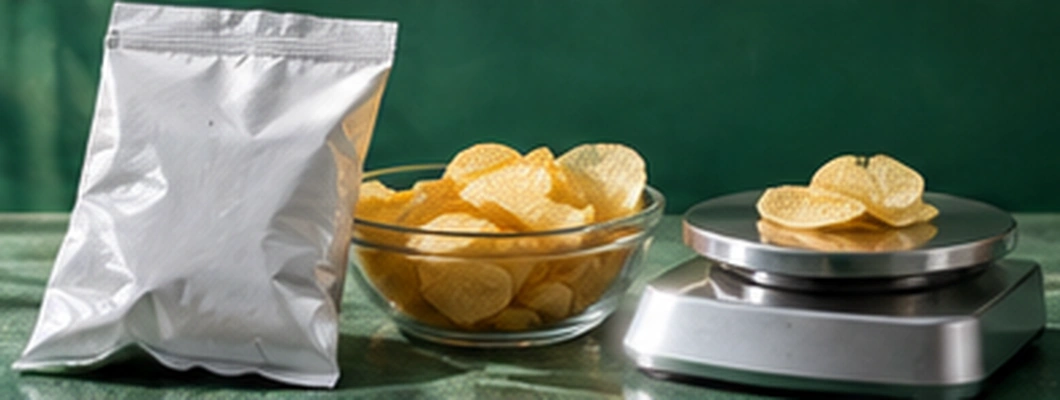
10 frozen meals sold as low-calorie had 8% more calories than stated on average, and 29 restaurant foods had 18% more. Some restaurant items had 2 times the stated calories, and adding the free side dishes brought the total to 245% of the stated calories.

Then what about menu calories?
1 in 3 items was off by more than 20%
In England, where menu calorie labels are required, 236 restaurant menu items were measured in 2024. On average they were about 17 kcal below the label, so close overall. But 35% differed from the label by more than 20%: 23% had fewer calories than stated and 11% had more.

But does your body absorb all of it?
Nuts delivered 21–32% less than the label math
In a study where 18 people ate almonds and all urine and stool was collected, a 28 g serving of almonds gave the body 129 kcal, 32% less than the label calculation (168–170 kcal). In a study of 18 people eating walnuts, 28 g gave 146 kcal instead of 185 kcal, 21% less.

The form of the nut mattered
The finer it was broken down, the more was absorbed
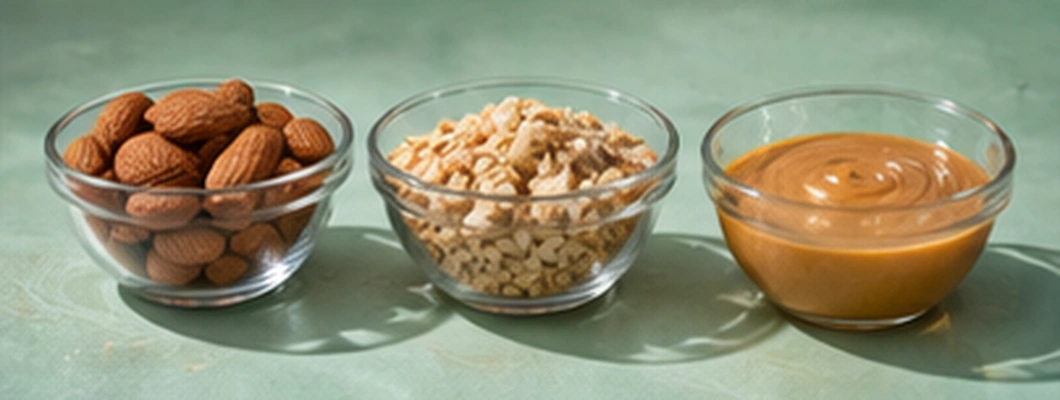
When 18 people ate almonds in different forms, absorbed calories per 1 g were 4.42 kcal for whole almonds, 5.04 kcal for chopped almonds and 6.53 kcal for almond butter. For 28 g, that is about 124 kcal versus 183 kcal. An analysis that pooled 21 studies also found flour, then chopped, then whole nuts absorbed the most.
Summary: label numbers are not far off
The big misses were restaurant food and whole nuts
Packaged snacks had 4.3% more calories than labeled, about 86 kcal on a 2,000 kcal day. The big misses were restaurant food (35% off by more than 20%) and whole nuts (21–32% less absorbed). You can add up packaged food as labeled and read eating-out numbers with that margin in mind.
A better body starts with a better question.PHYSIQUE NEWS