
Short answer
No. The problem was not being a night owl but actually going to bed late. Night owls who slept early had less diabetes, obesity and high blood pressure, and people who slept at the same time every day had a 20-48% lower risk of death.
Is it okay to go to bed late and wake up late?
'I'm a night owl, so late sleep suits my body' — does this formula hold?
A common idea is that as long as you get enough sleep, the clock time doesn't matter. If you're a born night owl, sleeping late might even suit you better. We checked this formula step by step against the research.
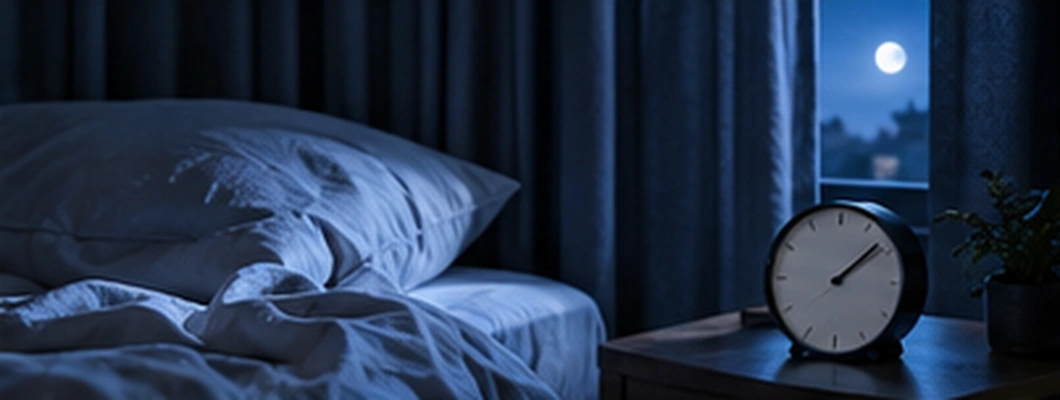
Night owls had a higher risk of death
433,268 people: definite night owls were 10% higher
A study that followed 433,268 people for an average of 6.5 years found that people who called themselves 'definite evening types' had a 10% higher risk of death than 'definite morning types', after accounting for smoking, weight and sleep length. Night owls also had more diabetes and mental illness.

But it wasn't the body clock itself
Take out smoking and drinking, and the gap disappeared
A study that followed 23,854 people for 37 years also found a 9% higher risk of death for evening types. But the gap was explained mainly by smoking and drinking. Among non-smokers who drank little or nothing, evening types had no higher risk of death.

The problem is actually going to bed late
Night owls who slept early had fewer diseases
A study that measured the sleep of 73,888 people with wrist devices found that late sleepers had more physical illness, whether they were morning or evening types. Night owls who slept early had lower risks of diabetes, obesity and high blood pressure, and less depression, than night owls who slept late. The researchers advised falling asleep before 1 a.m.

Sleeping at the same time daily matters more than the hour
Regular sleepers had a 20-48% lower risk of death
A study that measured the sleep of 60,977 people with wrist devices found that people with regular sleep had a 20-48% lower risk of death than those with the most irregular bed and wake times. Regularity predicted death risk better than hours slept, and the result held after accounting for what time people fell asleep.

Weekend sleep-ins are the same problem
A big weekday-weekend gap meant 1.2 times the obesity risk
An analysis of 43 studies with 231,648 people looked at the shift in sleep timing between weekdays and weekends. The bigger the shift, the higher the body fat and waist size, and the risk of overweight or obesity was 1.2 times higher. Early on weekdays and late on weekends works like jet lag for the body.

What about workouts? Night owls were weaker in the morning
Performance depended on time since waking
In an experiment with 56 people, night owls had weaker grip and slower reactions than morning types at 8 a.m. Another study found peak performance depended on time since waking more than on clock time, and performance varied by up to 26% across the day.

Bottom line: a late-night habit is not okay
Before 1 a.m., at the same time every day
Being a night owl by nature wasn't the big problem, but actually going to bed late went along with more disease regardless of body clock. Even night owls do best falling asleep before 1 a.m. and keeping the same bed and wake times on weekdays and weekends. Workouts go better a while after waking, not right after.
A better body starts with a better question.PHYSIQUE NEWS