Short answer
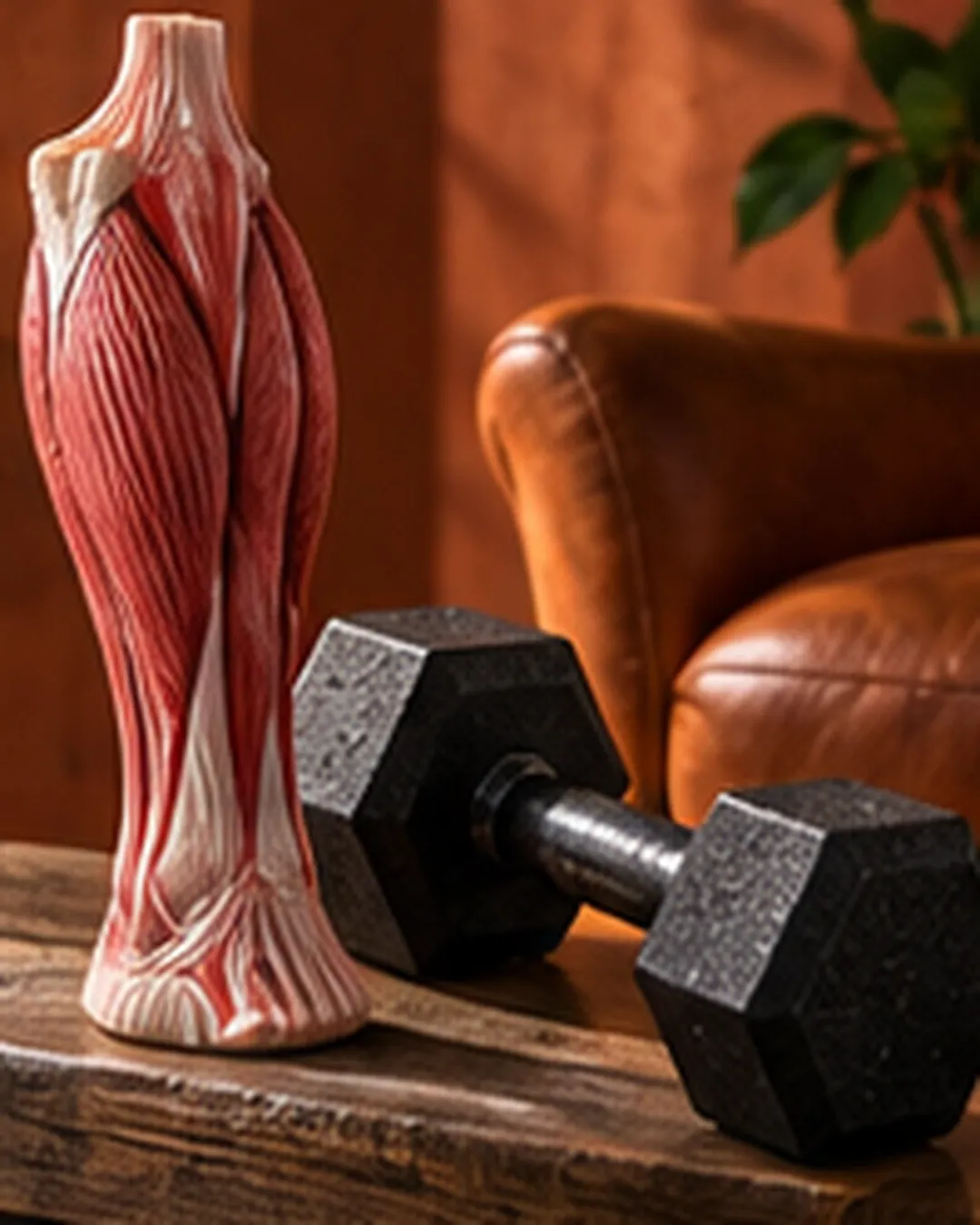
It does, but only a little. 1 kg of muscle uses about 13 kcal a day at rest, so the average 1.53 kg gained from strength training adds about 20 kcal a day. More than half of resting calories are used by the liver, brain, heart and kidneys.
Does gaining muscle make you burn more calories at rest?
'More muscle → higher resting metabolism → less fat gain' — is that right?
A common belief says building muscle makes you burn lots of calories even while doing nothing, so you gain less fat. We checked how much 1 kg of muscle really uses at rest, and how many kcal a day the muscle you gain from strength training adds.

1 kg of muscle uses 13 kcal a day
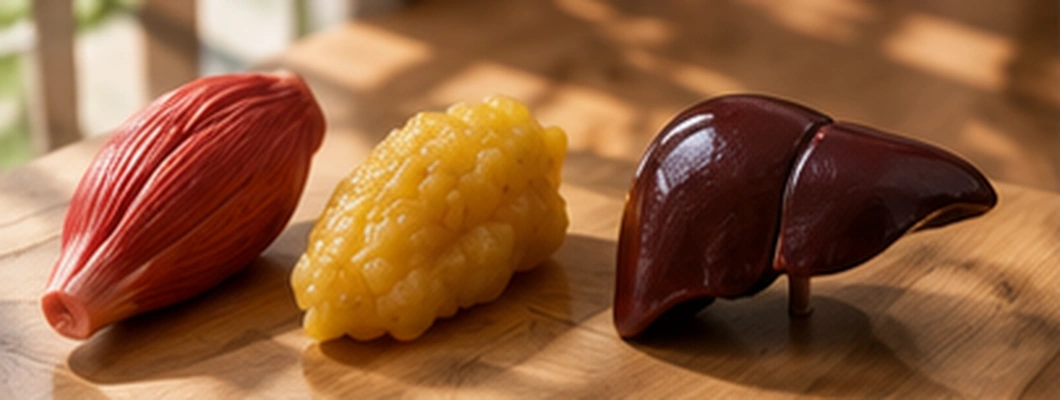
About 3 times fat, 1/15 of liver
Measuring organ and muscle size by MRI in 131 people and matching it to resting metabolism showed that, at rest, 1 kg of muscle used 13 kcal a day and 1 kg of fat 4.5 kcal. Per 1 kg, the liver used 200 kcal, the brain 240 kcal, and the heart and kidneys 440 kcal — far more than muscle.
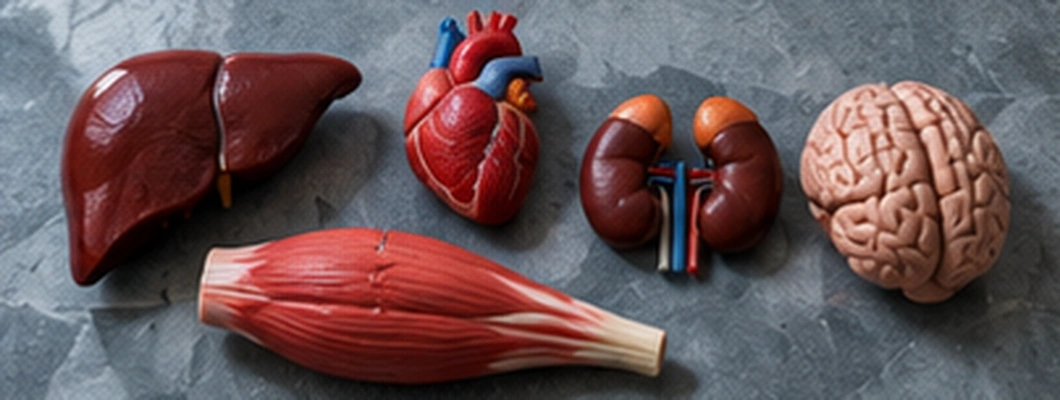
Organs use more than half of resting calories
3 kg of organs about 54%, 26 kg of muscle about 22%
Using the average of the same 131 people, the liver, brain, heart and kidneys — 3.3 kg — used about 860 kcal a day, about 54% of resting metabolism. Muscle, 26.3 kg, used about 340 kcal, about 22%. In another study of 26 people, liver size along with muscle set resting metabolism apart.
How much muscle does strength training add?
An average 1.53 kg across 111 studies — about 20 kcal a day
An analysis that pooled 111 strength training studies with 1,927 people found lean mass (muscle and everything except fat) rose by an average 1.53 kg. At 13 kcal per 1 kg of muscle, that is about 20 kcal a day — a little more than a spoonful of rice. Even if 1.53 kg of fat turned into muscle, the difference would be about 13 kcal a day.

Resting metabolism didn't follow muscle mass
The group that gained muscle had no difference in metabolism
In a trial that split 40 people into four groups for 4 months, only the strength-training-only group gained lean mass, yet resting metabolism did not differ between groups. The other way round, when 74 people did strength training for 6 months, resting metabolism rose from 1,671 to 1,843 kcal, but their muscle mass did not differ from the group that didn't train.

The rise wasn't due to muscle weight
Changes in metabolism and muscle were not linked
In the 74-person trial, how much resting metabolism rose was not linked to how much lean mass rose. At 13 kcal per 1 kg of muscle, explaining a 172 kcal rise would take more than 13 kg of new muscle. What raised metabolism was regular training, not the weight of the muscle.

Bottom line: muscle burns very little at rest
13 kcal a day per 1 kg, about 20 kcal for 1.5 kg
1 kg of muscle uses about 13 kcal a day at rest. The average 1.53 kg gained from strength training adds about 20 kcal a day. Organs use more than half of resting calories, and the rise in resting metabolism after strength training was not linked to muscle mass. Read the extra calories that added muscle burns at rest as a few dozen kcal a day at most.
A better body starts with a better question.PHYSIQUE NEWS