Short answer
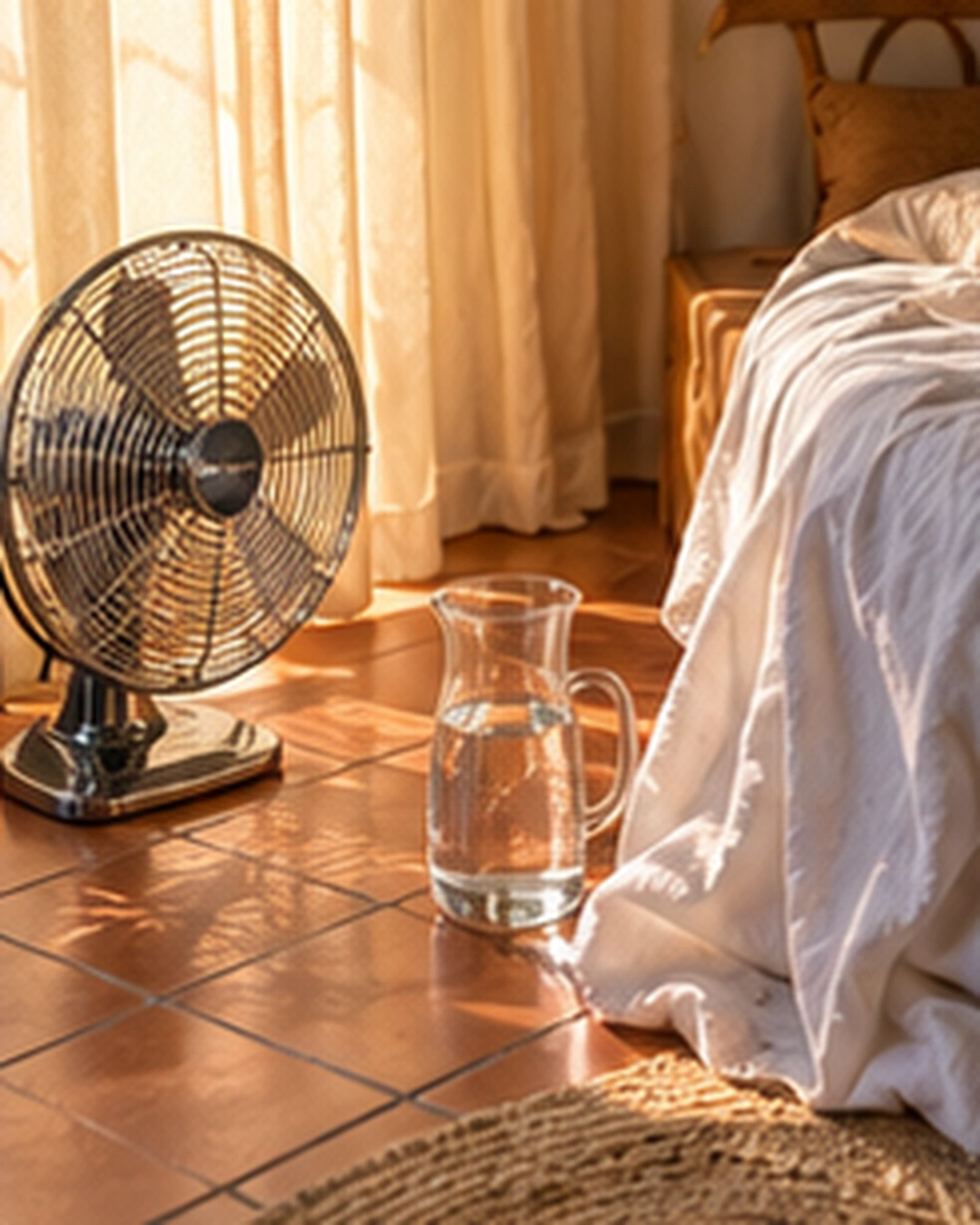
Yes. In a 32°C room, people slept 24.8 minutes less in one night and lost dream sleep. Humid heat cut deep sleep even more, and a mattress topper that pulls heat away from the body won back 21.4 minutes.
Does a hot bedroom make your sleep worse?
'Hotter room → worse sleep': is this formula right?
Tossing and turning on a hot summer night is a common complaint. But whether heat really ruins sleep, and by how much, needs checking. We looked at lab studies that heated the room and at sleep measured in real homes.
Heating a lab bedroom to 32°C
8 minutes less sleep in one night
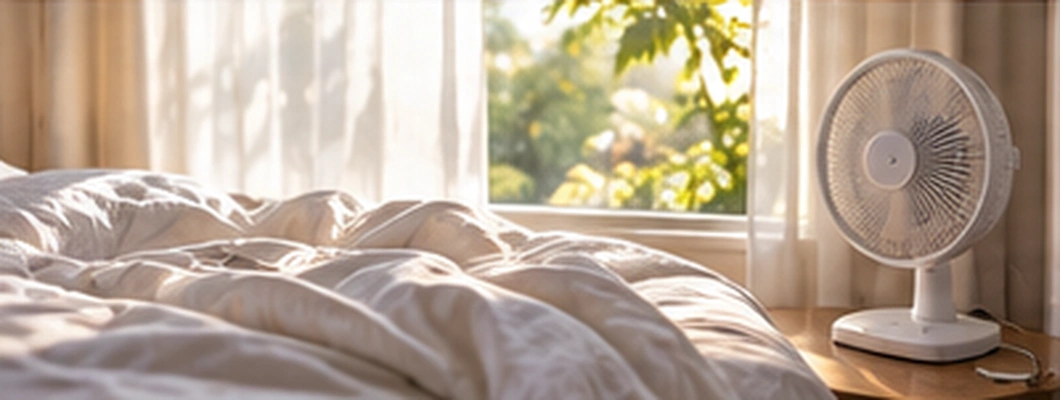
15 people slept in a 22°C room and a 32°C room. At 32°C, total sleep fell by 24.8 minutes, time awake after falling asleep rose, and dream sleep (REM sleep) fell. In another study, 18 people slept at 22°C and 30°C, and at 30°C total sleep time and sleep efficiency also dropped.
Humid heat was worse
At 35°C and 75% humidity, deep sleep fell
7 people slept in four rooms with different temperature and humidity. In the 35°C, 75% humidity room, time awake rose and deep sleep fell. At the same 35°C, 75% humidity brought less dream sleep and deep sleep than 50%, and body core temperature stayed high all night.
What about real life?
With outdoor temperature, same direction, only minutes
In wearable sleep records from 14,232 people, a night 10°C warmer than usual meant 2.63 minutes less sleep. In app records from 1,067 people in Korea, hotter days also brought a lower share of deep sleep and lower sleep efficiency, and sleep was worst in summer. These studies measured outdoor temperature, not the bedroom.

A study that measured the bedroom itself
From 25°C to 30°C, sleep efficiency fell 5~10%
A study put sensors in the bedrooms of 50 people aged 65 and over and recorded 10,903 nights. Sleep was most efficient at 20~25°C. When the bedroom rose from 25°C to 30°C, the share of time in bed actually spent asleep fell by 5~10%.
Cooling the body won sleep back
At 32°C, a cooling mattress gave 21.4 more minutes
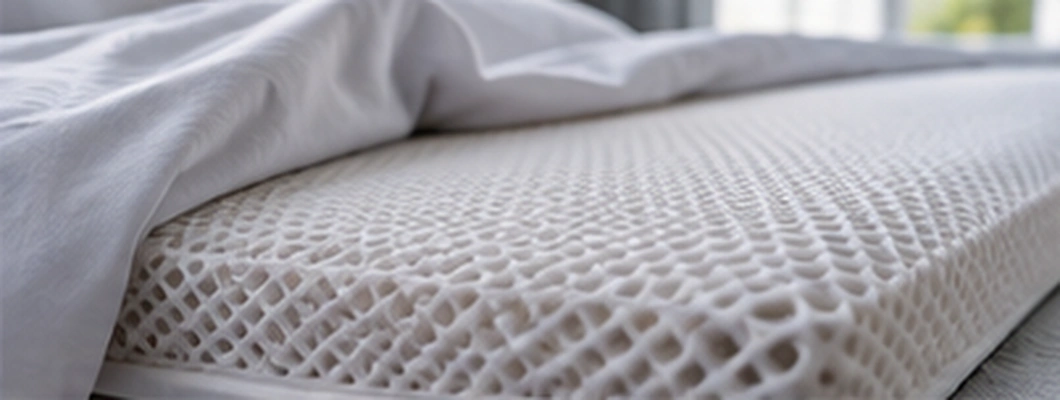
In a 32°C room, a mattress topper that draws heat away added 21.4 minutes of total sleep compared with a regular topper, cut time awake, and increased dream sleep. Skin and core temperature were lower at the same time. When the body cooled, sleep came back.
Summary: a hot room cuts sleep
High humidity cuts it more
In a 32°C room, people slept 24.8 minutes less in one night and lost dream sleep. Humid heat also cut deep sleep. In the study of people aged 65 and over, the best sleep came at a bedroom temperature of 20~25°C. Without air conditioning, bedding that pulls heat away from the body helps win sleep back.
A better body starts with a better question.PHYSIQUE NEWS