Short answer
Not from low salt. People who cramped showed no difference in blood sodium, and draining 4.7% of body weight as water on purpose left the cramp threshold unchanged. The strongest signals were a history of cramps (4.4 times) and a fast pace.
Are cramps during exercise caused by low water and salt?
'More sweat → less water and salt → cramps' — does this formula hold?
A common belief says cramps during exercise come from losing water and salt in sweat. We checked step by step whether people who cramp are really lower in water and salt, and whether draining water on purpose makes cramps easier to trigger.
Did people who cramped lose more water?
Weight change showed no difference
When 210 Ironman triathletes were measured before and after the race, the 43 who cramped and those who didn't showed no difference in weight change or blood electrolytes. In 72 ultramarathon runners, the 21 who cramped and 22 who didn't also showed no difference in weight change.
Then was salt low?
Potassium and magnesium were actually higher
An analysis pooling 9 studies and 11,274 people found no consistent link between cramps and blood sodium or weight change. Potassium and magnesium were actually higher in those who cramped. In 10,533 medical-tent records, blood sodium and potassium also showed no difference. In these records, those who cramped had lost more weight, but those cases came with exhaustion and low blood pressure.
Draining water on purpose
Losing 4.7% of body weight changed nothing
10 people exercised in the heat for 3.8 hours and sweated off 4.7% of body weight (3.9 L of water) and 4.0 g of sodium. Even so, the threshold for triggering a cramp with electrical stimulation did not change. With fatigue and effort controlled, losing water did not make cramps easier.
So what brought on the cramps?
People with past cramps had 4.4 times the odds
In the 11,274-person analysis, the strongest signal was having cramped before (4.4 times). Among the 210 triathletes, faster race times also raised the risk. Cramping muscles showed higher nerve activity (EMG). Cramps came when muscles worked hard and long.
Why does pickle juice work?
Cramps eased 49 seconds faster, before fluids were restored
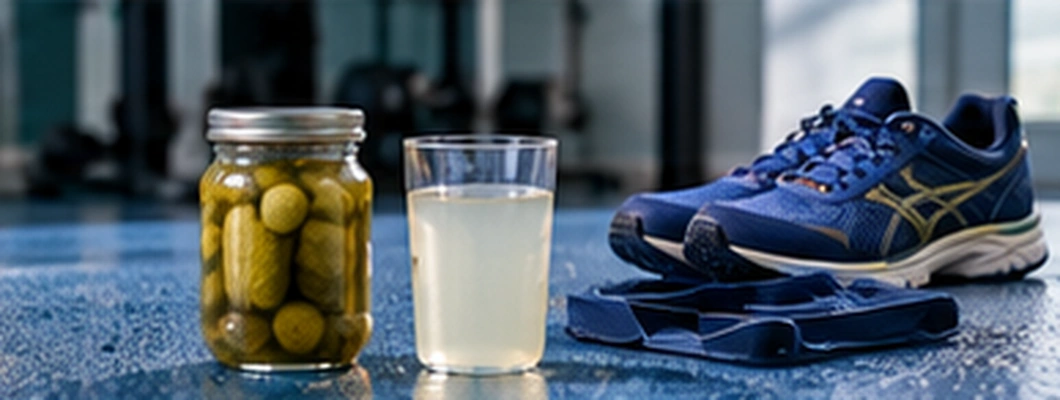
With 3% of body weight drained as water, a foot cramp was triggered, then pickle juice or water was given. With pickle juice the cramp lasted 84.6 seconds, with water 133.7 seconds. Blood makeup barely changed 5 minutes later. It eased through a nerve reflex starting in the mouth, not by replacing salt.
But gulping plain water made cramps easier
An electrolyte drink did the opposite
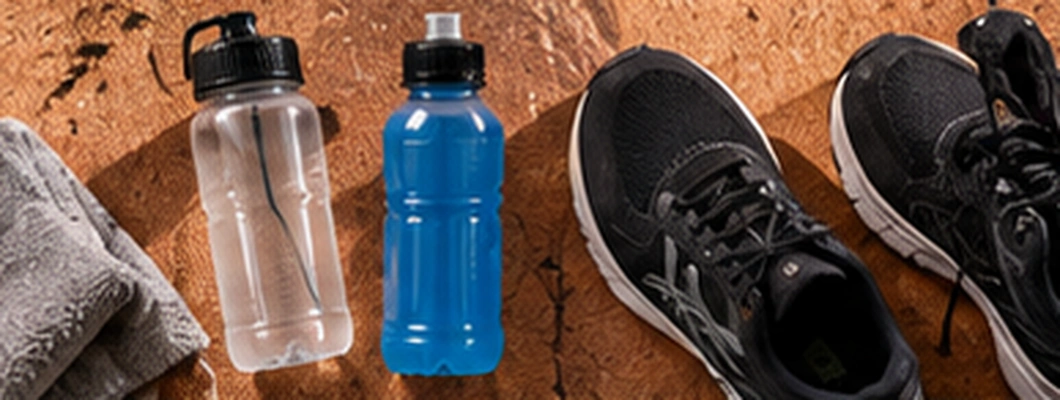
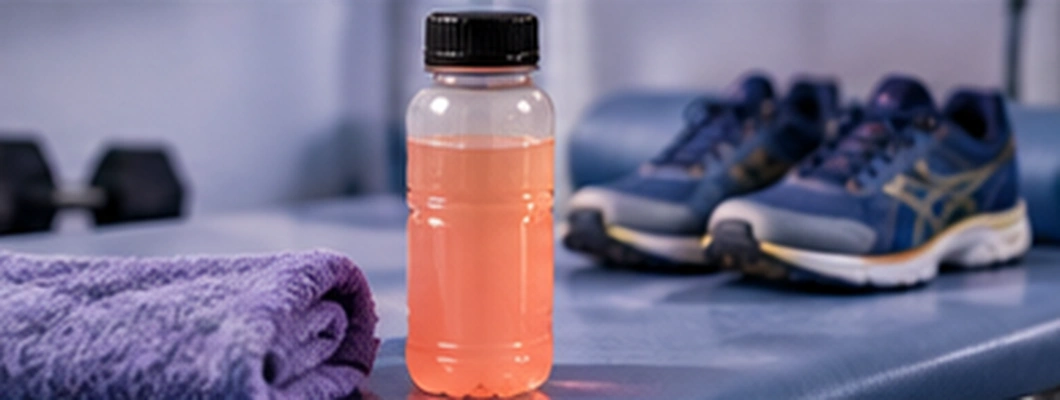
10 people ran in the heat and sweated off 1.5-2% of body weight, then drank plain water; the cramp threshold dropped by 4.3-5.1, so cramps came more easily. With an electrolyte drink it rose by 3.7-5.4. Blood sodium got diluted only after plain water.
Bottom line: cramps are muscle fatigue more than low water or salt
Just avoid replacing heavy sweat with plain water alone
People who cramped were not lower in salt, and losing 4.7% of body weight left the cramp threshold unchanged. The signals were a history of cramps and a fast pace. Drinking lots of plain water on a heavy-sweat day made cramps easier, so an electrolyte drink works for those days.
A better body starts with a better question.PHYSIQUE NEWS