Short answer
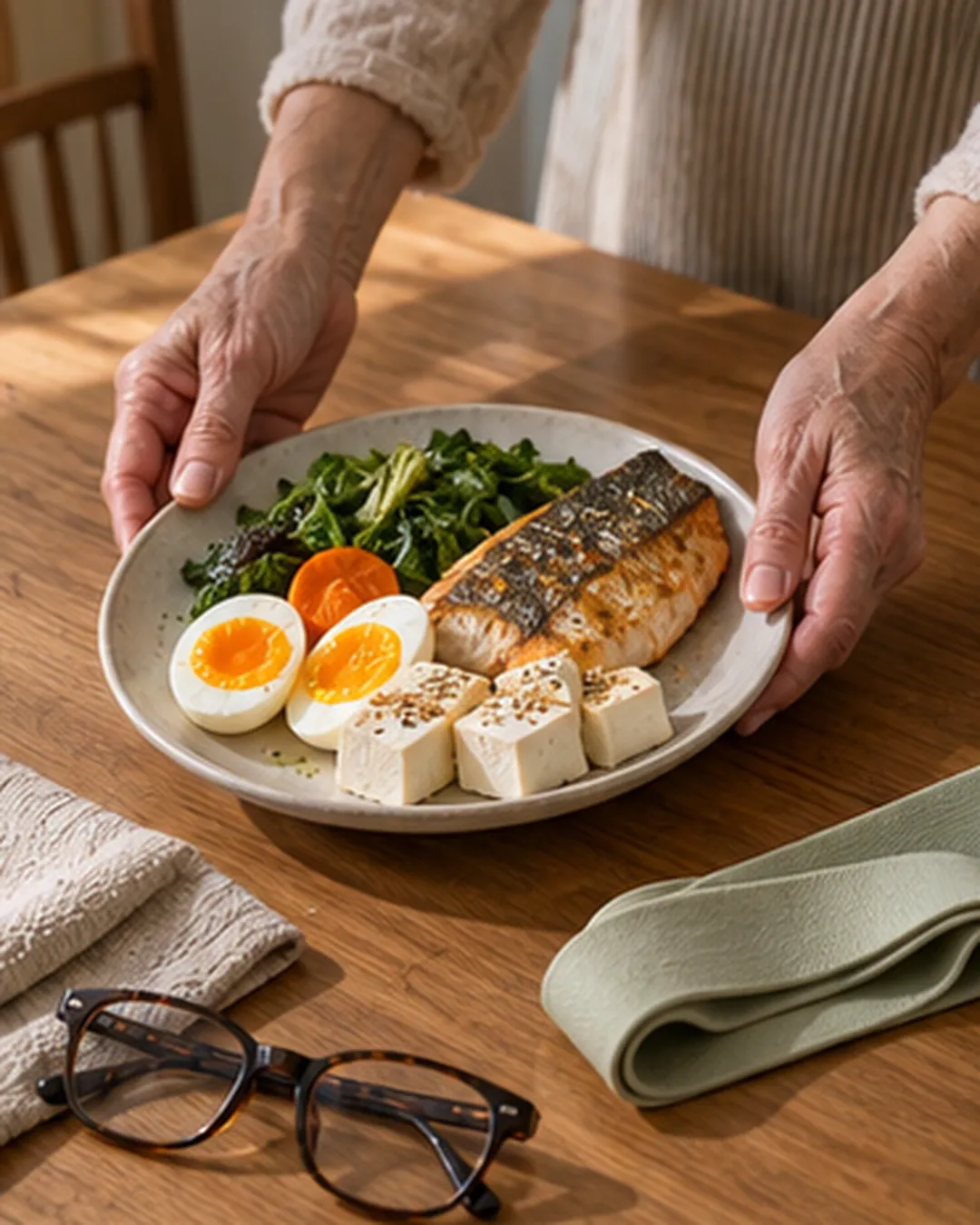
Per meal, yes. People in their 70s needed about 28 g in one meal (for a 70 kg person) to max out muscle building, versus about 17 g in their 20s. Eating enough at each meal along with strength training helped muscle more than just raising the daily total.
Do you need more protein as you get older?
'Older → muscle responds less to protein → eat more' — does this formula hold?
People say aging muscle responds less to protein, so you need to eat more. But does eating more actually protect muscle? We looked at it per meal and per day.

Per meal, it holds
People in their 70s needed 1.7 times what people in their 20s did
Pooled data from people averaging 71 and 22 years old showed that the protein per meal needed to max out muscle protein building was about 28 g for the older group and about 17 g for the younger group, for a 70 kg (154 lb) person. Older muscle responded less to small amounts.

So does a bigger daily total build muscle?
Without exercise, muscle did not grow
When 92 people averaging 73 years ate 56 g or 91 g of protein a day (at 70 kg body weight) for 6 months, lean mass (muscle and everything except fat) and strength did not differ. When 128 people averaging 74 years raised intake to about 105 g a day with whey for 24 weeks, muscle mass and strength were also the same.

But eating less changed things
Slightly under-eating, double protein protected muscle
For 10 weeks, 29 people over 70 ate 56 g or 112 g of protein a day (at 70 kg), and both groups were eating about 150-210 kcal a day below their needs. The 112 g group gained 1.49 kg of lean mass, while the 56 g group lost 0.64 kg of arm and leg muscle.

Add strength training and a gap appears
28 studies: protein helped only with exercise
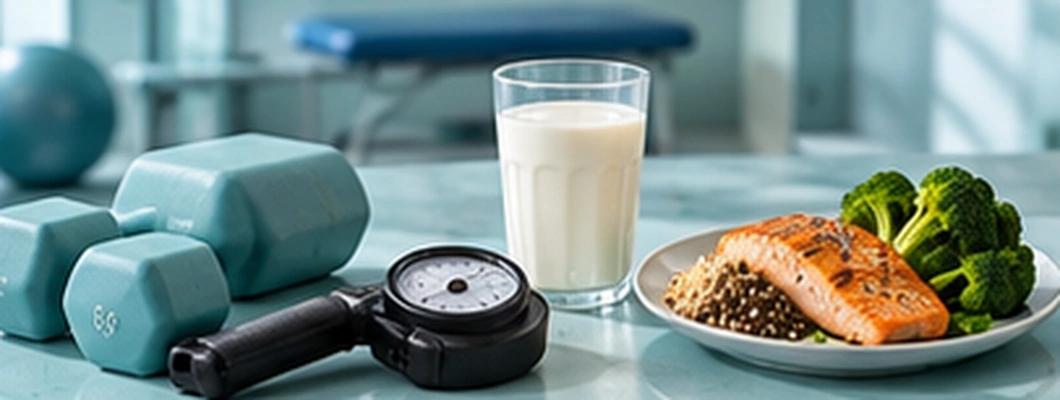
An analysis that pooled 28 studies of people averaging 50 or older found that more protein without exercise did not add muscle or strength. In studies with strength training, the higher-protein groups gained more arm and leg muscle and grip strength. The effect was clearest in people who had already lost a lot of muscle.
With age, the same protein did less
Above about 113 g a day, more did not add muscle
An analysis of 49 studies and 1,863 people found that extra protein during strength training added 0.30 kg of lean mass, but the effect shrank with age. Above about 113 g a day (at 70 kg), there were no further gains. In a 12-week training trial of 49 people averaging 66, 56 g and 98 g a day grew muscle the same.

So per-meal amount comes before the daily total
At 70 kg, about 28 g per meal
People in their 70s needed about 28 g in one meal (at 70 kg) to max out muscle building. Over 3 meals, that is about 84 g a day. That is less than the roughly 113 g a day where gains stopped, so spreading protein evenly across meals covers it without a huge daily total.

Bottom line: bigger meals as you age
And pair them with strength training
With age, muscle responds less to the protein in a meal, so people in their 70s needed more per meal than people in their 20s. But unless people were under-eating, raising the daily total without exercise did not add muscle. Eating a generous amount at each meal (about 28 g at 70 kg) and keeping up strength training works.
A better body starts with a better question.PHYSIQUE NEWS