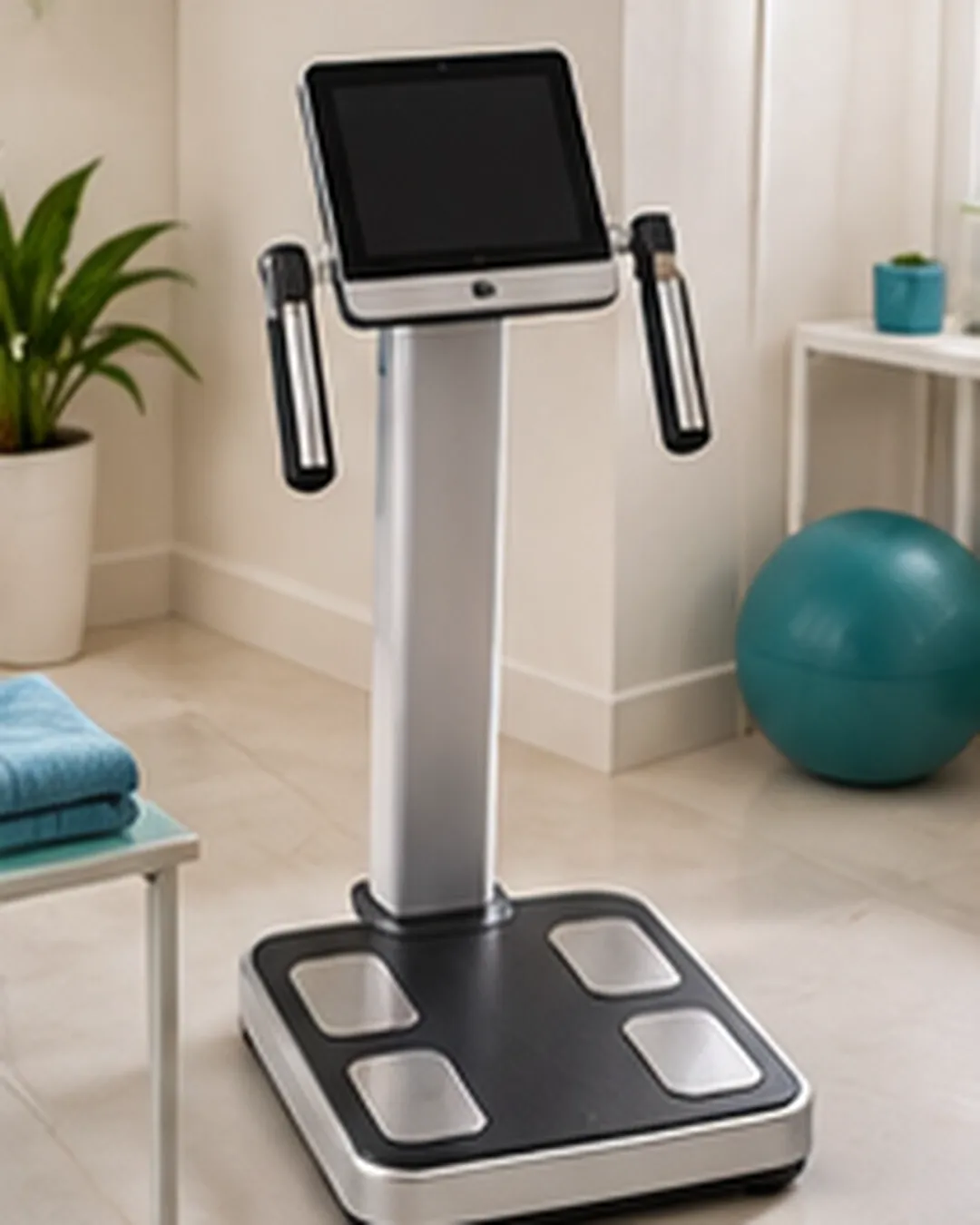
Short answer
A single reading is off by a few percentage points: in 1,000 people, body fat came out 3–4 points low on average. But on the same machine under the same conditions, it tracked change well. A bottle of water or a workout moved the number by more than 1 point.
How accurate are body fat scanners like InBody?
'20% body fat on screen = 20% for real' — does this hold?
Gym body fat scanners send a weak electric current through your body to estimate fat and muscle. We checked how accurate the number is and how to read it.
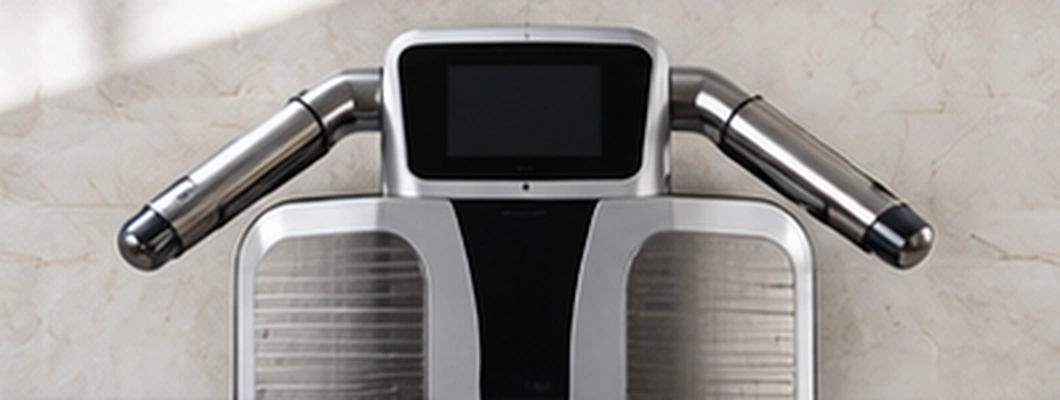
Compared with a reference test?
In 1,000 people, body fat read 3–4 points low
1,000 people were measured on an InBody 770 and on DXA, a reference X-ray test that measures fat. The scanner read body fat 4.2 points lower in men and 2.8 points lower in women on average. A man at 25% on DXA would see about 21% on the scanner.
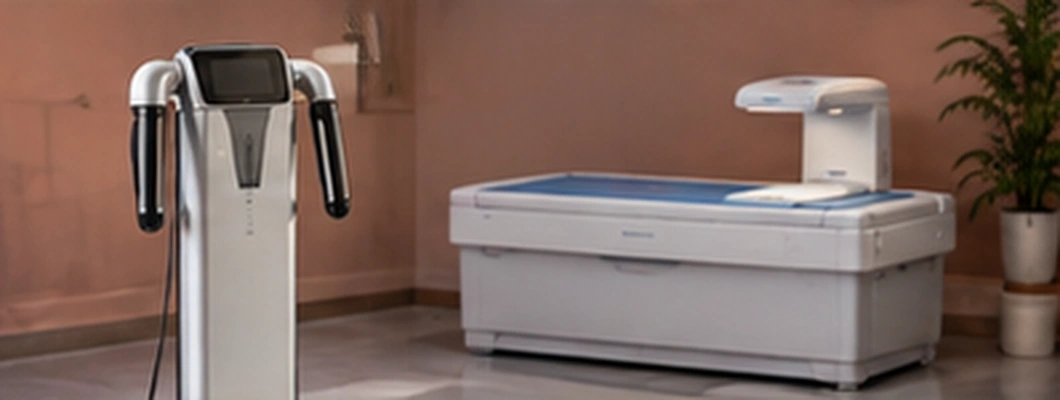
How big is the error for one person?
From 10 points low to 1.6 points high
In the same 1,000 people, the error for 95% of men ranged from 10 points too low to 1.6 points too high. A study comparing 70 people with a precise reference also found body water share varied from person to person (63–73% in men), and commercial methods agreed only moderately or worse with the reference.
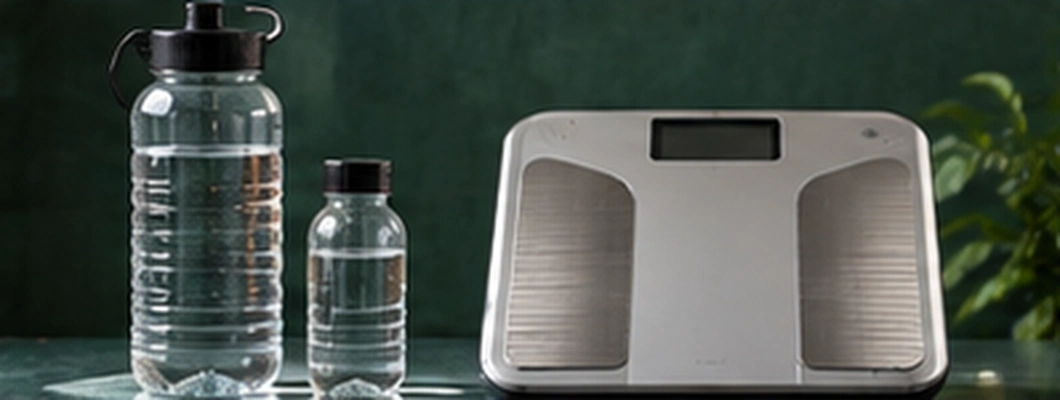
So is it useless?
On the same machine, repeat readings were almost the same
When people were measured twice within 1 week, the scanner's body fat readings differed by only 0.24 points on average. When 21 people did 10 weeks of strength training, the scanner said body fat fell 1.05 points and DXA said 1.28, with no difference between the two.
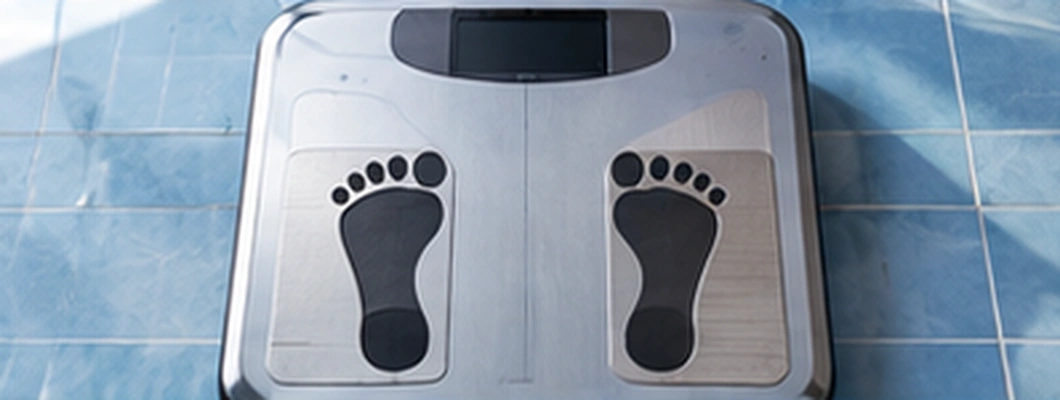
Can a bottle of water change it?
Body fat rose about 1 point 20 minutes after drinking
76 people drank 591 ml of water or a sports drink and were measured again 20 minutes later. Body fat went up 1.1–1.2 points. The type of drink did not matter, and the change was bigger than the normal drift over 1 hour.
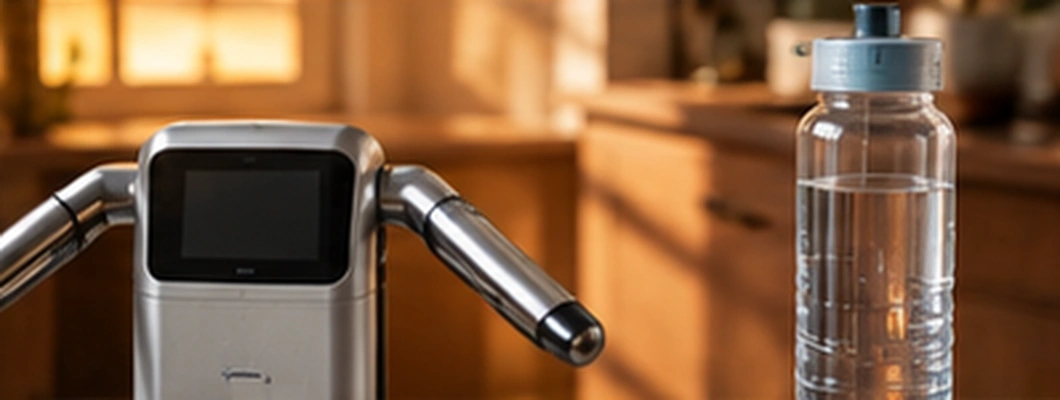
Right after a workout?
Body fat reads lower instead
After 60 minutes of strength training, 86 people read lower on a hand-and-foot scanner: 1.4 points in men and 0.9 in women. After 30 minutes of cycling, 74 people read lower the harder they rode, down by as much as 1.4 points on the hand-and-foot scanner.
Summary: watch the trend, not one number
Same machine, same time, before exercise or drinks
A single body fat reading differed from the reference by 3–4 points on average and up to 10 for some people. But repeat readings on the same machine were almost the same, and 10-week changes followed the reference test. Measuring on the same machine, at the same time, before exercise and drinking, and watching the change is enough.
A better body starts with a better question.PHYSIQUE NEWS