Short answer
Cushioning by itself did not cut injuries. Softer shoes helped only lighter runners, and whether a shoe felt soft and comfortable lined up with injury risk better than its cushioning numbers.
Do well-cushioned running shoes reduce injuries?
'Soft cushioning → less impact → fewer injuries' — does this formula hold?
A common belief is that thick cushioning absorbs the shock to your feet and knees and prevents injuries. We checked impact, injuries, and how to pick shoes, one step at a time.
Does cushioning reduce landing impact?
The impact peak was actually higher
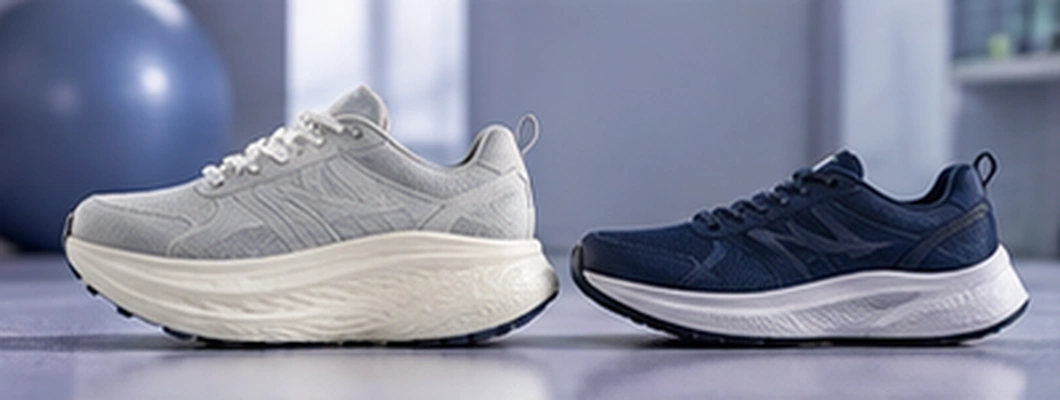
When 848 people ran in one of two shoes that differed only in cushioning, the soft shoe's landing impact peak was 1.53 times body weight, higher than the hard shoe (1.44 times). In a test where 12 people ran at 14.5 km/h, a very thick maximalist shoe had a 10.7% higher impact peak and a 12.3% faster rise in impact.
So what about injuries?
Shoes differing only in cushioning, no difference in 247 people
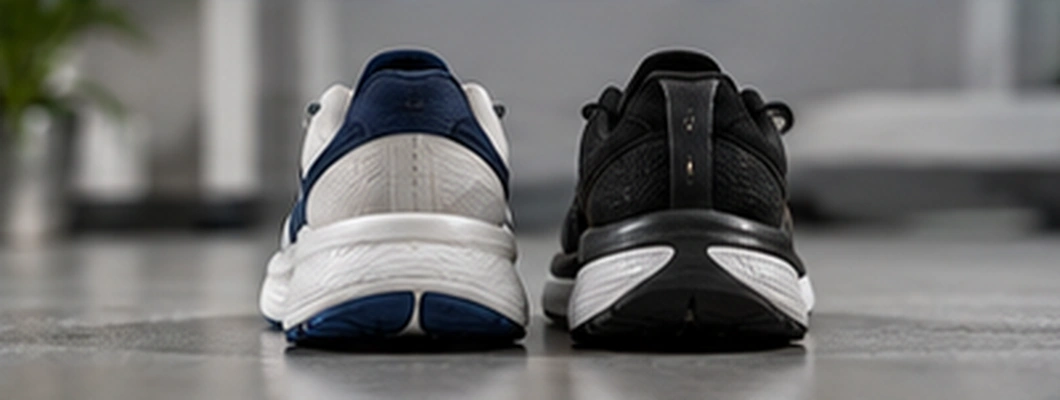
247 people got shoes that differed only by 15% in heel firmness and were followed for 5 months. Injury risk did not differ by shoe. What went with injury was a previous injury, higher training intensity, and body mass index.
In the 848-person trial, the hard shoe group got hurt more
But only among lighter runners
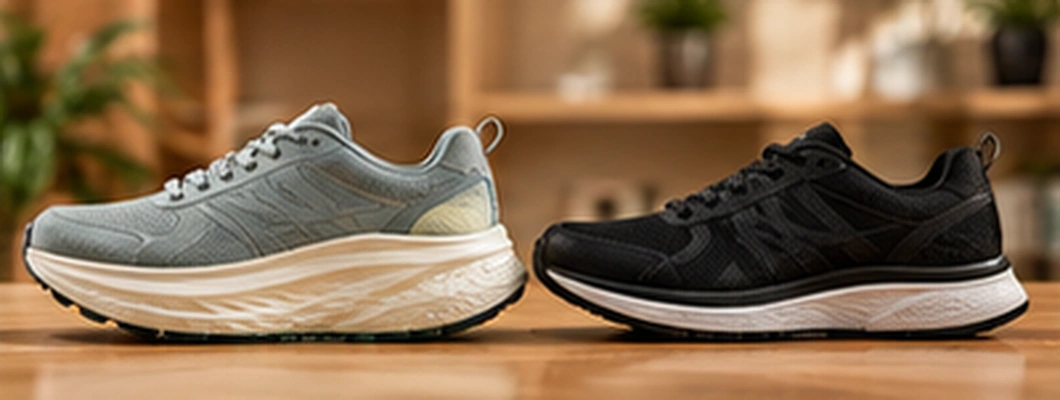
Following 848 people for 6 months, the hard shoe group had 1.52 times the injury risk. Split by weight, it was 1.80 times only among lighter runners, and there was no difference among heavier runners (men over 78.2 kg, women over 62.8 kg). The heavier group, thought to need cushioning most, got no benefit from it.
What happens when trials are pooled?
Shoe type did not change injuries much
An analysis pooling 12 trials with 11,240 people found no meaningful injury difference between soft and hard midsoles (1,095 people) or cushioned and minimalist shoes (766 people). Shoes chosen to match foot shape did not reduce injuries in 7,203 people either.
What made the difference was 'feel'
Those who felt enough cushioning got hurt less
When 527 people were asked how their shoes felt, those who felt the most cushioning had 0.24 times the injury risk of those who felt the least. Those who liked their shoes most had 0.47 times. Whether the same cushioning felt comfortable to your body lined up better with injury.
Bottom line: thick cushioning did not prevent injuries
The benefit was only for lighter runners; comfort mattered more
Soft shoes did not reduce landing impact, and fewer injuries appeared only among lighter runners in the 848-person trial. Pooling trials, injury differences by shoe type were not clear. Whether a shoe felt soft and comfortable lined up with injury risk better than its cushioning numbers.
A better body starts with a better question.PHYSIQUE NEWS