
Short answer
On average they are close, but your own number can be off. In 337 people, the most common formula landed within 10% of the measured value for 8 in 10, but in 1,430 people who exercise that fell to 52%. The more muscle people had, the more the formulas came in too low.
How accurate are BMR calculators?
'Height, weight and age in, your BMR out' — does it work?
When people plan a diet, they plug height, weight and age into a calculator to get their basal metabolic rate (BMR). We checked how well that number matches BMR measured directly from breathing gases.
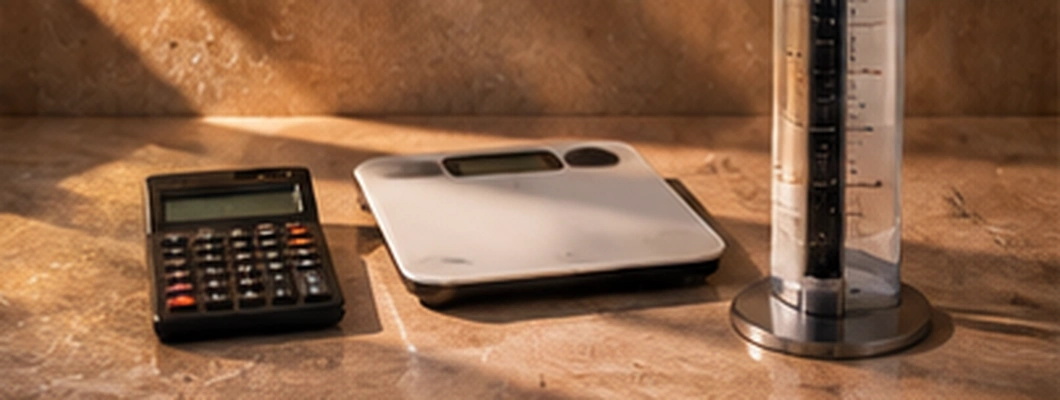
The most common formula is right on average
82% of 337 people were within 10%
In 337 people whose BMR was measured and compared with formulas, the Mifflin formula, one of the 4 most used, did not lean high or low on average. 82% were within 10% of the measured value. A 2005 analysis that pooled many studies also found this formula put the most people within 10%.
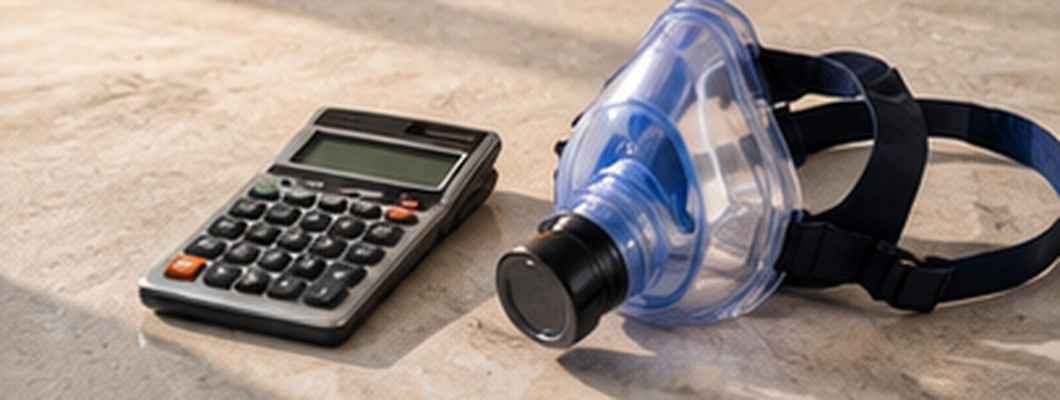
But is your number right?
1 in 5 people were off by more than 10%
In the same study, 18% were off by more than 10%. People carrying more body fat were within 10% only 75% of the time, versus 87% for leaner people. If your BMR is 1,700 kcal, 10% is 170 kcal, a bit more than half a bowl of rice.

More muscle, bigger misses
In 187 people, every formula came in low for men
In 187 people who exercise, BMR was measured and compared with 10 formulas. For the men, all 10 came in below the real value. Even the best formula had an error of 404 kcal. In 27 bodybuilders building a muscular physique, most existing formulas also came in too low.
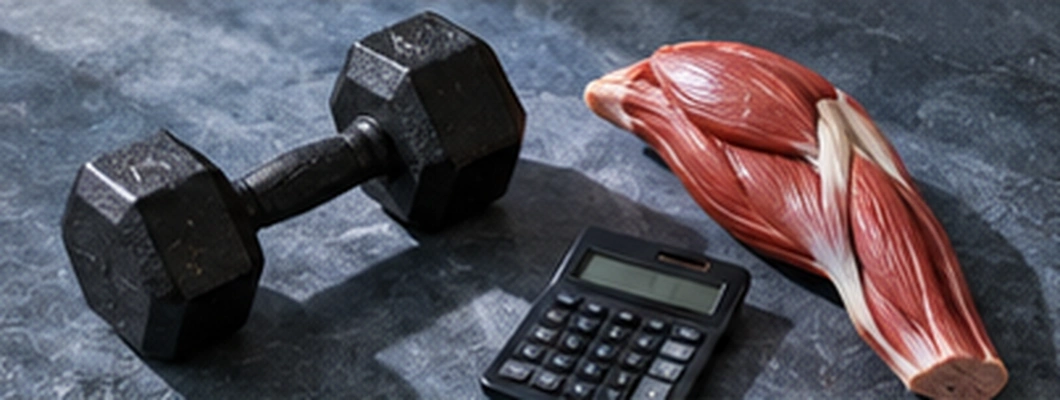
Switching formulas flipped the verdict
Same 180 people: 'low metabolism' ranged from 1% to 68%
BMR was measured in 180 people and compared with 11 formulas. A measured value more than 10% below the formula counts as a 'slowed metabolism'. Depending on the formula, the share flagged this way ranged from 1% to 68%. Same people, different formula, different answer.
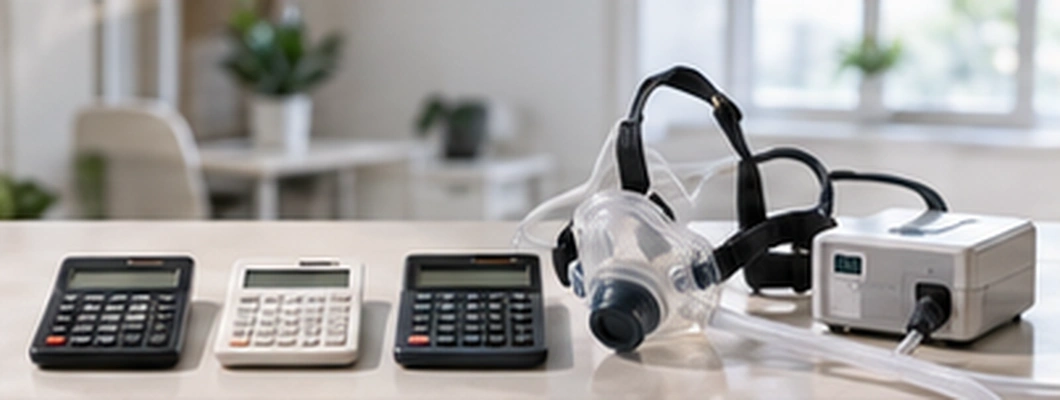
An analysis of 1,430 people
The Mifflin formula got only 52% within 10%
An analysis that pooled 29 studies of 1,430 people who exercise found the Mifflin formula landed within 10% of measured BMR for 52%. The best, the Ten-Haaf formula (age, height, weight), reached 80%; the rest ranged from 41 to 64%. Formulas built from people like you fit better.

Bottom line: the calculator number is a starting point
8 in 10 for average builds, about half for people who exercise
The Mifflin formula got 82% of 337 people within 10%, but only 52% of 1,430 people who exercise. For people with more muscle, most formulas came in too low. Read the calculator value as a starting point with roughly 10% error either way.
A better body starts with a better question.PHYSIQUE NEWS