
Short answer
A little. It brought sleep on about 7 minutes sooner and added about 8 minutes of sleep on average, and it lowered blood markers of muscle damage after exercise. It does not replace sleep itself.
Does melatonin help sleep and recovery?
'Melatonin → more sleep → better recovery' — does this formula hold?
Melatonin is the sleep hormone your body makes on its own at night. People say taking it deepens sleep and so speeds up recovery from training. We checked sleep and recovery separately.
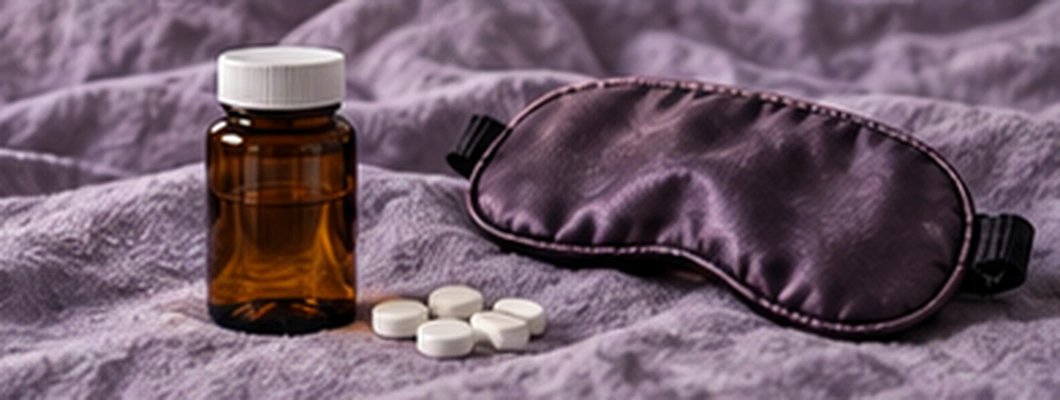
Sleep improved, but by minutes
7 minutes faster to fall asleep, 8 more minutes of sleep
An analysis that pooled 19 studies and 1,683 people with sleep disorders found melatonin cut the time to fall asleep by 7 minutes on average and added 8 minutes of total sleep. Sleep quality improved too, and the effect did not fade with longer use. The effect was smaller than other sleep drugs.

When and how much changed the effect
Strongest at 4 mg a day, 3 hours before bed
A 2024 analysis of 26 trials found the effect grew with dose up to 4 mg a day. Taking 4 mg 3 hours before bed cut time to fall asleep more than the common '2 mg 30 minutes before bed'. The effect was bigger in people with insomnia.

Taken on a training night
24 more minutes of sleep and better results the next day
When 10 people took 10 mg of melatonin after running to exhaustion late in the evening, they slept 24 minutes longer and fell asleep 8 minutes faster than with a placebo. The next morning they ran 82 m farther on a shuttle-run test. In a study of 12 people, next-day grip, jump and sprint power also improved.

Recovery showed up in muscle damage markers
19 trials: lower damage markers, bigger effect in the evening
A 2026 analysis of 19 randomized trials with 266 people found melatonin lowered a blood marker that rises with muscle damage (CK) and slightly raised endurance. The effect was larger when taken in the evening with more than 6 hours before exercise. In 3 studies where it was taken during the day, people felt drowsy.
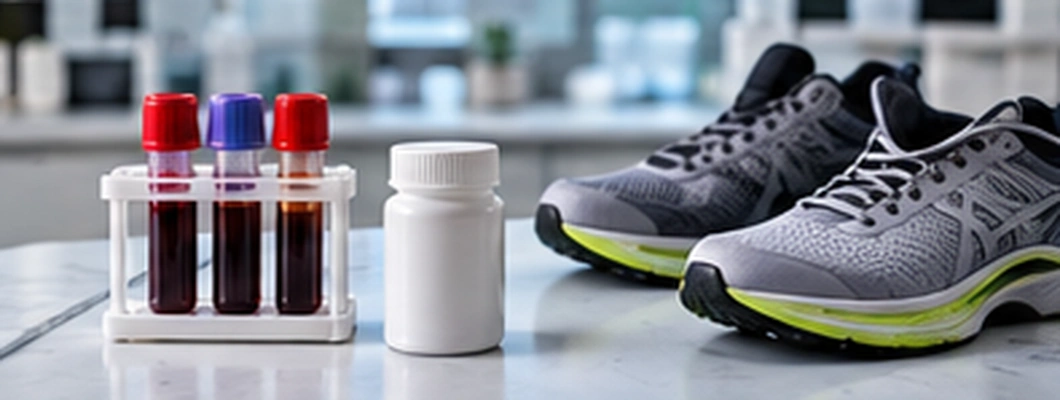
But the bottle may not say what is inside
31 products: -83% to +478% of the label
Testing 31 melatonin supplements found actual content ranging from 83% less to 478% more than the label. Over 70% of products missed their label by more than ±10%, and 8 contained serotonin that was not listed. A '4 mg' label cannot be taken at face value.

Bottom line: melatonin is a helper that buys a few minutes of sleep
Making time for sleep comes first
Melatonin added about 7 minutes faster sleep onset and 8 minutes more sleep, and lowered muscle damage markers after exercise. No result showed more muscle growth. Making time for sleep comes first, and if you use it, taking it in the evening (a few hours before bed) worked better.

A better body starts with a better question.PHYSIQUE NEWS