
Short answer
Because it does not burn only fat. In a 7-person experiment, about 36% of the weight lost was lean mass, and excess thyroid hormone came with 1.68 times the risk of atrial fibrillation, and with too much medication, 2.02 times the risk of fractures.
Why is misusing thyroid hormone dangerous?
'Faster metabolism → only fat melts away' — does this formula hold?
Some people secretly take thyroid hormone during contest prep or a diet, hoping to rev up metabolism and burn only fat. This is not a how-to. It lays out, in numbers, what happens to the body when thyroid hormone is in excess.

Why do people use it?
The goal is fat loss, and it turned up inside supplements
A 2023 review found that most thyroid hormone misuse aims to cut body fat and weight while keeping the body looking fit. It is also used in bodybuilding and elite sport to make weight. Some supplements sold online contained enough thyroid hormone to have a real effect.

It was not just fat that came off
5 kg of the 4.2 kg lost was lean mass
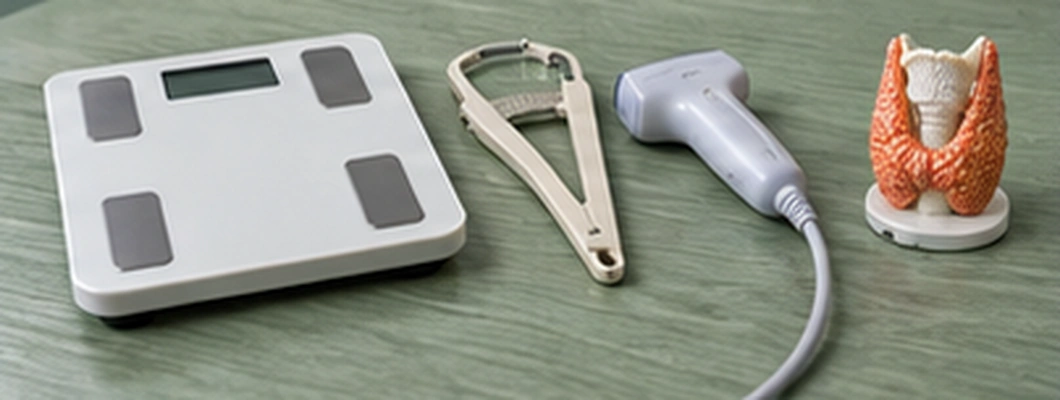
7 people were given a low amount of thyroid hormone (T3) for 63 days. Within 6 weeks they lost 2.7 kg of fat and 1.5 kg of lean mass (muscle and everything except fat). About 36% of the weight lost was lean mass. Both were still down at week 9.
Even slight excess shook the heart's rhythm
68 times the risk of atrial fibrillation
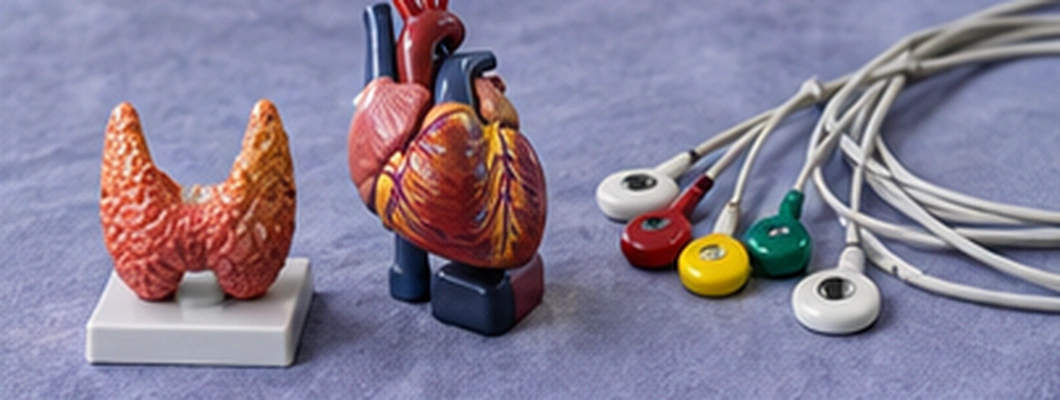
An analysis pooling 52,674 people found that those with slightly excess thyroid hormone had 1.68 times the risk of atrial fibrillation (an irregular heartbeat), 1.24 times the risk of death and 1.29 times the risk of heart disease death compared with normal levels. In an analysis of 31,138 people with clear excess, the risk of death was 1.21 times.
When the medication dose is too high
Irregular heartbeat 1.6 times, fractures 2.02 times
Tracking 17,684 people on thyroid medication, those whose dose was so high that the body's control signal (TSH) was almost switched off had 1.37 times the risk of heart and blood vessel disease, 1.6 times the risk of irregular heartbeat and 2.02 times the risk of fractures versus those in the normal range. A signal that was only slightly low did not raise risk.

Bones got weaker too
The more the signal was switched off, spine fractures 3.57 times
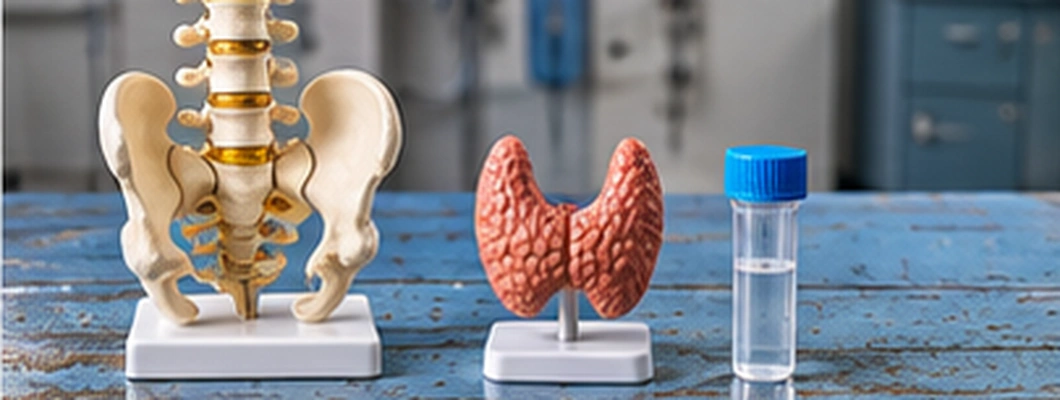
An analysis of 70,298 people found slightly excess thyroid hormone came with 1.36 times the risk of hip fracture. When the control signal was almost switched off (below 0.10), the risk rose to 1.61 times for hip fractures and 3.57 times for spine fractures.
Real cases of collapse
A racing pulse that would not stop, and cardiac arrest
1 man who took T3 and testosterone for bodybuilding came to the emergency room with a racing pulse that would not settle and was first treated for sepsis. After stopping, he returned to normal. Another 1 man who took the same two collapsed at a theme park with ventricular fibrillation, and his heart's pumping function was severely reduced.

Bottom line: there is no fat-only hormone
Muscle loss and heart and bone risks came with it
On thyroid hormone, about 36% of the weight lost was lean mass. Excess thyroid hormone came with 1.68 times the risk of atrial fibrillation, too much medication with 2.02 times the risk of fractures, and a switched-off signal with 3.57 times the risk of spine fractures. The 'only fat melts away' formula does not hold.

A better body starts with a better question.PHYSIQUE NEWS