
Short answer
Stress alone did not make people gain. It pushed them toward sweet food and slightly cut calories burned, but the gain showed up in heavier people while leaner people lost weight. Lowering stress and cortisol did not lead to more weight loss.
Does stress make you gain weight?
'Stress → cortisol → belly fat' — does this formula hold?
The common line is that stress releases the stress hormone cortisol, and that adds belly fat. We checked eating, changes inside the body, and actual body weight, in that order.

First, eating changed
More sweet food, less healthy food
An analysis pooling 54 studies with 119,820 people found that more stress meant more less-healthy food and less healthy food. In a 59-person experiment, people whose cortisol rose sharply under stress ate more calories on the stressful day, and more sweet food.

Calories burned dropped a little too
104 kcal for one rough event the day before
58 people had their calorie burn measured for 6 hours after a fatty meal. One stressful event the day before meant about 104 kcal less burned than none, about 1/3 of a bowl of rice. Fat burning dropped and insulin was higher.

What if cortisol stays high?
Weight and waist crept up a bit more each year
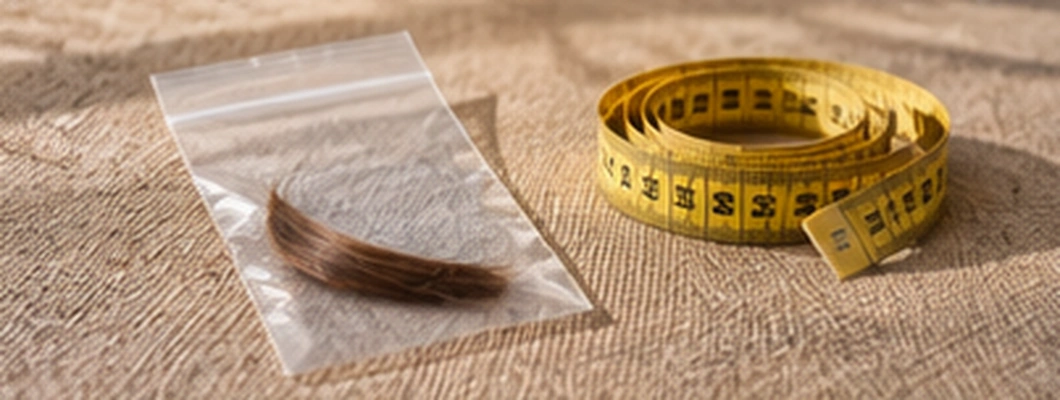
Researchers measured cortisol built up over months in the hair of 1,604 people and followed them for 3 years. The higher the cortisol, the more body mass index and waist size rose each year. The extra rise was under 1% a year.
But not everyone gained
The leanest lost, the heaviest gained
Following 7,965 people for 5 years, the leanest men lost weight with more work stress, while the heaviest gained. In a survey of 21,599 people, both those who gained and those who lost over 10 kg in 1 year were more likely to feel high stress, 2.28 and 1.83 times.

So does cutting stress boost weight loss?
Cortisol fell, weight loss did not differ
74 people dieted for 3 months, and half also took 10 weeks of stress management classes. The class group saw stress scores and morning cortisol fall. Yet weight loss was 2.1 kg and 1.8 kg, no difference.

Bottom line: stress changed eating
The gain showed up in heavier people
Stress increased sweet food and slightly cut calories burned. But leaner people actually lost weight, and lowering stress and cortisol did not bring more weight loss. Rather than building belly fat directly, stress shook body weight by changing what people ate.

A better body starts with a better question.PHYSIQUE NEWS