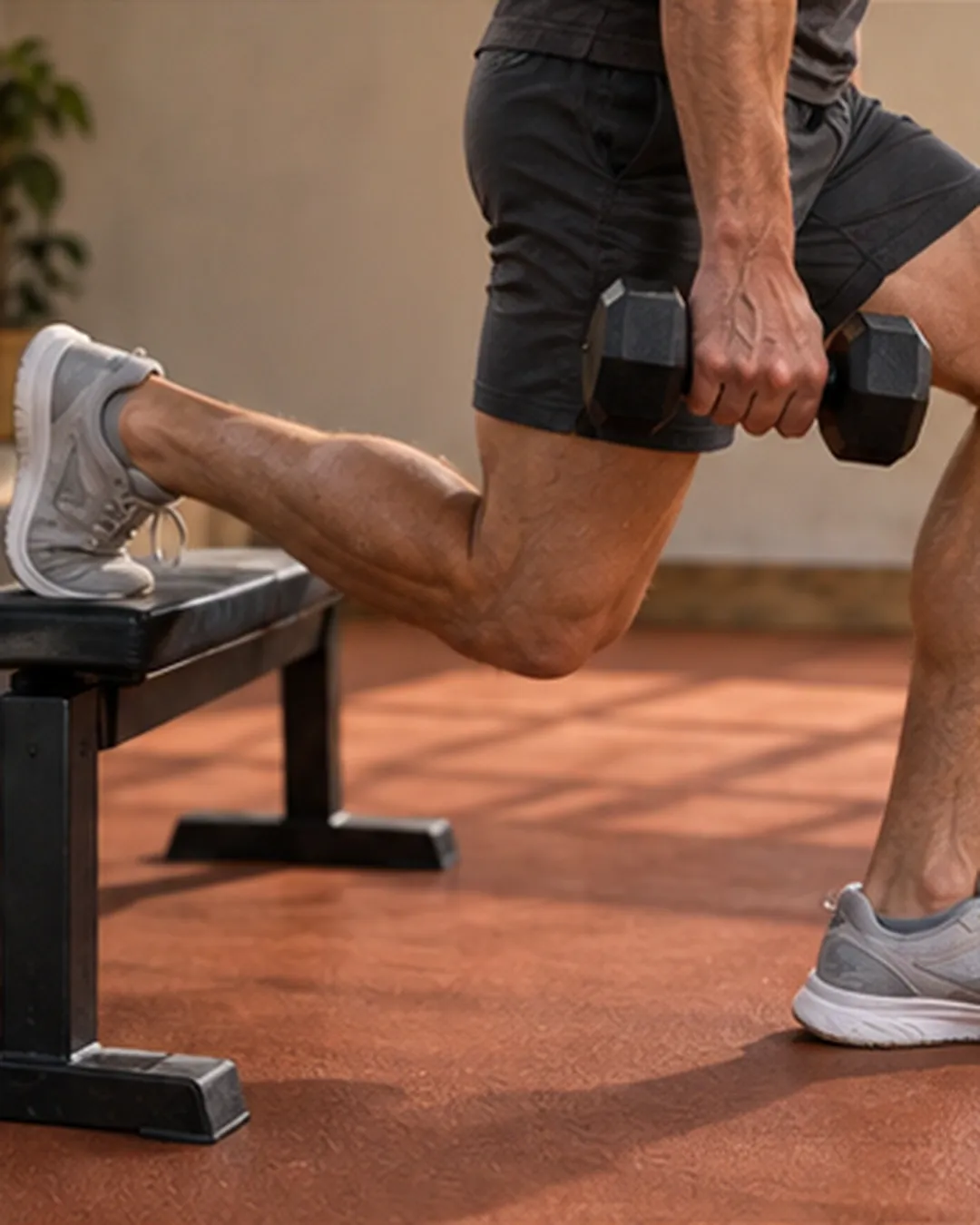
Short answer
For muscle size, they were the same. Analyses pooling 9 and 24 studies both found no difference in muscle growth. Only strength differed: one-leg strength rose more with one-side training, two-leg strength with two-side training.
Is training one arm or one leg at a time better?
'One side at a time → more focus → more muscle' — does this formula hold?
Lunges and one-arm dumbbell rows are said to focus the muscle better, grow it more and fix left-right imbalances. So should you swap squats and barbell rows for one-side moves? We checked studies that compared the two directly.
Muscle size did not differ
Analyses of 9 studies and 24 trials agreed
A 2025 analysis that pooled 9 studies comparing one-side and two-side training found no difference in muscle growth. A 2026 analysis that pooled 24 randomized trials also found no difference in muscle size.
Head-to-head trials agreed
Thigh muscle after 12 weeks: 14% vs 11%
When 48 people did knee extensions and curls only with both legs or only one leg at a time for 12 weeks, thigh muscle cross-section grew 14% and 11%, with no difference. In a 26-week trial of 26 people, gains in lean mass (muscle and everything except fat) were also the same.
But which part grew did differ
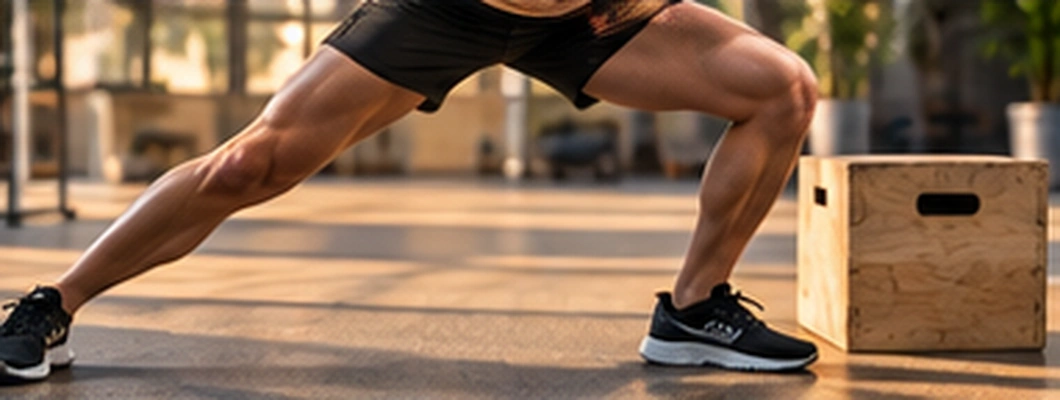
Lunges hit the inner thigh, squats the outer thigh
When 27 people compared side lunges with half squats for 6 weeks, the lunge group grew inner-thigh muscles more, by 11.1% and 12.6%. The squat group grew the outer thigh (9.9%) and outer calf (9.1%) more. Each movement grew different parts more.
Strength grew the way it was practiced
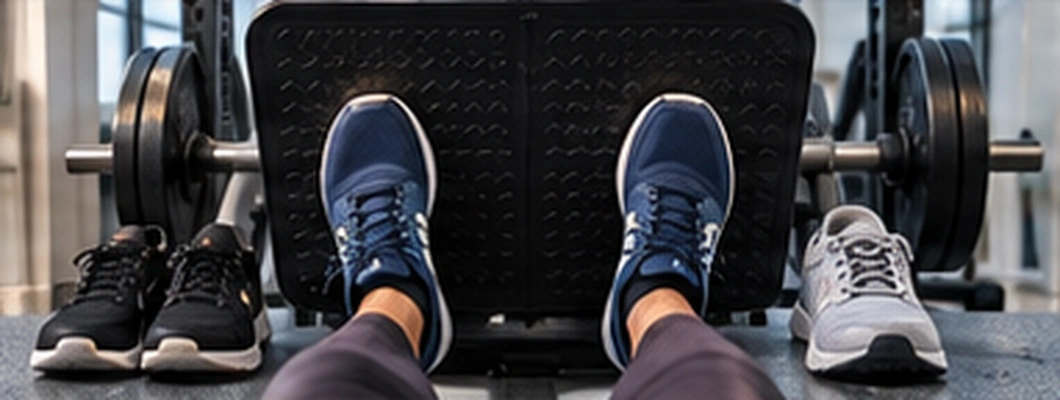
One-leg strength from one-side work, two-leg from two-side
When 28 people did leg presses for 8 weeks, their two-leg max rose about the same, 13.4% and 14.7%. But their one-leg max rose 22.7% in the one-side group, more than in the two-side group (13.7%). The 24-trial analysis also found one-side training built one-side strength and two-side training built two-side strength.
Bonus: training one side strengthens the other
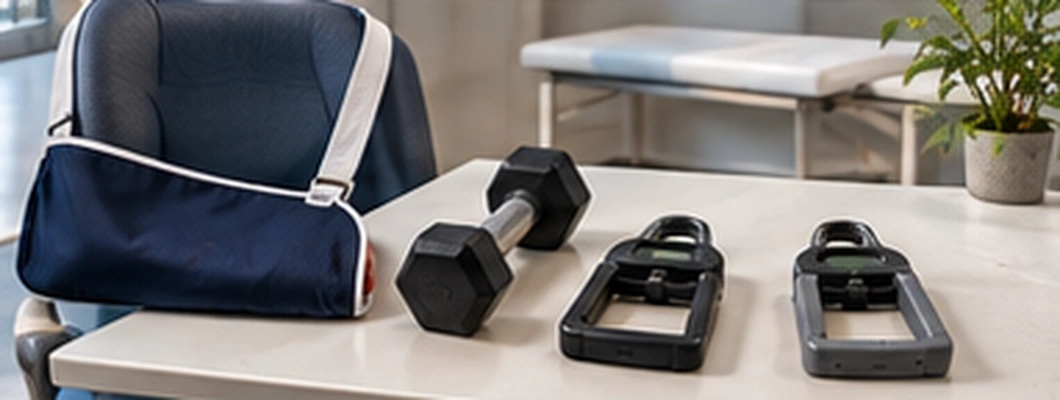
785 people: the resting side gained 11.9%
An analysis of 31 studies and 785 people found that training only one arm or leg raised strength in the untrained side by 11.9% on average. Legs gained 16.4% and arms 9.4%. That is why training the healthy side helps when the other is injured.
Bottom line: for size, pick whichever suits you
For strength, train the movement you want
One side or both, muscles grew the same. For muscle, choosing the version you can load heavier and stick with works. If you need one-leg power for sport, one-side moves fit; if your squat number is the goal, keep two-side lifts at the center.
A better body starts with a better question.PHYSIQUE NEWS