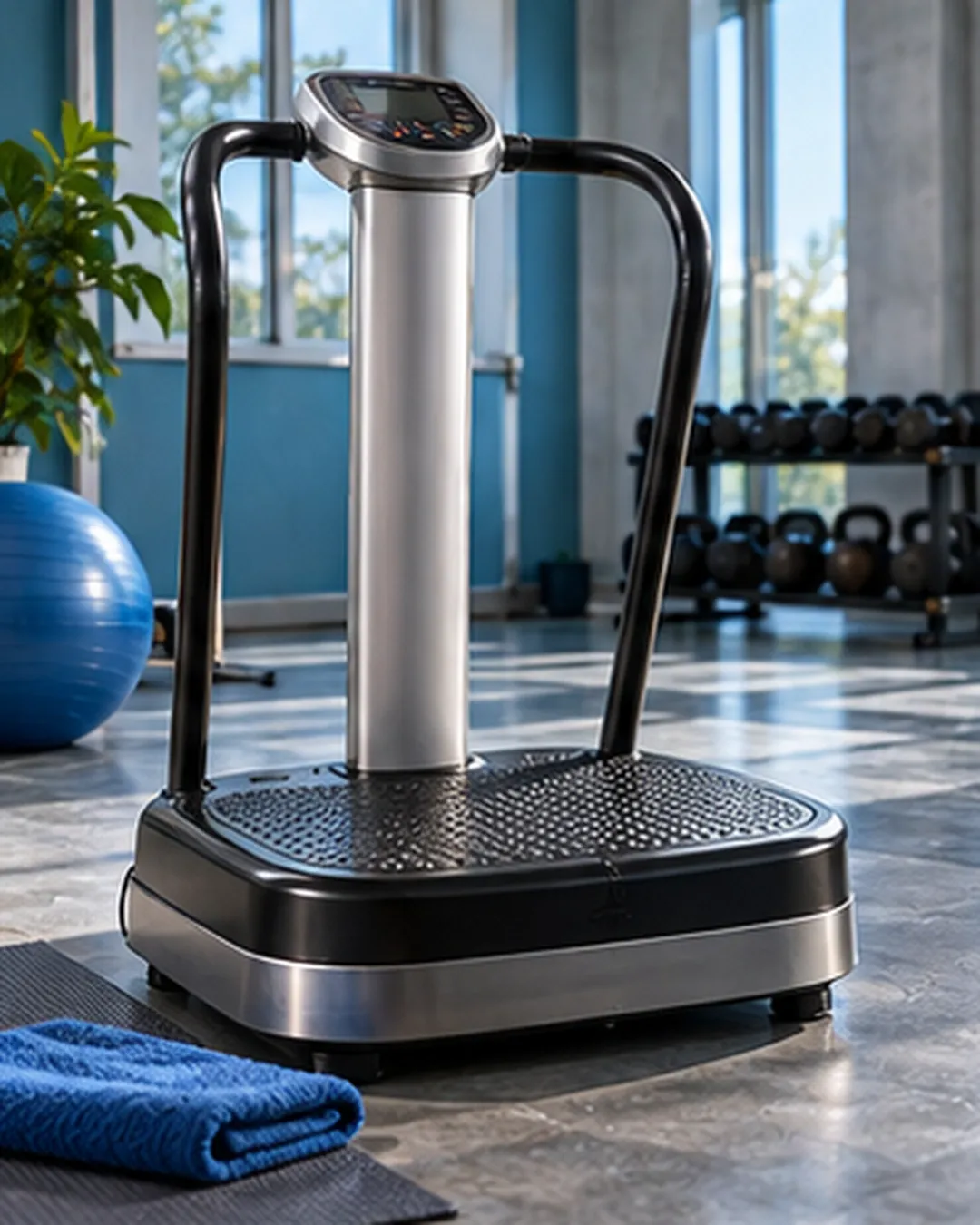
Short answer
For strength, only for people who weren't training. For them it built leg strength about as well as light strength training, but it added nothing for people already lifting. For recovery, it reduced muscle soreness.
Do vibration machines help strength and recovery?
'Just shaking makes your muscles work' — does this formula hold?
Many ads claim that standing on a vibration plate makes your muscles contract on their own, so it counts as exercise. Vibration massagers are also said to speed recovery. We checked the research for strength and recovery separately.
People who weren't exercising got stronger
12 weeks: vibration plate 16.6%, strength training 14.4%
In a 12-week study of 67 people who weren't exercising, the group doing knee exercises on a vibration plate raised leg strength by 16.6%, and the regular strength training group by 14.4%. The group doing the same moves without vibration and the group that did nothing did not get stronger.
Over 1 year: similar
Vibration 9.8%, gym 13.1%, no difference
A 1-year study of 97 people found the vibration group gained 9.8% in leg strength and 3.4% in thigh muscle. The gym group gained 13.1% and 3.8%, with no difference between the two, and the group that did nothing didn't change.
But what if you already lift?
Adding vibration to squats didn't add strength
28 people spent 9 weeks doing squats only, squats on a vibration plate, or vibration with no weights. Squats with vibration did not raise strength more than squats alone, and vibration alone did not raise strength at all.
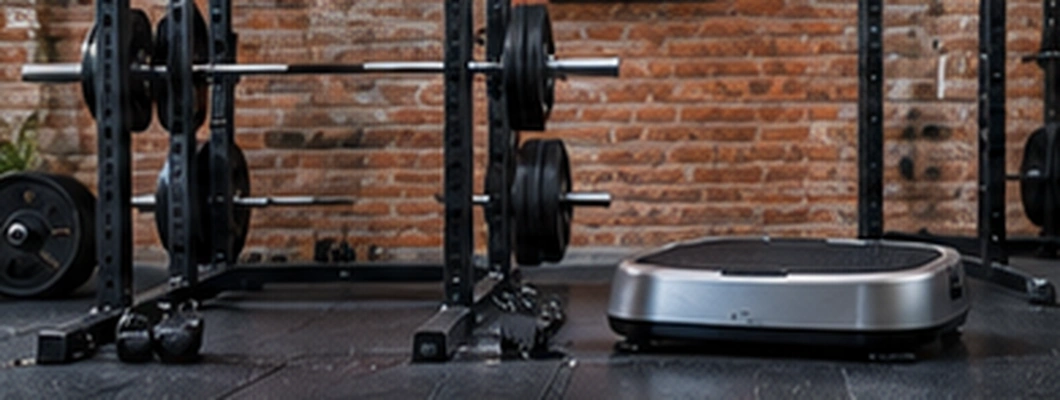
Strength training built the most strength
Analysis of 1,405 people: strength training ranked No. 1
An analysis of 30 studies with 1,405 people found strength training built the most strength (12.8 kg more than usual activity). Vibration improved everyday function like walking and standing up, but lean mass (muscle and everything except fat) did not change with any type of exercise.
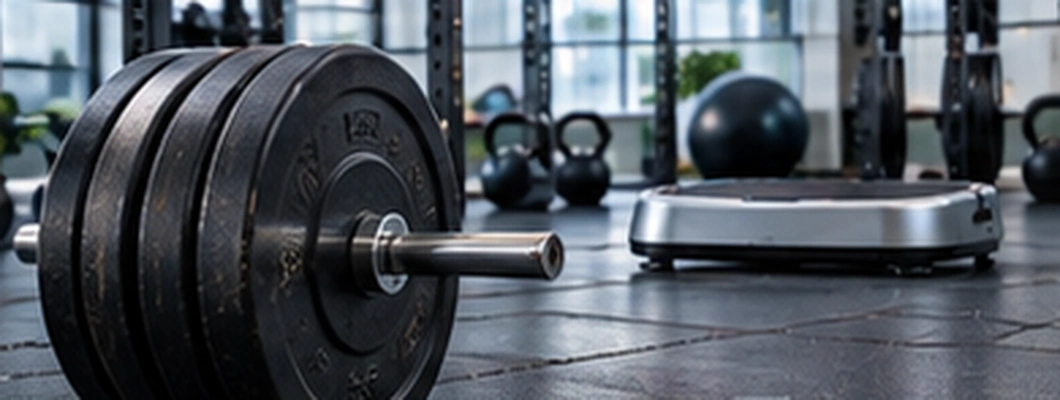
Recovery: less soreness
10 studies, 258 people: less soreness at 24-72 hours
An analysis of 10 studies with 258 people who used vibration for post-workout soreness found less soreness at 24, 48 and 72 hours after exercise. Blood markers of muscle damage were also lower at 24 and 48 hours, but not different at 72 hours.
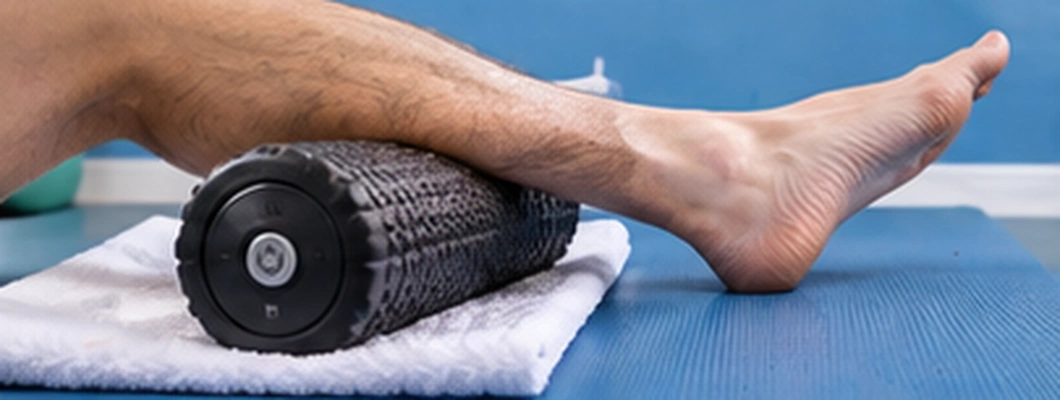
Vibrating foam rollers didn't boost performance
9 studies: no difference in jumps or strength
An analysis of 9 studies on vibrating foam rollers found no meaningful change in jump height or strength. Only recovery measures like fatigue and pain improved. Vibration tools are best seen as soreness relievers, not performance boosters.
Bottom line: it can stand in for exercise, but doesn't add to it
If you already lift, vibration is for soreness
For people who weren't exercising, a vibration plate built leg strength as well as light strength training. But it added no extra strength for people already lifting. If you strength train, a vibration device works as a way to ease soreness after workouts.
A better body starts with a better question.PHYSIQUE NEWS