
Short answer
No. Trimming the torn meniscus did not improve pain or function more than fake surgery or 12 weeks of exercise. The one exception: in young knees torn in an injury, surgery reduced the catching and locking feeling more.
Does a torn knee meniscus always need surgery?
'Tear → trim it with surgery → pain solved' — does this formula hold?
A common belief is that a torn meniscus only heals if the torn part is trimmed away with keyhole (arthroscopic) surgery. We checked studies that put this surgery side by side with fake surgery and with exercise.

Compared with fake surgery
146 people: the real surgery was not better
146 people with a worn-out (degenerative) tear were split: one group had the torn meniscus trimmed, the other had a fake surgery where the scope went in and came out. Patients did not know which they got. After 12 months, pain and function scores improved by 21.7 points with real surgery and 23.3 with fake surgery — no difference.

What about exercise?
12 weeks of exercise kept up for 10 years
In a study that split 140 people into surgery or 12 weeks of exercise, there was no meaningful difference in pain, knee function or thigh strength 10 years later. The share who developed knee arthritis on X-ray was 23% after surgery and 20% after exercise.

Does surgery protect the joint?
Pooled: 1.27 times the risk of arthritis getting worse
A 2024 analysis that pooled 6 trials (1,078 people) found the risk of knee arthritis getting worse was 1.27 times higher after surgery than after exercise, with no difference in pain or function. In the 146-person fake-surgery trial, X-ray arthritis scores were also worse in the surgery group after 5 years.

What about young knees torn in an injury?
121 people: starting with exercise did not fall behind
121 people with an average age of 30 were split into early surgery or 12 weeks of exercise (with surgery later if needed). After 12 months, pain and function scores improved by 19.2 and 16.4 points — no difference. Looking only at tears from an injury gave the same answer, and 26% of the exercise group had surgery later.

Catching and locking were different
In young knees, surgery cut catching more
Of the 121, 63 had a catching or locking feeling. After 12 months it remained in 35% after surgery and 69% after exercise. In the 146 people with worn-out tears, surgery did not reduce catching or locking, and after 5 years it was more common after surgery (29%) than after fake surgery (12%).
Summary: surgery was not a must
Exercise first for 12 weeks; surgery later did not fall behind
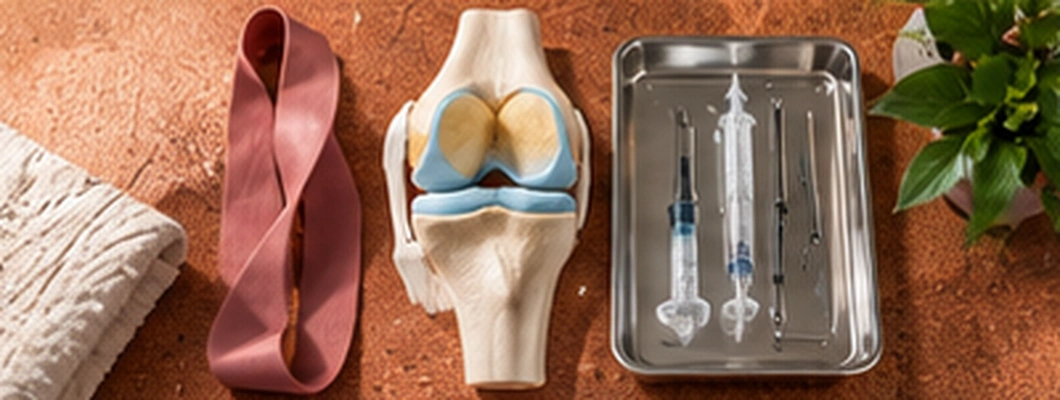
For worn-out tears, surgery was no better than fake surgery or exercise, and arthritis progressed more after surgery. In young knees torn in an injury, starting with exercise did not fall behind on pain or function, and about 1 in 4 had surgery later. Only the catching and locking feeling was reduced more by surgery, in young knees.

A better body starts with a better question.PHYSIQUE NEWS