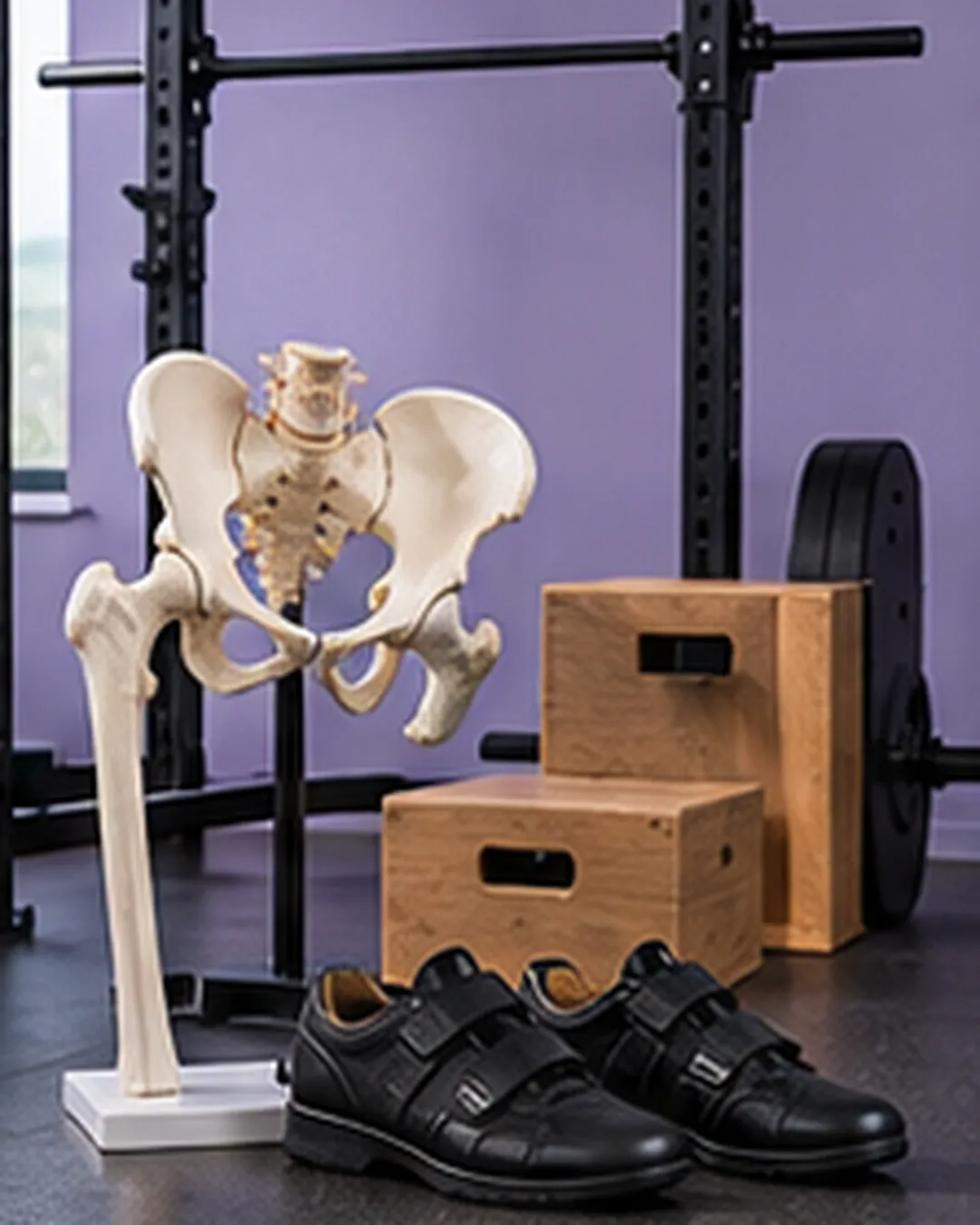
Short answer
A pinch alone is no reason to cut your depth. The bump-shaped bone behind it showed up in 37% of pain-free hips, and squeezing the glutes so the hip turned in less cut joint pressure by 32%.
Hip feels pinched in a squat: should you squat less deep?
'Deep squat → bones collide → hip damage' — does this formula hold?
When the front of your hip pinches at the bottom of a squat, the usual advice is to cut your depth. The worry is 'hip impingement', where the top of the thighbone hits the rim of the hip socket. We checked the formula one step at a time.
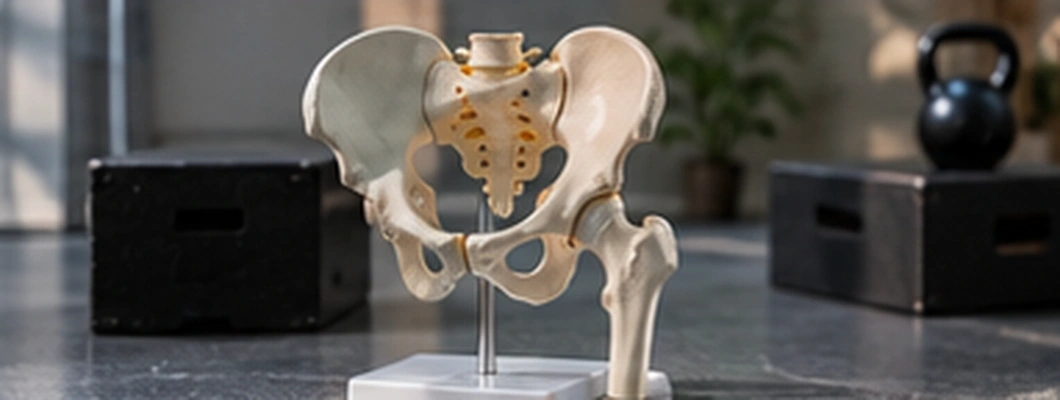
The bump-shaped bone is common in pain-free hips
It showed up in 37% of hips with no pain
An analysis that pooled 26 imaging studies of 2,114 pain-free hips found a bump on the thighbone head in 37%. In people who play sports it was even more common, at 54.8%. Plenty of people had this shape and felt no pain.
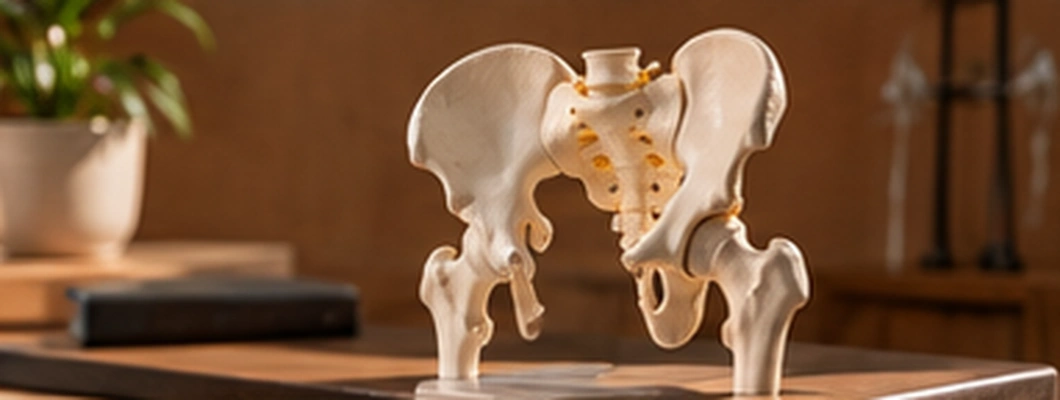
Same bone shape, no pain, full depth
The 18 pain-free people squatted as deep as normal hips
Three groups did deep squats: 18 people with the bump but no pain, 16 with the bump and pain, and 18 with normal bones. The 18 pain-free people squatted no shallower than the 18 with normal bones; only the 16 in pain stopped higher. The pain-free group had stronger glutes and more pelvic movement.
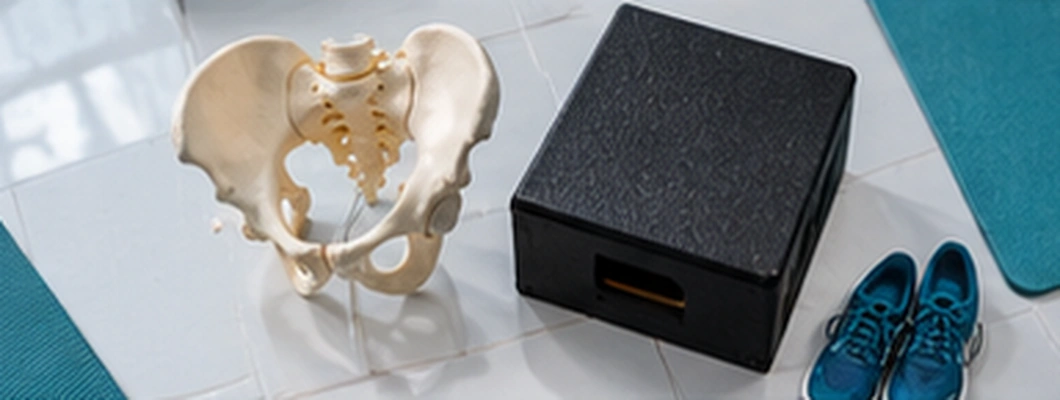
Even in pain, hip bend angle was no different
What differed was where the knee and pelvis went
An analysis that pooled 14 studies found that people in pain squatted less deep, but their hips bent no less. In a squat that limited help from the trunk, 15 people in pain let the thigh on the sore side cave inward more and lifted that side of the pelvis more than 14 pain-free people.
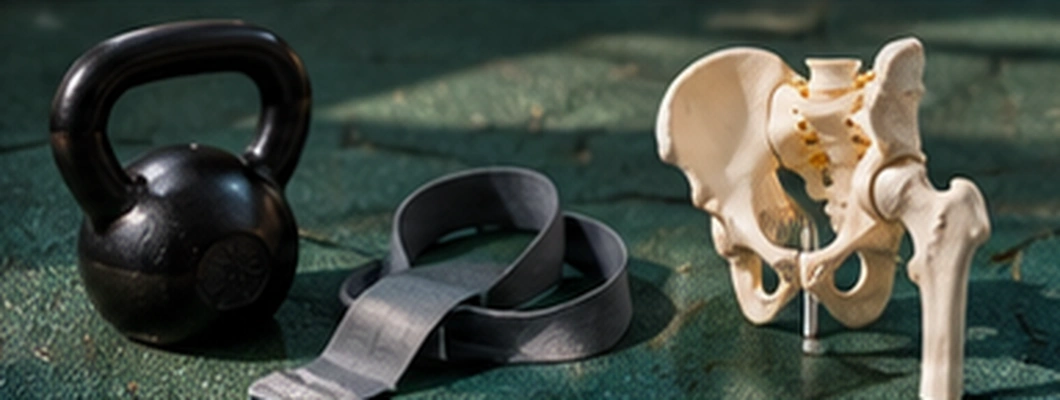
Pressure rose when the hip turned inward
Squeezing the glutes cut pressure by 32%
In one study, 8 people in pain did bodyweight squats to their maximum depth. Simply cueing them to squeeze their glutes reduced inward hip rotation by 5 degrees on average and cut pressure on the socket by 32%. Both squats went to full depth, so the difference came from the cue alone.
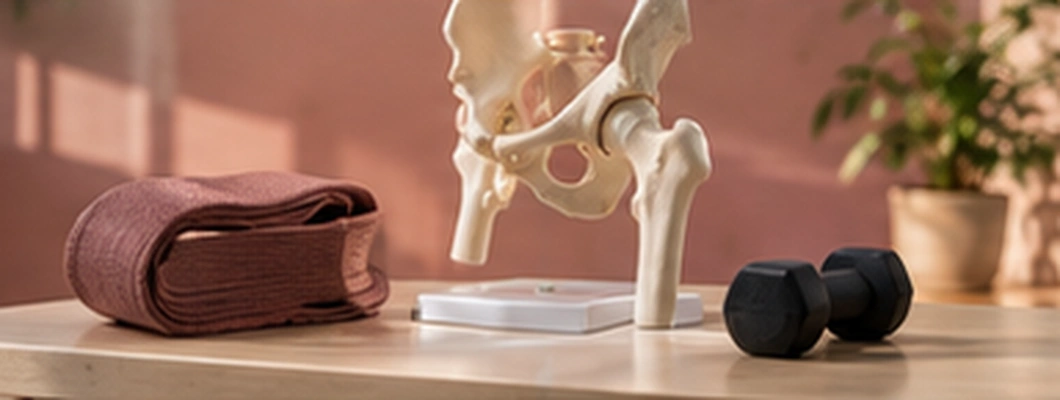
Even with pain, over half got better without surgery
54% were satisfied
An analysis that pooled 1,153 people with hip pain found that 54% improved enough to be satisfied with non-surgical care such as exercise therapy. In a trial that randomly split 348 people, both exercise therapy and surgery helped, and after 1 year surgery scored 6.8 points higher on a 100-point scale.
Bottom line: a pinch alone is no reason to cut depth
The formula breaks at the 'bone shape → damage' link
The bump-shaped bone was found in 37% of pain-free hips, and those people squatted as deep as anyone. What raised pressure was the hip turning inward. Squeezing the glutes, keeping the thighs from caving in, and going as deep as you can without pain works.
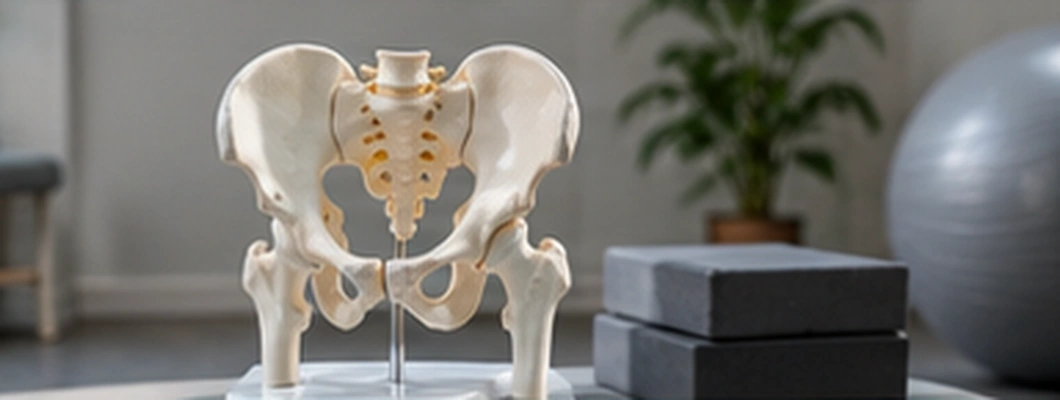
A better body starts with a better question.PHYSIQUE NEWS