Short answer
Yes. Across 44 testing studies, about 9-15% of supplements on the market contained banned or unapproved drug ingredients, mostly in pre-workout, weight-loss and muscle products. These were not on the label, so there was no way to spot them from the outside.
Are supplements spiked with banned drugs?
'If it's not on the label, it's not inside' — does this formula hold?
Supplements are sold more like food than medicine. So it is easy to believe they contain only what the label says. We checked that belief against studies that bought products and tested what was really inside.
How common is it?
Steroids in 94 of 634 products
Researchers bought 634 regular, non-hormone supplements in 13 countries and tested them. 94 (14.8%) contained steroids not listed on the label. Even products from companies that did not sell steroid-type products tested positive 9.6% of the time.
Has it gotten better?
Still 9-15% across 44 studies
A 2026 review of 44 testing studies found banned or unapproved drug ingredients in about 9-15% of supplements on the market. Most were stimulants and muscle-building drugs. Among 66 high-risk products from Dutch online shops in 2021, 25 (38%) were spiked.
Which products are most at risk?
Pre-workout, weight-loss and muscle products
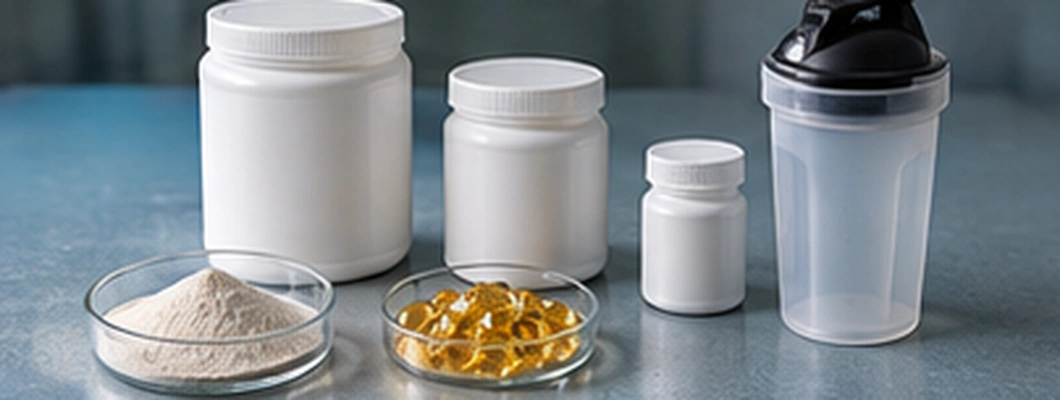
In the 44-study review, contamination showed up most often in pre-workout, weight-loss and muscle-building products. Of 776 spiked supplements the US FDA flagged in 2007-2016, 84.9% of weight-loss products held a weight-loss drug (sibutramine), and 89.1% of muscle products held synthetic steroids or steroid-like drugs.
Can you trust the label?
Only 18 of 44 (41%) matched the stated amount
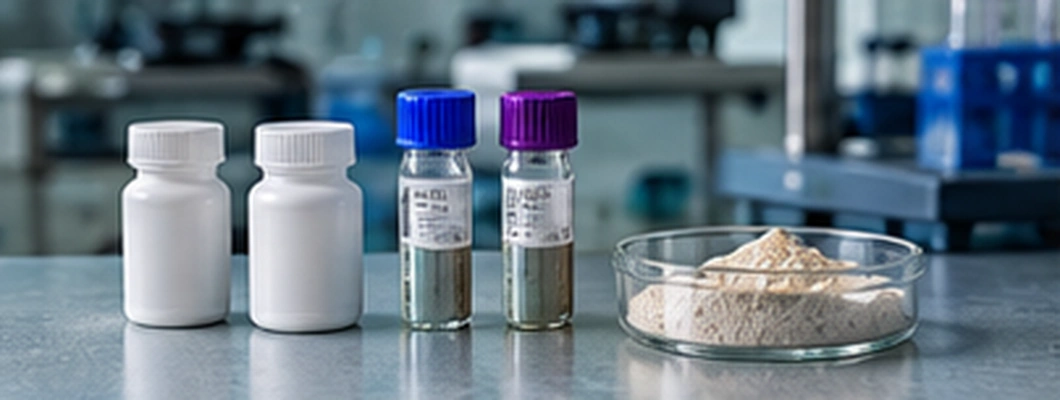
Of 44 products sold online as SARMs (unapproved drugs claimed to build muscle), only 23 (52%) actually contained them. 17 (39%) held other unapproved drugs, and 11 (25%) held substances not on the label. Only 18 (41%) matched the amount on the label.
Sometimes the key ingredient was barely there
Less than 1% of the stated amount
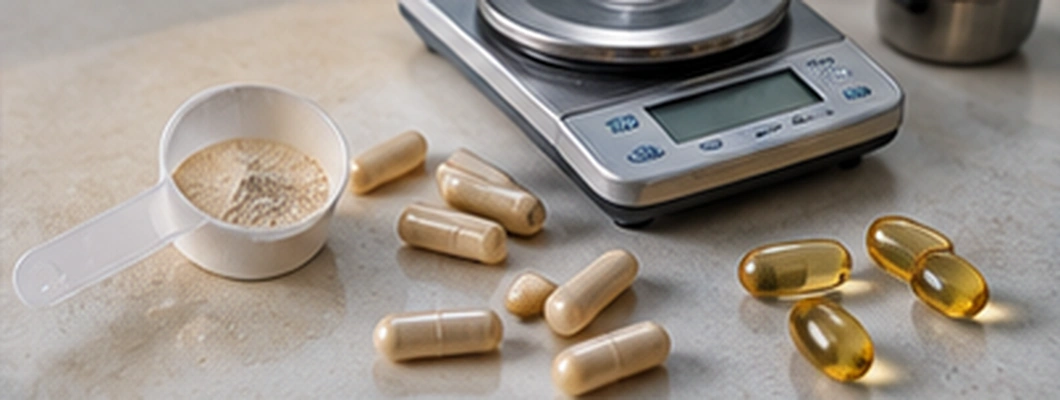
28 people (24 finished) took a plant-based muscle supplement for 12 weeks while training. Testing showed less than 1% of the claimed main ingredient, and muscle and strength gains did not differ from placebo. Among 24 products with a stimulant banned in sport, all 5 that listed an amount were wrong.
Tiny amounts were enough to fail a test
Just over 1 µg meant a positive result for hours
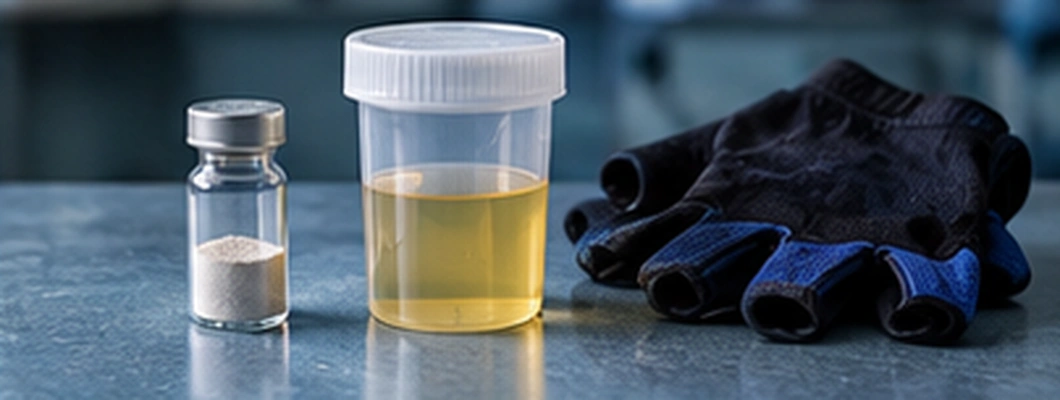
Taking more than 1 µg (one millionth of a gram) of steroid through a spiked supplement caused a positive doping test for several hours. The spiked products held 0.01-190 µg of steroid per gram of supplement.
Bottom line: yes, about 1 in 10
The risk clusters in pre-workout, weight-loss and muscle products
About 9-15% of supplements on the market contained banned or unapproved drugs, and since they were not on the label, there was no way to spot them from the outside. They clustered in pre-workout, weight-loss and muscle products, and even companies that did not sell steroid products had 9.6% positives. Tiny amounts were enough for a positive doping test.
A better body starts with a better question.PHYSIQUE NEWS